


Backflow Device Types for Businesses: RPZ vs. DCVA vs. PVB – Where Each Fits and Why
Backflow sits high on every facility manager’s risk list for a good reason. Contaminated water can move into a building’s clean supply through back-siphonage or backpressure and put guests, staff, and tenants at risk. Strongsville and communities across Northeast Ohio enforce backflow rules and annual testing for commercial sites, multi-tenant properties, restaurants, health care, schools, and many industrial users. The Ohio code recognizes different hazard levels, and the device you install must match that risk. This guide breaks down the three assemblies you see most on commercial jobs, RPZ, DCVA, and PVB, so you can match them to real systems, avoid common mistakes, and stay compliant. Clear examples, local tips, and plain talk give you the confidence to pick, place, and maintain the right protection.
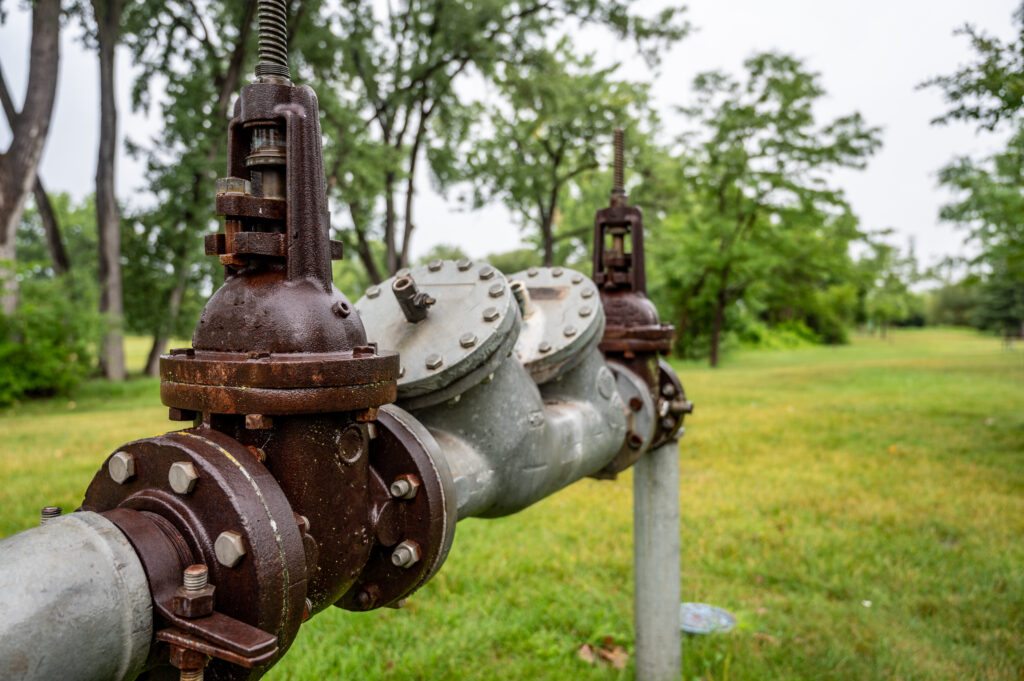
Backflow basics for Strongsville & Northeast Ohio businesses
Backflow happens in two ways. Backsiphonage pulls water backward when pressure on the supply side drops. Backpressure pushes contaminated water back into the potable side when a downstream pump, boiler, or elevation creates higher pressure. Cities in our region require containment of the water service for many sites and isolation of specific equipment inside the building.
Key points:
- Annual testing applies to assemblies like RPZ, DCVA, and PVB.
- Test reports go to the water provider or cross-connection program.
- Hazard level guides device choice: high hazard (health) vs. low hazard (non-health).
- Freeze protection matters here. Devices need heat, insulation, or seasonal shutdown plans.
Ohio Buckeye Plumbing installs and tests backflow devices across retail centers, restaurants, medical clinics, apartments, schools, and light industrial sites every week. Local experience saves time and keeps paperwork clean.
RPZ (Reduced Pressure Principle Assembly): pick for high-hazard protection
What it does
An RPZ uses two check valves with a relief valve between them. That relief valve opens and dumps water to a drain the moment the assembly senses a problem. This design protects against back-siphonage and backpressure for high-hazard conditions.
Where it fits
- Restaurants with dish machines that use chemical injectors
- Boilers and closed loops with chemical treatment
- Medical, dental, and lab equipment connections
- Commercial kitchens with soap or sanitizer systems tied to water
- Carbonated beverage systems (often require specialized backflow units, and many sites add RPZ containment upstream)
- Manufacturing processes with dyes, solvents, or process water
Install rules that avoid headaches
- Place the RPZ indoors or in a heated enclosure; freezing cracks bodies and voids tests.
- Set the assembly at least 12 inches above the floor with full drainage under the relief port. That relief can discharge a lot of water fast.
- Avoid vaults and pits. Standing water can flood the relief, corrode hardware, and fail inspection.
- Leave clearances for test cocks and shutoffs. Your tester needs room for gauges.
- Provide a drain that can handle full relief flow. A small floor drain won’t cut it.
Pros
- Best health protection; handles both backpressure and backsiphonage
- Often required by code for high-hazard sites
Watchouts
- Higher cost than DCVA or PVB
- Needs reliable drainage and freeze protection
- Relief discharge can surprise staff; label the area and train building teams
DCVA (Double Check Valve Assembly): use for low-hazard containment
What it does
A DCVA uses two spring-loaded checks in series. It protects against backpressure and backsiphonage for non-health hazards only. No relief port, so no routine discharge.
Where it fits
- Fire sprinkler systems without chemical additives (many use DCDA, double check detector assemblies, on the service line)
- Commercial water services feeding non-toxic processes
- Closed-loop hydronic systems with no chemical treatment
- Some building services behind dedicated meters where the local authority rates risk as low
Install rules that keep inspectors happy
- Mount horizontally most often; some models allow vertical up-flow, check the listing.
- Indoors, in a mechanical room, or in a vault that stays dry. Flooded pits lead to failures and red tags.
- Provide shutoffs and test cocks with clear access.
- Add a strainer upstream in dirty water conditions to protect the checks.
Pros
- Lower cost and compact footprint
- No relief port water to manage
- Works for many utility containment needs marked low hazard
Watchouts
- Not allowed due to health hazards
- Debris can foul checks; plan regular testing and cleaning
- Vault installs still need drainage and access
PVB (Pressure Vacuum Breaker): isolate irrigation and similar backsiphonage risks
What it does
A PVB stops back-siphonage by admitting air into the line if supply pressure drops. It does not protect against backpressure.
Where it fits
- Landscape irrigation without chemical injection
- Hose bib manifolds serving exterior washdown, where backpressure does not exist
- Limited industrial rinse lines that can never see downstream pumping or elevation-based backpressure
Install rules that matter in our climate
- Set the PVB at least 12 inches above the highest downstream outlet (highest sprinkler head or point of use).
- Keep it upright and unobstructed; test cocks need space.
- Put it in a heated area or use a heated enclosure where frost threatens.
- Drain and winterize irrigation piping and the PVB before deep freezes hit.
Pros
- Budget-friendly and simple
- Perfect fit for many irrigation systems
Watchouts
- No backpressure protection
- Elevation changes, booster pumps, or fertigation push the system out of PVB territory
- Spring thaw often reveals freeze damage on unprotected PVBs
Match risk to device: quick selector for common systems
- Restaurant dish machine with sanitizer → RPZ
- Fire sprinkler without additives → DCDA/DCVA (coordinate with fire authority)
- Fire sprinkler with antifreeze or foam → RPZ/RPDA
- Boiler loop with chemicals → RPZ
- Irrigation without injection → PVB
- Irrigation with injection → RPZ
- Medical vacuum or lab fixtures fed by potable water → RPZ
- Commercial tenant water service rated low hazard by the utility → DCVA
Device choice always follows the highest hazard present. One high-hazard branch often pushes the whole system to RPZ at the containment point.
Common install mistakes in Northeast Ohio (and easy fixes)
- No drain for an RPZ relief
Relief opens, the room floods, and the test fails. Route to a floor receptor or indirect waste sized for full relief flow. - Wrong height on a PVB
Mount below downstream heads and backsiphonage wins. Raise the assembly above the highest outlet. - Outdoor installs with no freeze plan
A hard freeze bursts bodies and test caps. Move devices indoors or add heated enclosures and heat-tape plans. - Buried or flooded vaults
Corrosion and test failures show up fast. Keep vaults dry, add sump pumps, or relocate assemblies. - Wrong device on a chemical system
A DCVA on a treated boiler or a PVB on a pumped line won’t pass. Upgrade to RPZ and document the hazard. - No annual testing
Cities flag missing paperwork. Schedule testing and keep tags and reports current.
Testing, maintenance, and paperwork that keep you compliant
Strongsville and nearby cities expect annual testing by certified technicians. Our testers:
- Verify check differential and relief valve operation with a calibrated gauge
- Repair or rebuild check kits on the spot when parts wear out
- Record model, serial, location, and readings on the approved test form
- Submit results to the water authority and leave a dated tag on the device
Best practices:
- Log every assembly in a simple inventory by room, floor, and purpose.
- Calendar renewal dates 30 days ahead to avoid late notices.
- Stock rebuild kits for critical devices in high-use sites.
- Train maintenance staff on basic visual checks and freeze protection.
Strongsville-specific tips for placements and seasons
- Mechanical rooms near the water entrance make great spots for RPZ and DCVA containment. Floor drains and heat already exist there.
- Strip centers often hide backflow in tenant spaces; label doors and take photos for easy access next year.
- Irrigation PVBs need a spring start-up and a fall shut-down. Add isolation valves and drain ports so winter service takes minutes, not hours.
- Older cast-iron buildings shed scale that can foul checks; upstream strainers save time on retests.
Cost, lifecycle, and smart budgeting
- PVB: lowest price class; plan for rebuilds after freeze seasons or grit exposure.
- DCVA: mid-range cost; long life in clean, dry rooms.
- RPZ: higher initial price; budget for drain work and more frequent service on relief valves.
A quality assembly often serves ten years or more with routine maintenance. Annual testing costs less than emergency outages or fines and protects people as well as property.
Short answers to questions we hear every week
Do I need an RPZ on a standard fire system?
Most basic systems without additives use double checks. Fire officials make the final call.
Can I hide the device in a pit?
Only if the pit stays dry and accessible. Many sites move devices indoors to avoid corrosion and failed tests.
Why did water dump out of my RPZ?
Relief ports open during test or fault. That discharge proves the device protects you. A floor drain must handle the flow.
How high should the PVB sit?
At least 12 inches above the highest downstream outlet in the zone it serves.
Who keeps the test records?
We file with the authority and leave copies for your records. Many cities also send reminders before the next due date.
Need help choosing or testing a device?
Ohio Buckeye Plumbing sizes, installs, insulates, and tests RPZ, DCVA, and PVB assemblies for business sites across Strongsville and the entire Northeast Ohio region. Site walks take minutes and often prevent costly missteps on device choice or placement. Clear reports, clean installs, and fast repairs keep your water safe and your team focused on business.
Ohio Buckeye Plumbing keeps Strongsville & NE Ohio compliant. Call (440) 283-9377 for RPZ/DCVA/PVB installs, tests, and repairs today.