


Rooter and Drain Cleaning Services in Strongsville and Northeast Ohio
Ohio Buckeye Plumbing provides residential and commercial drain and sewer cleaning services throughout Strongsville and all of Northeast Ohio. Our team is licensed by the Ohio Construction Industry Licensing Board (OCILB), carries full general liability and workers’ compensation insurance, and holds an A+ accreditation with the Better Business Bureau. With more than 20 years of service across the region, our licensed plumbers respond 24/7 for drain emergencies and deliver solutions that address the real cause of recurring drain problems rather than just the immediate backup. Read verified reviews on Google, Angi, and HomeAdvisor. Call (440) 283-9377 today.
What Our Rooter and Drain Cleaning Service Covers
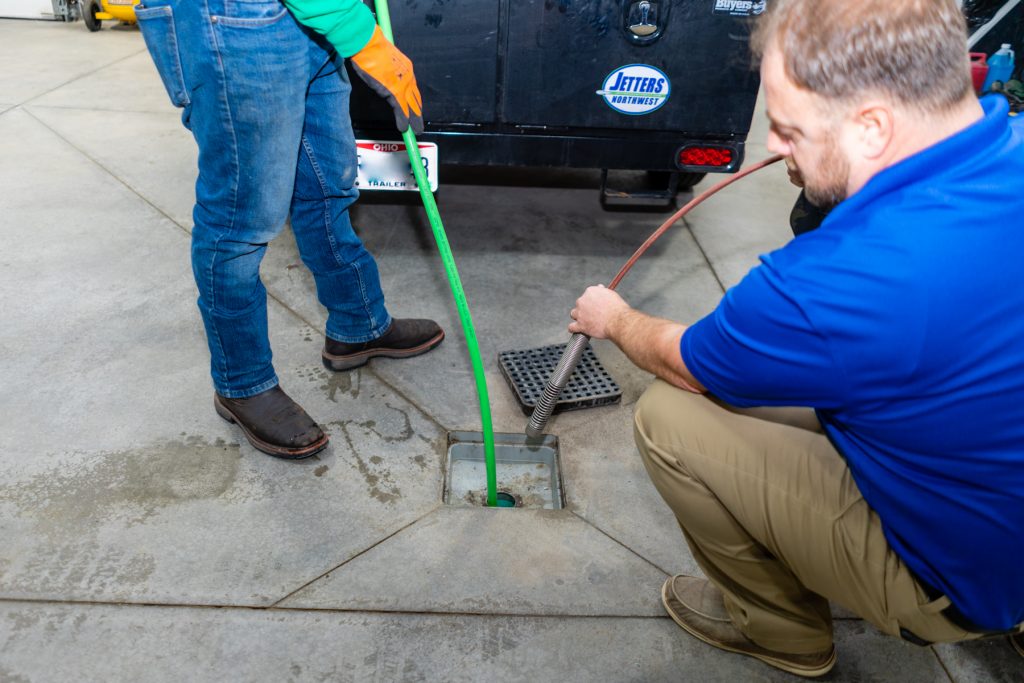
Drain problems in Northeast Ohio homes and businesses range from localized single-fixture clogs to main sewer lateral blockages that affect every fixture in the property. Ohio Buckeye Plumbing’s rooter and drain service covers the full spectrum: cable machine rooter service for straightforward obstructions, high-pressure commercial hydro jetting for pipe wall buildup that cable clearing cannot address, Roots Be Gone foaming treatment for sewer laterals with root intrusion, and video camera sewer inspection when the cause of a recurring problem needs to be confirmed before a repair approach is selected. Every service call begins with a diagnostic assessment so the correct method is applied to each situation.
Work was done on time and with a high degree of professionalism

Our blog on why drains keep clogging after being cleared explains one of the most important diagnostic signals in drain service: a drain that reclogs within days or weeks after clearing has a pipe wall condition (grease coating, scale, or root tissue) that cable clearing does not address. Understanding that distinction is the foundation of drain service that actually solves the problem rather than managing it indefinitely.
Rooter Service vs. Hydro Jetting: Choosing the Right Approach
Ohio Buckeye Plumbing selects the service method based on the type and history of each drain problem, not a one-size default.
- Rooter service is appropriate for: Fresh single-fixture clogs caused by hair, soap buildup, food waste, or a foreign object. Main line blockages without a history of rapid recurrence. Tree root intrusion addressed with mechanical cutting (combined with Roots Be Gone for best results). Standard residential drain maintenance cleaning.
- Hydro jetting is appropriate for: Any drain that reclogs repeatedly within days to weeks of being cleared. Commercial kitchen drain lines with grease wall coating. Older cast iron or clay tile sewer laterals with mineral scale accumulation. Drains with root intrusion where jetting after cutting provides a more thorough root fiber removal. Any commercial drain system with persistent FOG buildup.
When a drain’s history suggests a wall condition rather than a simple obstruction, hydrojetting delivers results that last months rather than days.
Complete Drain and Sewer Cleaning Services We Provide
Kitchen Sink and Garbage Disposal Drain Cleaning
Kitchen drain lines are the most common source of recurring drain calls in Northeast Ohio homes. Grease from cooking and food particles from the disposal enter the drain with hot water, then cool and adhere to the pipe wall. Ohio Buckeye Plumbing clears kitchen drain lines with rooter service for straightforward clogs and hydro jetting for lines with grease wall coating that has built up over years of kitchen use. For all-in-one kitchen plumbing service, our general plumbing service covers disposal repair and replacement alongside drain clearing.
Bathroom Drain Cleaning: Tubs, Showers, and Sinks
Bathroom drain clogs are almost always caused by hair and soap residue accumulation in the P-trap and the pipe section immediately below it. Ohio Buckeye Plumbing clears bathroom drains using professional cable equipment that reaches farther into the line than store-bought tools, removing the full obstruction rather than just loosening enough material for temporary flow improvement.
Main Sewer Line Rooter and Cleaning
The main sewer lateral carries all wastewater from the home to the public sewer connection. A blockage in the main line affects every fixture simultaneously. Ohio Buckeye Plumbing’s main line rooter service uses professional cable equipment sized for 4-inch to 6-inch sewer laterals, combined with video camera inspection when the cause of the blockage needs to be confirmed before recommending a repair approach. For laterals with recurring problems, main line hydro jetting restores the full pipe diameter where cable clearing only creates a channel through the obstruction.
Floor Drain and Basement Drain Cleaning
Basement floor drains are the lowest point in the home drain system and the first place to show symptoms when the main sewer lateral restricts flow. A floor drain that emits sewage odor, gurgles when upper-level fixtures drain, or backs up during rain events is signaling a main line issue that goes beyond the floor drain itself. Our blog on why sewers back up when it rains in Ohio covers rain-related sewer backup causes and what each requires in terms of service.
Laundry and Utility Drain Service
Washing machine standpipes and laundry area drains accumulate lint, detergent residue, and fabric particles that create blockages in the standpipe or the horizontal drain line. Ohio Buckeye Plumbing clears laundry and utility drains with the same professional equipment used for kitchen and bathroom drain service, and identifies whether the issue is in the standpipe, the branch drain, or the main lateral.
Roots Be Gone Foaming Treatment for Sewer Line Root Intrusion
Ohio Buckeye Plumbing’s Roots Be Gone treatment is a foaming herbicide applied through a toilet or cleanout access point. The foam expands inside the sewer lateral to contact all pipe surfaces at the application location, killing root tissue at the point of entry and inhibiting regrowth for approximately 12 months. Roots Be Gone is most effective when applied after mechanical root cutting has cleared the active root mass from the pipe. For Northeast Ohio homes with clay tile or older cast iron laterals where root intrusion is documented, annual Roots Be Gone treatment combined with rooter service provides significantly longer-lasting results than mechanical cutting alone.
Video Camera Sewer Inspection as Part of Drain Diagnosis
Ohio Buckeye Plumbing uses video camera sewer inspection as a diagnostic tool when the cause of a recurring drain problem is not clear from symptoms alone, or when a homeowner wants confirmation of lateral condition before a major repair is planned. Camera inspection identifies root intrusion, pipe belly, joint separation, pipe material condition, and structural damage that would not be visible without camera access. Every camera inspection includes footage shared with the homeowner so the repair decision is based on what the camera actually shows, not an assumption about what might be inside the pipe.
Common Drain Problems in Northeast Ohio Homes and What Causes Them
Northeast Ohio’s housing stock, its clay-heavy soils, its intense winter freeze-thaw cycling, and its aging sewer infrastructure in many communities create a predictable set of recurring drain patterns. The Medina County Sanitary Engineers and local municipal sewer departments across the region have documented significant inflow and infiltration challenges in older sewer collection systems throughout the area. Understanding these regional factors helps Ohio Buckeye Plumbing diagnose each situation in the context of what is actually happening in the ground beneath Northeast Ohio homes.
- Clay tile sewer lateral joint deterioration: The most common sewer issue in homes built before 1975. Mortar-sealed clay tile joints deteriorate over decades, allowing root entry and groundwater infiltration through the same gaps.
- Groundwater mineral scale in drain lines: Homes in communities with groundwater-based water supplies (Hudson, Medina, parts of Summit County) see faster scale accumulation inside cast iron drain lines than communities served by Lake Erie surface water.
- Galvanized steel supply lines: Homes built before approximately 1960 may still have original galvanized steel supply lines that corrode internally, which is sometimes misdiagnosed as a drain problem when the actual issue is supply line restriction creating inadequate flow pressure.
- Rain-triggered sewer backups: Northeast Ohio communities with combined sewer systems, plus homes with illicit downspout connections or cracked laterals, are prone to sewer backup during heavy rain events. Summer 2026 is forecasted to bring above-normal rainfall to the region.
Warning Signs That Signal a Drain or Sewer Issue
- Water drains slowly from kitchen sink, bathroom fixtures, or laundry drain
- Multiple drains run slowly or back up at the same time
- Gurgling sounds from floor drains or toilets when other fixtures drain
- Sewage or rotten-egg odors from floor drains, particularly in the basement
- Water backing up from basement floor drain during or after heavy rain
- Toilet gurgles or bubbles when flushed
- Wet spots in the yard above the sewer lateral route without obvious cause
- Same drain requires service every few weeks despite repeated clearing
Our Drain and Sewer Service Process
- Diagnostic assessment: Our licensed plumber identifies the affected fixtures, reviews the drain history, and determines the most likely cause and location of the restriction.
- Method selection: Based on the assessment, we select rooter service, hydro jetting, Roots Be Gone treatment, or camera inspection, and explain the recommendation before work begins.
- Upfront pricing: Complete pricing for recommended work is presented before any work starts.
- Professional service: All work is completed by our licensed technicians with professional equipment.
- Post-service verification: Flow is tested after service and, where camera was used, post-cleaning footage confirms the drain is clear.
- Satisfaction guarantee: Every job is backed by our 100% satisfaction guarantee.
Why Northeast Ohio Homeowners Choose Ohio Buckeye Plumbing for Drain Service
Verified reviews on Google, Angi, and HomeAdvisor
| What We Offer | What It Means for You |
| Fully Insured: General Liability + Workers Compensation | Zero liability on your property if anything goes wrong on site |
| BBB Accredited, A+ Rating | Third-party verified track record of customer satisfaction |
| 24/7 Emergency Service | We respond when it matters most, any hour, any day |
| 20+ Years Serving Northeast Ohio and Northeast Ohio | Deep local knowledge and a proven community reputation |
| Family-Owned Local Business | You are treated like a neighbor, not a service ticket |
| Upfront Pricing Before Work Begins | No surprises on your invoice when the job is complete |
| Fully Stocked Service Trucks | Most jobs completed in a single visit, minimizing your downtime |
| 100% Satisfaction Guarantee | We stand behind every repair and service we perform |
FAQs About Rooter and Drain Cleaning in Northeast Ohio
What is professional rooter service and how does it differ from DIY drain clearing?
Professional rooter service uses commercial-grade cable machines, high-pressure water equipment, and video camera diagnostics that are not available in consumer drain products. A cable snake from a hardware store can sometimes clear a fresh kitchen clog, but it cannot cut through tree root masses, clear grease wall coating from aging cast iron lines, or identify a pipe belly that will cause the drain to clog again within days. Ohio Buckeye Plumbing’s licensed plumbers assess the drain condition before selecting the appropriate service method, ensuring the actual cause of the problem is addressed rather than just the immediate symptom.
What is the difference between rooter service and hydro jetting?
Rooter service uses a rotating cable machine to cut through or push a blockage through the drain, restoring immediate flow. It is effective for fresh obstructions like hair clogs, accumulated soap residue, and small root masses. Hydro jetting uses water delivered at high pressure to scour the full interior walls of the pipe, removing grease coating, mineral scale, and biofilm that rooter service leaves in place. For drains that clog repeatedly within days or weeks of being cleared, hydro jetting addresses the pipe wall condition that rooter clearing cannot reach. Ohio Buckeye Plumbing evaluates which method is appropriate based on the drain history and access conditions.
Does Ohio Buckeye Plumbing offer 24/7 emergency drain cleaning service in Northeast Ohio?
Yes. Ohio Buckeye Plumbing provides 24/7 emergency drain and sewer cleaning throughout Strongsville and all of Northeast Ohio. Sewer backups, basement drain overflows, and main line blockages do not follow business hours. Our licensed technicians are dispatched at any hour with the equipment to diagnose and clear the issue on-site. Call (440) 283-9377 for emergency drain service any time of day or night.
What causes a kitchen sink drain to keep clogging?
Recurring kitchen sink drain clogs are almost always caused by grease and food waste accumulation on the interior walls of the drain pipe, not by a single obstruction. Hot dishwater carries cooking fats and oils into the drain line. As the water cools inside the pipe, the fats adhere to the pipe wall and solidify. Each layer of adhesion catches more food particles and grease from subsequent wash cycles. Standard snaking clears the point of obstruction but leaves the grease wall coating in place, which is why the clog returns quickly. Ohio Buckeye Plumbing uses hydro jetting for kitchen drain lines with recurring problems to remove the wall coating and restore lasting clear flow.
Can rooter service clear tree roots from a residential sewer lateral?
Yes. Professional rooter service using a cable cutter head is effective at mechanically cutting through root masses that have entered a sewer lateral through joint gaps or pipe cracks. However, mechanical root cutting alone leaves root tissue in the pipe that regrows, typically requiring service again within 6 to 12 months. Ohio Buckeye Plumbing combines rooter service for root intrusion with our Roots Be Gone foaming herbicide treatment, which kills the root tissue at the entry point and significantly slows regrowth. For laterals with structural damage from root intrusion, camera inspection confirms whether the pipe needs repair beyond root removal.
How do I know if my main sewer line is blocked versus just one drain?
A single slow or blocked drain typically indicates a localized obstruction in the branch line serving that fixture. When multiple drains throughout the home run slowly or back up simultaneously, particularly when the slowdowns appear in lower-level fixtures like basement floor drains after upper-level fixtures are used, the problem is almost certainly in the main sewer lateral. Gurgling sounds from floor drains while a toilet flushes or a washing machine drains are also a strong indicator that the main line is restricted. Ohio Buckeye Plumbing uses video camera sewer inspection to confirm main line condition before recommending a repair approach.
What is the Roots Be Gone treatment and when is it used?
Roots Be Gone is a foaming herbicide applied through a toilet or cleanout access point that expands inside the sewer lateral to contact all pipe surfaces at the application location. The foam kills active root tissue inside the pipe, preventing regrowth through the existing entry points for approximately 12 months per treatment. It is used for residential sewer laterals with confirmed root intrusion, particularly in Northeast Ohio homes with clay tile or older cast iron sewer pipe where root entry through deteriorating joints is a documented recurring problem. Roots Be Gone is most effective when combined with mechanical root cutting to clear the active root mass before the foam treatment is applied.
What causes bathroom drains, including bathtubs and showers, to slow down or back up?
Bathroom drain clogs are almost universally caused by the accumulation of hair and soap residue inside the drain pipe. Hair enters the drain line with shower and tub use and binds together in the P-trap or the pipe just below it, creating an obstruction that catches more hair and soap scum over time. Over months and years, this buildup extends farther into the drain line beyond what a homeowner can reach with a plunger or store-bought snake. Professional rooter service clears the full obstruction from the drain line and restores normal flow. Installing a hair catcher over the shower and tub drain openings significantly slows the rate of future buildup.
Can regular drain cleaning help prevent sewer backup during heavy rain in Northeast Ohio?
Yes. A clear, structurally sound sewer lateral manages the increased flow demand during rain events better than a lateral with root intrusion, pipe belly, or grease restriction. Ohio’s above-normal rainfall for summer 2026, combined with Northeast Ohio’s aging combined sewer infrastructure in many communities, means that sewer laterals with any restriction or defect are more likely to back up during heavy rain. A camera inspection and Roots Be Gone treatment for laterals with root history, and hydro jetting for laterals with grease buildup, reduces rain-triggered backup risk. Our blog on why sewers back up when it rains in Ohio explains the full mechanism behind rain-related backups.
Are chemical drain cleaners safe to use in residential pipes?
Liquid chemical drain cleaners (lye-based and acid-based products) can be effective for fresh hair clogs and light soap residue in plastic P-traps, but they should not be used in older cast iron or galvanized steel drain pipes because the chemicals can accelerate corrosion. They are largely ineffective against grease wall coating, tree root intrusion, and pipe belly conditions. Using multiple chemical treatments on a persistent clog without professional diagnosis risks damaging the pipe. If a drain is slow despite one or two standard plunging attempts, professional drain service is more effective and safer for the pipe than repeated chemical treatments.
Does Ohio Buckeye Plumbing use video camera inspection for drain service?
Yes. Ohio Buckeye Plumbing uses video camera sewer inspection for drain and sewer service when the cause of a recurring problem is not clear from the symptoms, or when a homeowner wants confirmation of lateral condition before or after a major repair. Camera inspection shows the interior of the lateral in real time, identifying root intrusion, pipe belly, joint separation, mineral scale, and structural damage. Camera inspection findings are shared with the homeowner before any repair work is recommended, so every decision is based on what the camera actually shows.
What drain problems are most common in older Northeast Ohio homes?
Older homes in Northeast Ohio, particularly those built before 1970 with original clay tile sewer laterals and cast iron drain lines, face a predictable set of plumbing challenges. Clay tile sewer laterals develop joint deterioration that allows tree root entry and groundwater infiltration. Cast iron drain lines inside the home accumulate mineral scale and rust that narrows the effective interior diameter over decades of use. Galvanized steel supply lines corrode internally, causing low water pressure that homeowners may assume is a drain problem when it is actually a supply issue. Ohio Buckeye Plumbing’s licensed plumbers are experienced with these Northeast Ohio-specific conditions and provide accurate diagnosis for each situation.
How often should a homeowner have their drains professionally cleaned?
For most Northeast Ohio homes, an annual professional drain inspection and preventive cleaning is a practical maintenance step, particularly for homes with older clay tile sewer laterals, mature trees near the lateral route, or a history of root intrusion. Kitchen drains and bathroom drains in high-use households benefit from professional cleaning every 1 to 2 years. Homes that have already experienced a main line backup or have been diagnosed with root intrusion in the lateral benefit from more frequent rooter service or Roots Be Gone treatment to stay ahead of regrowth.
Can Ohio Buckeye Plumbing clear a clogged garbage disposal drain line?
Yes. Garbage disposal drain lines are one of the most common drain service calls in residential kitchens. The disposal grinds food waste into small particles that travel into the drain line with water, but fats, starches, and fibrous food particles from the disposal still accumulate inside the pipe over time. Ohio Buckeye Plumbing clears garbage disposal drain lines using professional cable equipment for standard clogs and hydro jetting for drain lines with significant grease coating from years of disposal use. If the disposal itself is making unusual sounds or failing to operate correctly, our general plumbing service covers disposal repair and replacement.
What causes laundry drain and utility sink backup in Northeast Ohio homes?
Washing machine drain backups occur when lint, detergent residue, and fabric fibers accumulate inside the standpipe or the horizontal drain line connecting the laundry area to the main drain system. Over time, these materials combine with any grease or organic debris in the line to create a restriction that can cause water to overflow from the standpipe during the spin cycle. Laundry drain issues are commonly misdiagnosed as a washing machine malfunction when the actual problem is in the drain line. Ohio Buckeye Plumbing clears laundry and utility drain lines throughout Northeast Ohio with the same equipment and approach used for kitchen and bathroom drain service.
How do I know if my slow drain needs rooter service or full sewer line replacement?
Rooter service, hydro jetting, and Roots Be Gone treatment address functional issues: blockages, root masses, and pipe wall buildup that restrict flow. Sewer line repair or replacement is needed when the pipe itself has structural failure: a collapsed section, severe pipe belly that cannot be corrected by cleaning, significant joint separation allowing ongoing groundwater infiltration, or structural root damage that has compromised pipe integrity. The only way to distinguish between a functional issue and a structural issue in an underground lateral is a video camera inspection. Ohio Buckeye Plumbing presents camera footage to the homeowner before recommending any repair approach.
What are the most common signs that a basement floor drain is about to back up?
Early warning signs include: a faint sewage odor near the basement floor drain even when no backup has occurred, the floor drain emptying more slowly than usual after water enters it, gurgling sounds from the floor drain when an upper-level fixture (toilet, washing machine, or tub) drains, and a water ring forming around the floor drain after a heavy rain event. These signs indicate that the main sewer lateral is restricting flow, and the floor drain is the lowest backup point in the system. Addressing these warning signs with a camera inspection and rooter service prevents the full basement backup that causes water damage and sanitation concerns.
How does Northeast Ohio’s clay-heavy soil affect residential sewer laterals?
Northeast Ohio’s clay-heavy soils expand when wet and contract when dry, and experience intense freeze-thaw cycling each winter. This soil movement cycles stresses buried sewer lateral joints throughout the year. For clay tile sewer laterals installed in the 1950s through 1970s with mortar-sealed joints, repeated soil movement causes mortar deterioration and joint gaps that allow tree root entry and groundwater infiltration. Ohio Buckeye Plumbing has documented this pattern in sewer laterals throughout the region and provides camera inspection and targeted repair solutions for homeowners in affected areas.
Can tree roots grow back after professional rooter service?
Yes. Mechanical root cutting removes the root mass inside the pipe but does not kill the root system growing outside it. Root tissue remaining at the point of entry will regrow into the pipe, typically within 6 to 18 months depending on the tree species, season, and soil moisture conditions. This is why Ohio Buckeye Plumbing applies Roots Be Gone foaming herbicide treatment after root cutting for laterals with confirmed root history. The foam kills the root tissue at the entry point and inhibits regrowth for approximately 12 months, significantly extending the service interval before the roots return to a level that causes functional problems.
What is the most effective way to prevent kitchen drain clogs in Northeast Ohio homes?
The most effective behavioral steps are scraping plates thoroughly before washing to remove food solids before they enter the drain, avoiding pouring cooking oils and fats directly into the kitchen sink, and running hot water for 30 seconds after each use of a garbage disposal to flush food particles through the line. Enzymatic drain treatments used monthly can help slow grease buildup in kitchen drain lines. Despite good habits, Northeast Ohio homes with older cast iron kitchen drain lines typically still benefit from professional hydro jetting every 2 to 3 years to remove the grease coating that accumulates regardless of how carefully the drain is managed.
How does groundwater and hard water affect residential drain pipes in Northeast Ohio?
Northeast Ohio communities with groundwater-based water supplies, including Hudson, Medina, and parts of Summit County, have water with naturally higher mineral content even after city treatment. Mineral deposits (calcium and magnesium) accumulate on the interior walls of drain pipes over years of use, contributing to scale buildup that narrows the effective pipe diameter and provides a rough surface that catches grease and debris. This scale accumulation is visible during camera inspection as a whitish-gray coating inside older drain lines and is effectively removed by hydro jetting.
What happens if a slow drain is ignored and not professionally treated?
A slow drain that is not treated typically progresses from slow to fully blocked over a period of weeks to months, depending on the type of buildup and the volume of daily use. A kitchen drain with grease wall coating will continue narrowing until the effective interior diameter is too small to handle peak dishwashing loads and begins overflowing. A sewer lateral with early root intrusion will continue growing a denser root mass until the lateral is fully blocked and causes a basement backup. Early treatment at the slow-drain stage is significantly less disruptive and less expensive than emergency service after a full backup occurs.
How long does a professional drain cleaning service typically take?
A standard single-fixture drain clearing (kitchen sink, bathroom drain, or floor drain) typically takes 30 minutes to 1 hour. A main sewer lateral rooter service or Roots Be Gone treatment visit typically takes 1 to 2 hours including setup, service, and cleanup. If video camera inspection is combined with the rooter service, add 30 to 60 minutes for the camera assessment. Ohio Buckeye Plumbing provides an appointment window and a time estimate at scheduling so homeowners can plan their day accordingly.
Does Ohio Buckeye Plumbing handle both residential and commercial drain service?
Yes. Ohio Buckeye Plumbing provides residential rooter and drain service for homeowners and commercial drain cleaning and hydro jetting for businesses throughout Northeast Ohio. Residential drain service covers kitchen sinks, bathroom drains, main sewer laterals, floor drains, and laundry drains. Commercial service covers restaurant floor drains, commercial kitchen branch lines, main sewer laterals for commercial buildings, grease trap coordination, and the scheduled commercial drain maintenance programs that prevent emergency disruptions. For commercial properties requiring high-pressure hydrojetting, our dedicated commercial hydro-jet service covers all commercial drain applications.
What cities and communities in Northeast Ohio does Ohio Buckeye Plumbing serve for drain service?
Ohio Buckeye Plumbing provides residential and commercial rooter and drain service throughout Northeast Ohio including Strongsville, Brunswick, Medina, Akron, Cleveland, Westlake, North Olmsted, Fairview Park, Avon, Berea, Hudson, Rocky River, Wadsworth, Hinckley, Olmsted Falls, North Royalton, and all surrounding communities throughout Cuyahoga, Medina, Summit, and Lorain counties. We schedule service throughout our service area with same-day availability for emergencies.
What are the signs that multiple drains are slow because of a main line issue?
The key diagnostic sign is that multiple fixtures slow or back up simultaneously, particularly when the slowdowns appear in lower-level fixtures (basement drains and first-floor bathrooms) when upper-level fixtures are used. If flushing an upstairs toilet makes the basement floor drain gurgle, or if the washing machine draining causes water to rise in a basement sink, the main sewer lateral is the restriction. A single slow drain that responds independently of other fixtures in the home typically indicates a local obstruction in the branch line for that fixture only. Ohio Buckeye Plumbing diagnoses both patterns and applies the appropriate service method for each.
How does Ohio Buckeye Plumbing approach a sewer lateral confirmed to have tree root intrusion?
For a lateral with confirmed root intrusion, Ohio Buckeye Plumbing begins with mechanical root cutting to clear the active root mass and restore flow. This is followed by hydro jetting to flush the debris and scour root tissue from the pipe walls. Roots Be Gone foaming herbicide treatment is then applied, targeting the root entry points to kill remaining tissue and inhibit regrowth. A final camera inspection confirms the pipe interior is clear and assesses the structural condition of the pipe at the root entry points to determine whether the pipe also needs repair. For laterals with significant structural damage from root intrusion, trenchless pipe lining or excavation and replacement may also be recommended.
Can a drain snake fix the same problem as professional hydro jetting?
A cable snake resolves the immediate blockage by creating a channel through the obstruction. It does not contact the pipe walls and cannot remove grease coating, mineral scale, or biofilm from the interior surfaces. Hydro jetting scours the pipe walls under high water pressure, removing all accumulated material and restoring near-original pipe diameter. The practical difference appears in the service interval: a drain cleared by snaking typically reclogs within days to weeks, while the same drain after hydrojetting typically stays clear for months. For drains with a persistent recurring problem that returns quickly after snaking, hydro jetting is the appropriate next step.
What should homeowners do before calling for professional drain cleaning service?
Stop using the affected fixture or fixtures to prevent overflow and potential water damage. For a main line backup, stop using all fixtures in the home including toilets, sinks, and the washing machine. If only one fixture is affected, simply avoid using that fixture until the service visit. Do not pour chemical drain cleaners into a completely blocked drain before a professional visit, as this can make the service more difficult and creates a chemical exposure risk for the technician. Note the pattern of the slowdown, which fixtures are affected, and whether it correlates with recent rain events, since this information helps the plumber diagnose the cause faster.
How do I schedule rooter and drain cleaning service with Ohio Buckeye Plumbing?
Call Ohio Buckeye Plumbing at (440) 283-9377 or submit a request online at ohiobuckeyeplumbing.com. We are available 24/7 for drain emergencies and schedule non-emergency service appointments typically within 1 to 2 business days throughout Northeast Ohio. Every service call begins with a diagnostic assessment and upfront pricing before any work begins. We are licensed through the Ohio Construction Industry Licensing Board, fully insured, and BBB-accredited with an A+ rating. For commercial drain service, we schedule around your operating hours to minimize disruption.
Rooter and Drain Service Areas in Northeast Ohio
Ohio Buckeye Plumbing provides residential and commercial drain cleaning throughout:
- Strongsville, OH
- Brunswick, OH
- Medina, OH
- Akron, OH
- Westlake, OH
- Fairview Park, OH
- North Olmsted, OH
- Berea, OH
- Hinckley, OH
- Hudson, OH
- Rocky River, OH
- Olmsted Falls, OH
- Wadsworth, OH
- North Royalton, OH
- Cleveland, OH
We also serve all communities throughout Cuyahoga, Medina, Summit, and Lorain counties.
Schedule Rooter and Drain Cleaning Service in Northeast Ohio