


Basement Floor Drain Backs Up After Rain: Mainline Bellies, Roots, and Relief Valve Options
A hard rain hits Strongsville. The basement smells musty, the floor drain gurgles, and dirty water creeps across the slab. That scene rattles any homeowner. Storms push a lot of water through older sewers across Northeast Ohio. Any weak point in the main line shows up fast: a sag that holds sludge, roots that choke flow, or a city main that surcharges and sends water the wrong way. You don’t need guesswork. You need a simple plan that finds the cause and puts in a fix that lasts. This guide breaks down why basements back up after rain, how to spot mainline bellies and root intrusions, and which relief valve option fits your house and budget.
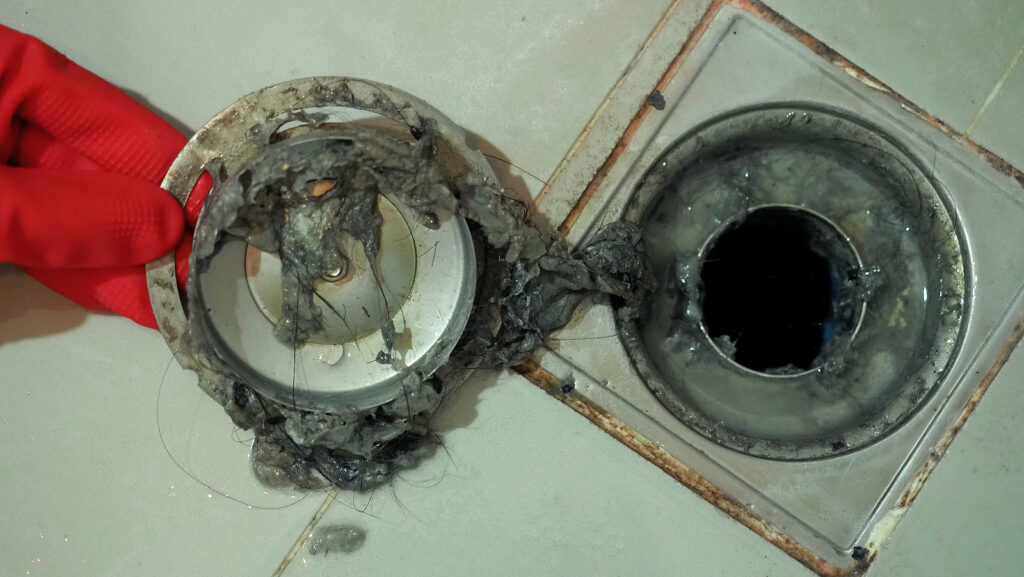
Why rain triggers a basement backup
Heavy rain loads the sanitary system from several angles. Roof leaders or yard drains sometimes still tie into sanitary lines on older homes. Groundwater enters through cracked joints. The city main can surge and raise pressure in every connected lateral. Your basement sits at the lowest point, so the floor drain becomes the first relief point.
Common rain-related triggers in Northeast Ohio:
- Restricted house lateral: Scale, grease, wipes, and paper hang up in rough pipe walls. Flow slows, pressure rises, and the floor drain becomes a fountain.
- Mainline belly: A section of pipe lost grade and holds water. Debris collects in that low spot. A heavy storm turns that puddle into a dam.
- Tree roots: Fine roots slip through clay or cast-iron joints and weave a net that catches everything.
- City surcharge: The public main runs full during downpours. Water seeks the low point in your home and pushes back through the floor drain.
- Cross-connections: Downspouts, driveway drains, or footer drains still tied to sanitary overwhelm the system.
A camera inspection settles the cause in minutes. Clear video shows standing water over a belly, wispy roots, cracked joints, or a clean line with city surcharge. Ohio Buckeye Plumbing runs that inspection first on every rain-backup call.
Mainline bellies: what they are and why they cause repeat clogs
A “belly” is a sag in the building drain or lateral where the pipe no longer pitches toward the street. Water sits in that dip all day. Paper and grease settle, then harden. Light use might limp along, but rain load turns the belly into a plug.
How bellies start
- Soil settlement after a repair or addition
- Poor bedding during an old install
- Heavy vehicle loads across a shallow lateral
- Freeze-thaw cycles that heave or drop sections
How to spot one
- Frequent clogs after big water events
- Camera view shows the lens sliding under water for a section, then emerging
- Depth marks on the pushrod confirm a repeatable low spot
Fixes that work
- Excavate and replace the sagging section with proper bedding and pitch
- Pipe bursting helps on long runs with many defects, but a pure belly needs correction of grade, not just a new liner inside the same sag
- Trenchless lining seals cracks and roots well, but it cannot “lift” a belly; use only when the belly is minor and short
- Maintenance plan (jetting every 12–24 months) buys time if a rebuild must wait
A real belly invites the next clog. Permanent correction restores pitch and ends the cycle.
Roots in clay or cast iron: fast growth, faster blockages
Strongsville’s mature trees look great and love old clay tile. Roots follow nutrients and moisture. Each joint offers a hairline gap. Tiny fibers enter, grow, and weave a mat. Paper snags, then the mat becomes a plug.
Telltale signs
- Slow drains across the whole house, not just one fixture
- Gurgles after a toilet flush
- Camera shows white, stringy growth waving in the flow
Right way to handle roots
- Mechanical cutting with a root saw or Maxi Miller head to open the pipe fully
- Hydro-jetting to scour the wall after cutting
- Foaming root control on a schedule prevents regrowth at joints
- Long-term rehab: lining or pipe bursting to seal joints and keep roots out for good
Copper sulfate down a fixture does little and can harm downstream systems. A clean cut, a full scour, and a sealed joint stop the cycle.
Relief valve options that keep basements dry
Backflow protection comes in several levels. The right pick depends on how often the city surcharges, where fixtures sit, and how your home uses the basement plumbing.
1) Mainline backwater valve (full-port)
What it does
A normally open valve sits in the building drain near the exit point. Flow to the street runs free on normal days. During a surcharge, the flap lifts and seals to block reverse flow from the city main.
Best fit
- Homes that face city surcharging during storms
- Basements with low floor drains or showers that sit below street level
- Properties with cleanout access near the foundation wall
Pros
- Automatic protection during storms
- Minimal pressure drop in daily use (choose a full-port model)
- Clear access lid for inspection
Trade-offs
- Fixtures below the valve cannot drain while the valve is closed; family members must avoid long showers, laundry, or dish runs during the surge
- Debris can jam a neglected valve; annual service keeps it reliable
Ohio Buckeye Plumbing installs an access box, tests the seal, and sets a maintenance reminder so the valve stays ready.
2) Branch-line backwater valve
What it does
A valve protects only the basement branch that feeds the floor drain, laundry, or bath. Upper floors bypass the valve and keep operating during an event.
Best fit
- Homes with daily basement use that still want protection
- Layouts that allow a branch valve on the basement line before it joins the main
Pros
- Protection where you need it
- Family can still use upstairs baths during a storm
Trade-offs
- More layout planning
- Extra cleanouts for service
3) Floor drain backflow preventer (plug or pop-up type)
What it does
A one-way device drops into the floor drain body. A float ball or spring disc seals the opening when water tries to come back.
Best fit
- Quick protection for light backups
- Rental properties or finished basements that need a stopgap today
Pros
- Fast and low cost
- No major piping changes
Trade-offs
- Limited flow capacity
- Debris can keep it from sealing
- Not a match for heavy surcharging
Treat this as a seatbelt, not a roll cage.
4) Overhead sewer conversion with ejector pump
What it does
Basement fixtures discharge into a sealed basin. A grinder or sewage ejector pump lifts waste up to a new overhead sewer line that exits above the surcharge level.
Best fit
- Homes with chronic city surcharging
- Finished basements that cannot risk any backflow
Pros
- Strongest protection against city main events
- Normal use continues during storms
Trade-offs
- Higher project cost
- Requires power, alarms, and pump maintenance
Many older Strongsville homes see the best long-term peace of mind from this route.
What to do during an active backup
- Stop all water use in the house. Toilets, showers, washers, and dishwashers add to the flood.
- Keep family and pets out of the water. Sewage exposes everyone to health risks.
- Check the sump pump and discharge. The pump should run and push water outside, at least 6–10 feet from the foundation.
- Remove valuables from the floor and move them to dry ground.
- Call Ohio Buckeye Plumbing for camera work and relief options. Technicians arrive with jetters, cutters, valves, and cleanup guidance.
Sanitize the area after service. A bleach solution or professional disinfectant ends lingering odors and bacteria.
Maintenance that prevents the next storm surprise
- Annual camera check on older clay or cast-iron laterals
- Jetting every 12–24 months where grease and scale collect
- Root treatment on a schedule if trees stand over the lateral
- Backwater valve service once a year: clean, test flap, verify seal
- Downspout fixes: extend leaders 6–10 feet, keep gutters clear
- Yard grading: slope soil away from the foundation
- Legal storm routing: remove any downspout or yard drain tied to sanitary
Small habits help too. Toss wipes in the trash, not the toilet. Cool grease in a can. Run plenty of water after using a disposal.
Costs and timelines: what drives the number
Every house differs, but these ranges help plan:
- Camera and locate: quick visit with a clear digital report
- Jetting and root cutting: often same-day relief
- Backwater valve install: half-day to a day with concrete patch and access box
- Spot repair for a belly: excavation time depends on depth and location
- Overhead sewer: multi-day project with permits and finish work
Scope depends on depth, length, landscaping, driveway or patio cuts, and local permit needs. Ohio Buckeye Plumbing prices projects up front and keeps you in the loop.
Why this hits Northeast Ohio so often
Our area mixes older clay laterals, mature trees, lake-effect rain, and freeze-thaw cycles. Clay joints open over time, roots move in, and soil shifts. Many streets still see combined sewer surges during storms. Those factors make backflow protection and honest pipe rehab more than upgrades; they act like insurance for your basement.
A simple action plan for a dry basement
- Schedule a camera inspection. Get proof of the exact cause.
- Clear the line correctly. Cut roots, jet scale, and flush the wall arm.
- Choose protection. Pick a mainline or branch backwater valve, or go overhead sewer for chronic surges.
- Fix the root cause. Replace a true belly or seal joints with lining or bursting.
- Set maintenance reminders. Service valves and re-inspect before storm season.
Ohio Buckeye Plumbing handles each step across Strongsville and the entire Northeast Ohio region. You get clear video, straight talk, and work that holds up through the next thunderstorm.
Stop rain backups. Call Ohio Buckeye Plumbing at (440) 283-9377 for jetting, repairs, and backwater valves in Strongsville & NE Ohio.