


How Concrete Slab Shifts Create New Low Spots That Trigger Repeated Sewer Backups
A stable sewer line plays a big role in how smoothly a commercial or residential property runs. When waste and water move freely out of the building, everything stays predictable. But many property owners across Strongsville and Northeast Ohio deal with a repeating problem that feels impossible to fix. Sewers back up, drains slow down, and restrooms clog even after cleaning or cabling. The issue often returns a few weeks later, sometimes even faster.
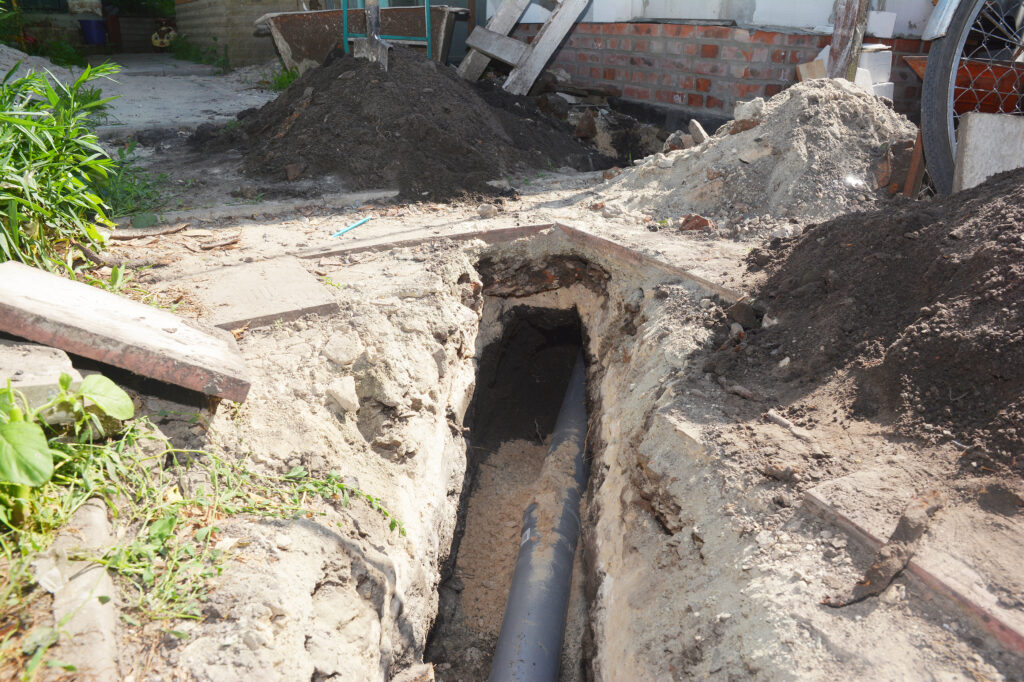
In many of these cases, the cause hides under the concrete. As the slab shifts, sinks, or settles, it can create new low spots in the sewer line. These low spots trap water, grease, paper, and solids inside the pipe. Once enough material gathers, the pipe blocks again, and a backup follows. The symptoms show up inside the building, but the real failure point sits beneath the floor.
Understanding how slab movement affects sewer lines makes a big difference. Property owners and facility managers can spot early warning signs, protect the building, and avoid nonstop service calls. Ohio Buckeye Plumbing sees this problem often across Strongsville and the rest of Northeast Ohio, especially in older buildings, commercial kitchens, and properties with clay or cast iron sewer lines.
This guide lays out why slab shifts create low spots, how these low spots become recurring backups, and what steps actually solve the problem.
Slab Movement Happens Slowly, but the Damage Builds Fast
A concrete slab doesn’t stay perfectly level for its entire lifespan. Soil changes, moisture swings, and structural weight all affect how a slab sits over time. Even small shifts in the soil can tilt parts of the floor.
Common causes include:
• Soil erosion or softening under the slab
• High seasonal moisture levels
• Heavy equipment or shelving adding weight
• Freeze and thaw cycles
• Long-term compaction problems
• Expansive clay soil common in parts of Northeast Ohio
As the slab drops or tilts in certain areas, the sewer line resting under or within it changes shape too. The pipe may sag slightly, creating a dip that disrupts normal drainage. That dip becomes a perfect trap for debris.
Low Spots Create Standing Water Inside the Sewer Line
A sewer line needs a smooth, consistent slope so water and waste can travel out of the building. Even a small dip interrupts that flow. Instead of moving in one clean direction, the wastewater slows down once it hits the low spot.
This standing water causes two big problems:
• Solids settle to the bottom
• Grease cools and thickens
• Toilet paper packs together
• Small objects get stuck
• Bacteria grows and causes odor
During busy hours or heavy use, the buildup increases even faster. Eventually, the low spot fills enough that wastewater can’t pass through. The line backs up, and everything in the building slows to a crawl.
Shifting Slabs Turn Minor Dips Into Full Sewer Bellies
A belly in a sewer line is a section that dips down instead of maintaining a proper slope. Slab movement often turns a small dip into a full belly. Once the belly forms, no amount of snaking or cabling removes the low point itself. Clearing the blockage helps for a short time, but material always gathers again.
Many property owners think the problem is grease, flushing habits, or poor maintenance. But the root cause is structural movement in the floor. Until that belly gets repaired, backups continue.
Slab Shifts Get Worse After Renovations
Renovation projects change weight distribution across the slab. When new equipment, appliances, fixtures, or walls are added, the slab may settle unevenly. Heavy loads like:
• Commercial kitchen equipment
• Walk-in coolers
• Large shelving units
• Water tanks
• Laundry machines
can cause a section of concrete to dip slightly. That dip affects the pipe running underneath it. Many businesses see their first sewer backups right after a remodel because the sewer line slope changed without anyone noticing.
Recurring Backups Always Follow the Same Pattern
Properties with slab-related sewer bellies experience predictable symptoms. These symptoms repeat because the belly always fills again.
Common red flags include:
• Backups during peak usage hours
• Floor drains bubbling or gurgling
• Sewer odor near restrooms or kitchens
• Slow drains that improve briefly after cleaning
• Frequent calls for jetting or cabling
• Sediment and debris coming back into fixtures
• Water pooling around floor drains
Commercial properties feel these issues more sharply because of heavy demand. Restaurants, gyms, schools, and retail stores see the effects daily.
Pipe Joints Shift as the Slab Moves
As the slab shifts, it puts stress on the sewer pipe joints. Clay tile, cast iron, and older PVC joints all react differently to pressure. Joints may:
• Separate
• Crack
• Rotate
• Lose alignment
Once the joint loses alignment, it creates an abrupt edge inside the pipe. Items flowing through the line catch on that edge. The blockage forms right at the slope change caused by the slab movement.
Water Pressure in the Line Changes as the Belly Grows
Normal sewage flow depends on gravity. When the slope gets disrupted, pressure changes inside the line. Water slows down before the belly and surges rapidly after it. These changes push solids into the belly and hold them there.
This cycle repeats daily:
- Waste builds in the low spot
- Pressure forms behind it
- The line clogs
- The building backs up
- The belly gets cleared
- The cycle starts again
This explains why backups always return. The pipe shape itself is the reason, not the material inside it.
Camera Inspections Reveal the Real Issue
Many business owners pay for multiple drain cleanings without ever finding the real cause. A video camera inspection allows plumbers to see the slope, measure belly depth, and confirm slab-related issues.
Camera inspections show:
• Standing water in the line
• Dips that trap debris
• Misaligned joints
• Cracked or sagging sections
• Areas where the pipe shape changed
Without a camera, low spots remain hidden. With a camera, repairs can be planned correctly.
Permanent Fixes Require Repairing the Low Spot, Not Just Clearing the Blockage
Drain cleaning removes buildup, but it never removes a belly. Permanent solutions involve correcting the slope or replacing the sagging section.
Common repair methods include:
• Pipe replacement under the slab
• Trenchless pipe lining (when suitable)
• Spot repairs for isolated dips
• Soil stabilization to prevent future settling
• Re-leveling slab areas in severe cases
Ohio Buckeye Plumbing recommends the best method based on pipe material, belly depth, building layout, and accessibility.
Preventing Future Slab-Related Backups
Building owners can protect their plumbing system by:
• Scheduling regular video inspections
• Monitoring drain performance
• Checking for slab cracks or sunken areas
• Addressing soil or moisture problems
• Using hydro jetting instead of repeated snaking
• Upgrading aging sewer lines
A proactive approach saves businesses from damage, downtime, and repeated service calls.
FAQs
How do slab shifts cause sewer backups?
Slab movement creates low spots in the sewer line that trap debris. The trapped material builds up until the line blocks and backs up.
What signs point to a sewer belly under the slab?
Slow drains, recurring backups, sewer odors, bubbling fixtures, and brief improvements after cleaning all point to a belly.
Do repeated backups always mean a dip in the sewer line?
Not always, but recurring backups after cleaning strongly suggest a structural problem like a low spot or misaligned joint.
Can a camera inspection confirm the issue?
Yes. Video inspections show standing water, sagging sections, and slope problems caused by slab shifts.
Is replacing the pipe the only fix?
Many repairs require replacing the sagging section, but trenchless lining works well for certain pipe materials and locations.
For solutions to recurring sewer backups caused by slab movement, call Ohio Buckeye Plumbing at (440) 283-9377. Our team fixes low spots and keeps your drains flowing.