


How Hard Water Shortens the Life of Tank and Tankless Water Heaters
Hot water should feel simple. You turn on the tap, and it should be there. Many homeowners do not think much about the water heater until showers turn cold, recovery slows down, or the unit starts making noise. In Strongsville and across Northeast Ohio, one of the biggest reasons water heaters wear out faster than expected is hard water.
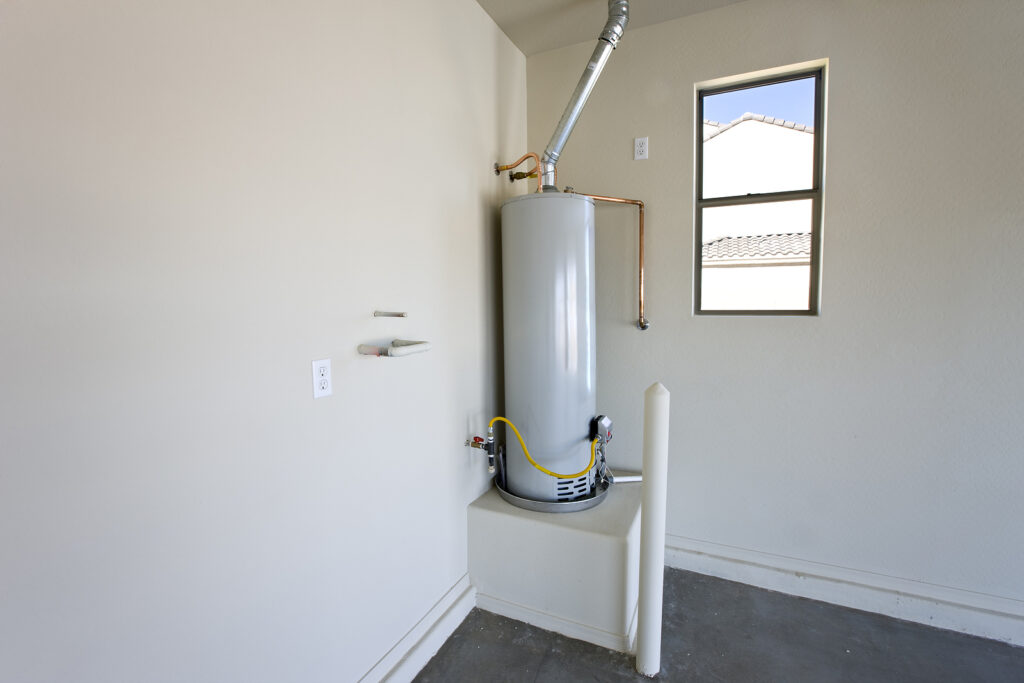
Hard water contains high levels of minerals, mainly calcium and magnesium. These minerals are not usually dangerous to drink, but they create real trouble inside plumbing systems. A water heater takes the biggest hit because it heats water every day. Heat causes those minerals to separate from the water and stick to metal surfaces. Over time, they build up inside the tank, around heating elements, and inside the narrow passages of tankless units.
That buildup reduces efficiency, lowers performance, and shortens equipment life. A water heater that should deliver reliable service for years may start struggling much earlier when hard water goes untreated. Ohio Buckeye Plumbing helps homeowners understand what hard water does to tank and tankless systems, what warning signs to watch for, and what steps can protect hot water equipment for the long run.
What Hard Water Really Does Inside a Water Heater
Hard water does not damage a water heater in one dramatic moment. It works slowly. Every heating cycle leaves behind a small amount of mineral residue. That residue sticks to hot internal surfaces. Then another layer forms. Then another.
Inside a tank water heater, minerals settle at the bottom of the tank and form a layer of sediment. In electric units, they coat the heating elements. In gas units, they collect above the burner area and create a barrier between the heat source and the water. The system has to work harder to heat the same amount of water.
Inside a tankless water heater, the problem builds in a different way. Tankless systems use a heat exchanger with narrow pathways. Hard water minerals attach to those passages and reduce flow. The unit cannot move heat as efficiently, and it often has to cycle longer to keep up with demand.
In both systems, the result is the same. Performance drops, wear increases, and parts fail sooner than they should.
How Hard Water Affects Tank Water Heaters
Tank water heaters store water in a large tank and heat it throughout the day. That constant heating process gives minerals plenty of opportunities to settle and collect.
The most common issues include:
Sediment at the bottom of the tank. This layer acts like insulation. Heat from the burner or heating elements struggles to pass through it, so the heater uses more energy to do the same job.
Strain on heating elements. In electric water heaters, hard water coats the elements and reduces their ability to transfer heat. That often leads to slower recovery and premature element failure.
More tank stress. Sediment traps heat at the bottom of the tank. Excess heat can weaken the metal and increase wear on the tank lining.
Reduced usable hot water. As sediment builds up, it takes up space that water used to occupy. The tank may hold the same amount physically, but it does not deliver the same effective hot water volume.
Tank systems can still serve homes well in hard water areas, but they need regular flushing and close attention to performance changes.
How Hard Water Affects Tankless Water Heaters
Tankless water heaters often appeal to homeowners because they save space and provide hot water on demand. They are excellent systems, but hard water can be even tougher on them than on tank models.
Tankless units rely on a heat exchanger with small internal passages. Water flows through those passages while the system heats it very quickly. Mineral scale can form inside those narrow channels much faster than many homeowners expect.
Once scale builds up, the system starts showing signs such as:
- Reduced hot water flow
- Longer wait times for hot water
- Temperature swings during use
- Error codes
- Short cycling or shutdowns
Tankless systems also depend on precise sensors and controlled flow rates. Mineral buildup can throw those readings off. A homeowner may assume the unit has an electrical issue or a bad sensor when the real problem is scale inside the heat exchanger.
Regular descaling matters even more with tankless equipment in hard water regions like Northeast Ohio.
Warning Signs That Hard Water Is Hurting Your Water Heater
Hard water damage usually gives warnings before a total failure. The problem is that many homeowners do not connect those symptoms to mineral buildup.
Watch for signs such as:
- Rumbling or popping sounds from a tank unit
- Longer recovery time between showers
- Water that does not get as hot as it used to
- Reduced hot water pressure
- Higher utility bills without a clear reason
- White mineral residue on faucets or showerheads
- Repeated service calls for heating elements or sensors
These signs often point to scale and sediment problems. The longer they continue, the more stress the water heater experiences.
Why Hard Water Increases Energy Use
A clean water heater transfers heat efficiently. Hard water changes that. Scale acts like a barrier between the heat source and the water. The burner or heating element keeps running, but less heat actually reaches the water.
That means the unit runs longer. Longer cycles use more gas or electricity. Homeowners may notice that their energy bills climb even though their daily hot water habits have not changed.
This issue affects both tank and tankless models. A tank system has to heat through a sediment layer. A tankless system has to push water through scaled internal passages while maintaining the target temperature. Either way, the heater uses more effort to achieve less.
A system that wastes energy month after month also accumulates wear month after month.
Why Hard Water Leads to More Repairs
Hard water does not just reduce performance. It increases repair frequency. Parts that should last longer wear out faster when the unit works under constant strain.
Common repair issues tied to hard water include:
- Burned-out heating elements
- Failed thermostats caused by overheating conditions
- Damaged heat exchangers
- Restricted valves
- Sensor problems in tankless systems
- Drain valves clogged with sediment
Some homeowners replace one part after another and still feel frustrated because the underlying water quality issue never changes. Fixing the symptom without addressing scale buildup usually leads to another service call later.
Tank vs Tankless in Hard Water Conditions
Many homeowners ask which type of water heater holds up better in hard water. The honest answer depends on maintenance.
Tank water heaters are often a little more forgiving in the short term because they have more internal space. Sediment can build up slowly before performance becomes severe. Still, the long-term effects can be serious if the tank never gets flushed.
Tankless water heaters often show hard water problems sooner because the internal water pathways are smaller and more sensitive to scale. On the other hand, regular maintenance can keep them performing very well for a long time.
Neither system is immune. Both need care. The better question is not which one avoids hard water damage completely. The better question is which system the homeowner will maintain properly.
How Maintenance Protects Water Heaters in Hard Water Areas
Maintenance makes a major difference in Strongsville and throughout Northeast Ohio. A water heater that receives routine service usually performs better and lasts longer than one left alone year after year.
For tank water heaters, maintenance often includes flushing sediment from the tank, checking the anode rod, inspecting heating components, and confirming that the system heats properly.
For tankless water heaters, maintenance usually includes descaling the heat exchanger, checking filters, testing flow rates, and making sure sensors read accurately.
Professional maintenance helps with several things:
- It removes scale before it becomes severe.
- It improves efficiency and recovery.
- It catches early wear before it turns into a breakdown.
- It helps homeowners get more life from the system.
Maintenance does not change water hardness by itself, but it reduces the damage hard water causes.
Should You Consider Water Treatment Too
In many homes, maintenance alone is not enough. Water treatment can offer stronger long-term protection. A water softener reduces the minerals that cause scale buildup in the first place. That benefits the water heater, faucets, showerheads, appliances, and plumbing lines throughout the home.
Some homeowners choose a full softening system. Others use scale control options depending on the plumbing setup and water quality. The right choice depends on the home, the water test results, and the type of equipment installed.
A water heater works best when it does not have to fight mineral buildup every day. Reducing those minerals at the source gives both tank and tankless systems a better chance to last.
Why This Matters for Homes in Strongsville and Northeast Ohio
Homes in this region often deal with mineral-heavy water and cold weather at the same time. Cold incoming water already makes the water heater work harder. Add hard water buildup on top of that, and the unit loses efficiency even faster.
That combination explains why some homeowners notice hot water issues more during colder months. The heater must raise the water temperature further, and scale makes that job harder.
A good maintenance plan plus the right water quality approach can make a major difference in both comfort and equipment life.
When It May Be Time to Replace the Unit
Hard water damage does not always mean replacement right away. Many systems respond well to flushing, descaling, and part replacement. Still, there comes a point when the unit has lost too much efficiency or suffered too much internal wear.
Signs replacement may be worth discussing, including:
- Repeated breakdowns
- Major decline in hot water performance
- Visible leaks from the tank
- High repair frequency in a scaled tankless system
- Aging equipment with growing energy use
A professional inspection can help determine whether service will restore performance or whether replacement makes more sense.
FAQs
Does hard water damage both tank and tankless water heaters?
Yes. Hard water causes mineral buildup in both systems. Tank units collect sediment, and tankless units develop scale inside the heat exchanger.
How often should a water heater be serviced in a hard water area like Strongsville?
Many homes in Strongsville and across Northeast Ohio benefit from yearly water heater maintenance. Some systems with heavy buildup may need more frequent service.
What are the signs of hard water buildup in a water heater?
Common signs include rumbling noises, reduced hot water, slower recovery, lower pressure, and rising energy bills.
Can flushing or descaling extend the life of a water heater?
Yes. Regular flushing for tank units and descaling for tankless units helps remove buildup and reduce stress on the system.
Should I install a water softener to protect my water heater?
A water softener can help reduce mineral buildup and protect the water heater, fixtures, and plumbing system throughout the home.
Ohio Buckeye Plumbing helps homeowners in Strongsville and Northeast Ohio protect tank and tankless water heaters from hard water damage. Call (440) 283-9377.