


How Offset Pipes Cause Repeated Backups and How Cameras Find Them
Plumbing problems rarely show up without warning. Slow drains, gurgling toilets, foul odors, and recurring sewer backups usually point to something deeper inside the system. Many homeowners and business owners in Strongsville and throughout Northeast Ohio deal with these problems again and again, even after multiple cleanings. In many cases, the real cause sits underground in the form of offset pipes.
An offset pipe occurs when two sections of a sewer line no longer line up correctly. Even a small shift can interrupt the smooth flow of wastewater. Over time, debris collects at that uneven joint, leading to frequent clogs and backups. Standard drain cleaning may provide short-term relief, but the problem keeps returning.
This guide explains how offset pipes form, why they cause repeated backups, and how modern camera inspections help locate them accurately so repairs last.
What Are Offset Pipes in Sewer and Drain Systems
Sewer lines consist of multiple pipe sections connected end to end. In a healthy system, these joints align perfectly so water and waste move smoothly through the pipe. An offset happens when one section shifts out of alignment with the next. Instead of meeting evenly, one pipe sits slightly higher, lower, or sideways.
This creates a small ledge or step inside the pipe. Wastewater hits that ledge instead of flowing freely.
Even a shift of half an inch can cause major problems over time.
Offsets often appear at:
- Old clay pipe joints
- Cast iron connections
- Areas with unstable soil
- Transition points between materials
- Past repair locations
These small misalignments rarely show from the surface, which makes them difficult to detect without specialized tools.
Why Offset Pipes Lead to Constant Drain Backups
Wastewater carries more than just water. It moves toilet paper, soap residue, grease, food particles, hair, and mineral deposits. In a smooth pipe, most of this material flows out to the main sewer. At an offset joint, that flow hits resistance.
Debris begins to collect on the raised edge. Each passing flush or drain adds more material to the buildup. Over time, this creates a partial blockage. Water slows. Solids settle. The blockage grows.
Common results include:
- Slow draining sinks and tubs
- Toilets that struggle to flush
- Floor drains that back up
- Sewer odors inside buildings
- Overflow during heavy use
A drain snake may punch a temporary hole through the buildup. Hydro jetting may clear loose debris. Yet the offset remains, so buildup returns. This explains why some properties experience clogs every few months.
How Offset Pipes Form Over Time
Several factors cause sewer pipes to shift out of alignment.
Soil Movement and Settlement
Soil naturally shifts over time. Heavy rain, drought, freezing, and thawing change soil volume. Northeast Ohio experiences all these conditions. As soil moves, pipes move with it. One section may sink while another stays in place.
Freeze and Thaw Cycles
Winter temperatures cause ground expansion and contraction. This movement stresses underground pipes and joints. Repeated freeze-thaw cycles loosen connections and create offsets.
Aging Infrastructure
Older homes often use clay, cast iron, or Orangeburg pipes. These materials degrade and lose strength with age. As joints weaken, they separate or shift.
Improper Installation
Some older installations lack proper bedding and support. Without stable gravel bases, pipes settle unevenly.
Heavy Surface Loads
Driveways, trucks, and construction equipment place pressure on buried lines. Over time, this weight compresses soil and moves pipes.
Tree Root Growth
Roots can push against pipes and joints, slowly forcing them out of alignment. These factors often work together, making offsets more common in older neighborhoods.
Why Traditional Drain Cleaning Does Not Fix Offsets
Many property owners rely on repeated drain cleaning to manage backups. While cleaning removes buildup, it does not correct pipe alignment. Snaking clears a path through soft debris. Jetting washes away surface buildup. Neither method repairs the step created by an offset.
As soon as normal use resumes, debris starts collecting again.
This leads to:
- Frequent service calls
- Rising maintenance costs
- Ongoing inconvenience
- Increased risk of major backups
Without identifying the structural issue, cleaning becomes a temporary patch.
How Sewer Cameras Detect Offset Pipes Accurately
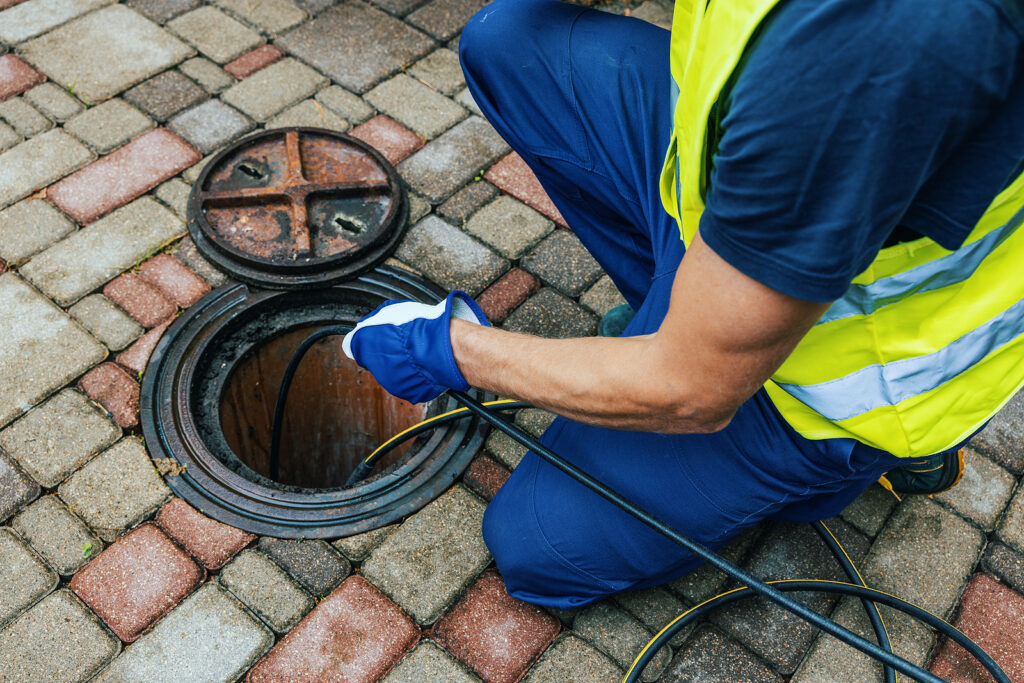
Video camera inspections provide a clear view inside sewer lines. A flexible cable carries a high-resolution camera through the pipe. As the camera moves, technicians see live footage on a monitor.
When the camera reaches an offset joint, it shows:
- A visible step between pipe sections
- Uneven joint alignment
- Debris trapped at the ledge
- Water pooling near the offset
- Distorted pipe shape
Modern systems include distance tracking and location transmitters. This allows technicians to pinpoint the exact location and depth of the offset.
Instead of guessing, they know:
- How far from the cleanout the offset sits
- Whether it lies under concrete, lawn, or driveway
- How severe the misalignment is
This precision guides proper repairs.
Signs Your Property May Have Offset Pipes
Certain symptoms strongly suggest offset joints.
Watch for:
- Clogs that return after cleaning
- Backups during heavy water use
- Slow drains in multiple fixtures
- Sewer odors that linger
- Gurgling sounds in pipes
- Floor drain overflows
Properties with repeated plumbing issues often benefit from camera inspections. Ignoring these signs allows damage to worsen.
Repair Options After Finding an Offset Pipe
Once a camera confirms an offset, technicians choose the best solution based on severity, location, and pipe material.
- Spot Repair: For small sections, crews excavate only the damaged joint and replace it with properly aligned piping. This method limits property disruption.
- Pipe Realignment: In minor cases, technicians may re-seat joints and stabilize surrounding soil.
- Section Replacement: Severely damaged segments require full replacement to restore flow.
- Trenchless Lining: Some offsets qualify for lining if alignment remains close enough. The liner smooths internal surfaces and bridges small gaps.
- Full Line Replacement: Extensive shifting may require replacing long sections. Camera footage helps determine the right approach.
How Early Detection Prevents Major Damage
Offset pipes worsen over time. As debris builds up, pressure increases. Water backs up into buildings. Sewage may overflow.
Prolonged backups damage:
- Flooring
- Walls
- Electrical systems
- Appliances
- Inventory
- Structural components
Early camera inspections catch offsets before major failures occur. Proactive repairs cost far less than emergency cleanup and reconstruction.
Why Professional Evaluation Matters
Not every irregularity in a pipe qualifies as a serious offset. Trained technicians distinguish between:
- Normal joint variations
- Harmful misalignment
- Temporary buildup
- Structural failure
Ohio Buckeye Plumbing uses advanced cameras and experienced professionals to provide accurate assessments for homes and businesses in Strongsville and Northeast Ohio. Clear explanations help property owners make informed decisions.
Preventing Future Offsets After Repairs
After fixing an offset, prevention matters.
Professional repairs include:
- Proper bedding and compaction
- Reinforced joints
- Updated materials
- Soil stabilization
- Load management
Maintenance programs with periodic inspections reduce future risk. Regular monitoring keeps systems flowing smoothly.
FAQs: Offset Pipes and Sewer Camera Inspections
Can a small offset really cause big problems?
Yes. Even minor misalignment creates ledges that collect debris and grow into major blockages.
Will drain cleaning remove an offset?
No. Cleaning clears buildup but does not fix pipe alignment.
How long does a camera inspection take?
Most inspections take between 30 and 90 minutes depending on line length.
Are offset pipes common in older homes?
Yes. Aging materials and soil movement make offsets more common in older properties.
Can trenchless methods fix offset pipes?
Some minor offsets qualify for lining, but severe misalignment requires excavation.
Stop repeated backups caused by hidden pipe offsets. Call Ohio Buckeye Plumbing at (440) 283-9377 for professional sewer camera inspections in Strongsville and Northeast Ohio.