


How Sediment Build-Up Impacts Your Water Heater’s Performance and Energy Bills
Every water heater, whether in a home or a commercial property, has one job, deliver hot water when you need it. But over time, sediment build-up inside the tank can silently rob your system of its efficiency, shorten its lifespan, and inflate your energy bills. In places like Strongsville and across Northeast Ohio, where hard water is common, sediment build-up is one of the most frequent causes of water heater failure.
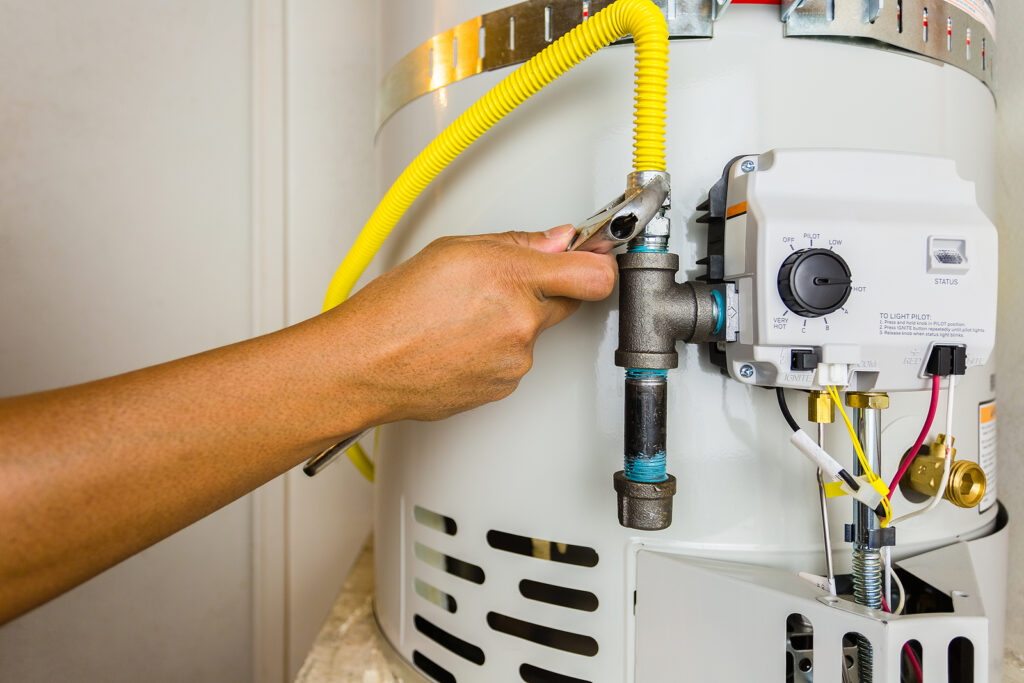
The good news is that with regular maintenance and early detection, you can keep your water heater running at peak performance for years. At Ohio Buckeye Plumbing, we’ve seen firsthand how simple care and awareness can save property owners from unnecessary repair costs and downtime. Here’s everything you need to know about how sediment build-up affects your water heater and what you can do to fix and prevent it.
What Is Sediment Build-Up in a Water Heater?
Sediment build-up happens when minerals and debris from your water supply settle at the bottom of your water heater tank. In most parts of Northeast Ohio, the water supply contains calcium, magnesium, and small traces of other minerals, commonly known as hard water. As your water heater warms the water, these minerals separate and sink to the bottom, forming a layer of sediment.
At first, it may seem harmless, but this layer keeps growing every time you use hot water. Eventually, it starts to block heat transfer, reduce water volume inside the tank, and interfere with how the system operates. You might hear popping or rumbling noises from the tank, those are steam bubbles struggling to escape through the thick layer of mineral deposits.
Without intervention, this build-up can lead to major inefficiencies, expensive energy bills, and even a total system breakdown.
How Sediment Build-Up Reduces Heating Efficiency
A clean water heater transfers heat directly from the heating element (or burner) to the water. But when sediment builds up, it acts as a barrier between the heat source and the water. This makes the system work harder and longer to reach the same temperature.
That extra effort translates to higher energy use and more strain on the components. In gas water heaters, it also traps heat at the bottom of the tank, creating hot spots that can warp or damage the metal lining. Electric water heaters face similar risks because the heating elements can become buried in sediment, causing them to overheat and fail prematurely.
Over time, this inefficiency doesn’t just waste energy, it also shortens your water heater’s lifespan and makes your water temperature less consistent.
How Sediment Affects Your Energy Bills
Many homeowners and business owners in Strongsville notice their water heater costs rising but don’t connect it to sediment build-up. The thicker the sediment layer, the longer your heater runs to deliver the same amount of hot water. That additional run time means more electricity or gas consumption.
If your water heater once took 20 minutes to heat a full tank but now takes twice as long, you’re paying for that extra heating time every day. Multiply that by weeks or months, and it adds up to hundreds of dollars in wasted energy each year.
Regular flushing and inspection can restore efficiency and stop this problem before it drives your utility bills higher.
Signs That Sediment Build-Up Is Affecting Your Water Heater
Sediment doesn’t appear overnight, it builds gradually. But there are clear warning signs that suggest it’s time to have your system checked. Some of the most common symptoms include:
- Rumbling or popping sounds coming from the tank
- Reduced hot water supply or temperature drops during showers
- Discolored or cloudy water from the hot tap
- Longer heating times than usual
- Fluctuating water pressure in hot water lines
- Higher energy bills without increased water use
If you notice any of these issues, it’s best to schedule a water heater inspection. Catching sediment early can prevent costly repairs and extend your unit’s lifespan.
Why Sediment Build-Up Shortens Water Heater Lifespan
Sediment not only lowers efficiency, it causes physical damage to your water heater. In gas models, the trapped heat at the bottom can overheat the tank’s metal base, weakening it over time. In electric models, heating elements may burn out prematurely from constant contact with mineral buildup.
As sediment piles up, it reduces the amount of available water in the tank, meaning the system works harder to keep up with your hot water demand. That constant strain accelerates wear and tear on internal components, valves, and thermostats. Eventually, the tank may crack or start leaking, forcing a full replacement.
By scheduling routine maintenance through Ohio Buckeye Plumbing, you can protect your investment and ensure your system runs smoothly for years to come.
Preventing Sediment Build-Up in Your Water Heater
Prevention is always better than repair. Here are simple steps you can take to keep sediment from damaging your water heater:
- Flush the tank at least once a year.
This process removes built-up minerals and keeps the interior clean. - Install a water softener.
Reducing mineral content in your water supply helps minimize scale formation. - Schedule professional inspections.
Our plumbers can check the tank, anode rod, and heating elements for early signs of buildup. - Maintain the correct temperature setting.
Keeping the thermostat between 120–130°F helps reduce mineral separation. - Consider a tankless water heater.
For properties with ongoing sediment problems, switching to a tankless system eliminates the issue.
Simple maintenance steps like these keep your system efficient, reduce breakdown risks, and help control your energy bills.
How Ohio Buckeye Plumbing Helps Maintain Your Water Heater
At Ohio Buckeye Plumbing, we provide full-service water heater maintenance, repair, and replacement for both residential and commercial clients across Strongsville and Northeast Ohio. Our licensed technicians inspect for sediment buildup, test system performance, and flush tanks safely without damaging components.
We also help customers identify whether repair or replacement makes the most sense for their system. If your water heater is older than ten years or shows signs of corrosion or efficiency loss, our team can recommend modern, energy-efficient alternatives like tankless models.
Our goal is simple, to help you save energy, avoid costly breakdowns, and keep your hot water reliable all year long.
Common Water Heater Problems Caused by Sediment in Strongsville & Northeast Ohio
Homes and businesses in this region experience specific water heater challenges due to hard water and fluctuating temperatures. Here are a few local issues our team helps resolve:
- Reduced heating efficiency during cold months
- Corroded heating elements from mineral buildup
- Sediment clogging drain valves and pressure relief systems
- Hard water scale forming inside plumbing lines
- Shortened tank life from heat stress
Our technicians are familiar with these regional issues and provide targeted maintenance solutions that fit local water conditions.
FAQs
1. How often should I flush my water heater to prevent sediment buildup?
It’s best to flush your water heater once a year, but homes with hard water may need it every six months to prevent mineral accumulation.
2. What happens if I ignore sediment buildup in my water heater?
Ignoring it can lead to higher energy bills, inconsistent hot water, and potential tank damage or failure.
3. Can sediment cause strange noises in my water heater?
Yes, popping or rumbling sounds are often caused by steam bubbles trapped under the sediment layer.
4. How can I tell if sediment buildup is affecting water quality?
If your hot water looks cloudy or rusty, or you notice reduced pressure, sediment buildup could be the cause.
5. Who should I call for professional water heater maintenance in Strongsville?
Call Ohio Buckeye Plumbing for expert water heater maintenance, cleaning, and installation across Strongsville and Northeast Ohio.
Protect your water heater from sediment damage with expert service from Ohio Buckeye Plumbing. Call (440) 283-9377 today for professional maintenance in Strongsville and Northeast Ohio.