


How Video Inspections Prevent Unnecessary Excavation and Property Damage
Sewer and drain problems often stay hidden until they cause major disruptions. Slow drains, repeated backups, foul odors, or soggy spots in the yard usually point to issues deep inside underground pipes. In the past, plumbers had to rely on guesswork and trial-and-error digging to find the problem. That approach often meant torn-up lawns, broken sidewalks, damaged driveways, and expensive repairs that went beyond the plumbing issue itself.
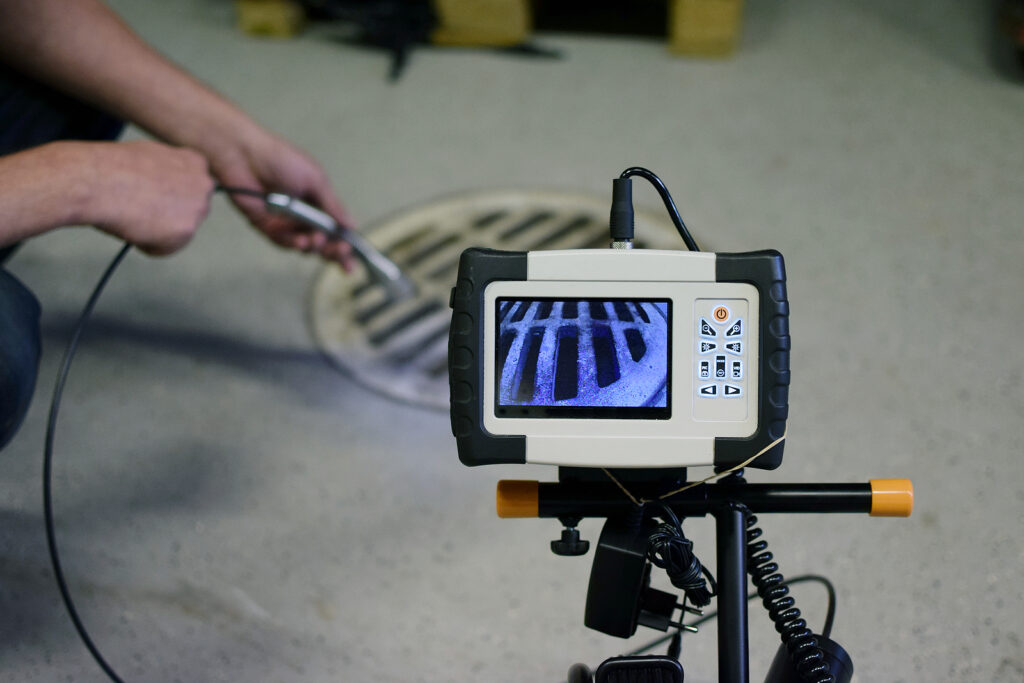
Today, video camera sewer inspections change that process completely. With high-definition cameras designed for plumbing systems, professionals can see exactly what is happening inside your pipes without digging first. Ohio Buckeye Plumbing uses this technology to help homeowners and business owners in Strongsville and throughout Northeast Ohio avoid unnecessary excavation and protect their property.
This guide explains how video inspections work, why they prevent damage, and how they save time, money, and stress.
Why Traditional Sewer Diagnostics Often Led to Property Damage
Before sewer cameras became common, plumbers had limited tools to locate underground problems. They relied on experience, surface clues, and educated guesses. While skilled professionals often got close, accuracy depended on many variables.
Common challenges included:
- Pipes that ran in unexpected directions
- Multiple problem spots in one line
- Shifting soil that moved pipes over time
- Old records that no longer matched real layouts
- Hidden damage under concrete or landscaping
A plumber might dig in one location, only to discover the problem sat several feet away. That mistake meant filling holes and starting again. Each attempt added more damage to yards, floors, or pavement.
Property owners paid for repairs twice: once for the plumbing and again for restoring surfaces.
Video inspections eliminate this guesswork.
How Sewer Video Inspections Work in Real-World Settings
A video sewer inspection uses a flexible cable with a waterproof camera attached to the end. The technician feeds this camera into the drain or sewer line through an access point such as a cleanout, toilet opening, or floor drain.
As the camera moves through the pipe, it sends live video to a monitor. The technician watches in real time and records the footage for review.
Modern systems include:
- High-resolution imaging
- Built-in lighting
- Distance counters
- Location transmitters
- Recording capabilities
These features allow plumbers to track how far the camera travels and mark the exact position of any problem.
Instead of guessing, the team sees:
- Cracks
- Collapsed sections
- Root intrusion
- Grease buildup
- Corrosion
- Misaligned joints
- Standing water
- Foreign objects
This visual proof forms the foundation of precise repairs.
Accurate Problem Location Prevents Random Digging
The biggest reason video inspections prevent unnecessary excavation lies in precision. The camera shows exactly where the issue sits, measured from the entry point.
For example:
A blockage appears 42 feet from the basement cleanout and slightly left of center under the driveway.
That information tells the crew:
- Where to dig
- How deep to dig
- Which surface needs protection
- Which area to avoid
Without that data, a crew might start near the foundation, move outward, and disturb large sections of property. With video inspection data, they target one small area and leave the rest untouched.
This accuracy protects:
- Landscaping
- Hardscaping
- Driveways
- Patios
- Walkways
- Foundations
- Basement floors
Preventing Structural Damage Inside and Outside Buildings
Excavation near buildings carries serious risks. Digging too close to foundations, footers, or slabs can weaken structural support. Poorly placed digging also increases the risk of cracks, settling, and long-term instability.
Video inspections help avoid those risks by showing whether the problem sits:
- Under a slab
- Outside the foundation wall
- Near utility lines
- Under load-bearing areas
With this knowledge, plumbers choose safer access points and repair methods.
Sometimes, the camera reveals that excavation is not necessary at all. A blockage might respond to jetting. A small crack might qualify for lining. A minor offset might only need targeted repair. Without inspection, crews might dig unnecessarily.
How Inspections Support Trenchless and Targeted Repairs
Many modern sewer repairs no longer require full excavation. Trenchless technologies and spot repairs rely heavily on camera data.
Examples include:
- Spot Repairs: A single cracked section can be replaced without disturbing the rest of the line. The camera identifies the exact damaged length.
- Pipe Lining: Cured-in-place liners require accurate measurements and clean surfaces. Cameras verify pipe condition before and after lining.
- Root Treatment: If roots enter at specific joints, technicians can focus on those spots rather than replacing entire lines.
- Offset Correction: Misaligned joints often need precise repositioning. Video footage shows how severe the offset is.
These methods reduce disruption and protect property surfaces.
Protecting Landscaping and Outdoor Features
Homeowners and businesses invest heavily in outdoor spaces. Lawns, gardens, retaining walls, patios, and decorative features cost time and money to install.
Random excavation destroys:
- Sod
- Flower beds
- Irrigation lines
- Hardscape edges
- Tree roots
- Decorative stone
Video inspections let crews plan access routes and excavation zones carefully. They can work around prized features instead of through them.
In many cases, they avoid digging in landscaped areas altogether by accessing lines from alternative points. This approach preserves curb appeal and property value.
Reducing Interior Damage in Finished Spaces
Sewer problems inside buildings create even bigger challenges. Finished basements, tiled floors, and commercial interiors cost far more to repair than outdoor surfaces.
Without accurate diagnostics, crews might cut into:
- Concrete slabs
- Ceramic tile
- Hardwood floors
- Carpeted areas
- Commercial flooring systems
A video inspection helps identify whether access should occur:
- From outside
- Through existing cleanouts
- Via plumbing stacks
- From utility rooms
This planning avoids tearing up living spaces and business areas. For commercial properties, this means fewer closures and less lost revenue.
Preventing Repeated Digging from Misdiagnosis
One of the most frustrating experiences for property owners involves repeated repairs that never fully solve the problem. This often happens when the root cause remains hidden.
For example:
A plumber clears a clog and replaces a small section. The problem returns weeks later because a deeper crack or belly still exists. Each visit may involve more digging.
Video inspections prevent this cycle by revealing the full condition of the line from start to finish. Technicians see whether multiple issues exist and address them together. This comprehensive view saves property from repeated disruption.
Documentation That Protects Property Owners
Video inspections provide recorded proof of pipe conditions. This documentation helps property owners in several ways:
- Verifying repair necessity
- Supporting insurance claims
- Confirming contractor work
- Assisting during property sales
- Planning future maintenance
Instead of relying on verbal explanations, owners can see the evidence. This transparency builds trust and prevents unnecessary work.
How Video Inspections Support Preventive Maintenance
Preventing damage starts long before emergencies happen. Regular video inspections catch small problems early.
Common early findings include:
- Minor root entry
- Light corrosion
- Small separations
- Early scale buildup
- Slight sags
Addressing these issues early avoids major failures later.
Preventive inspections help:
- Extend pipe lifespan
- Reduce emergency calls
- Avoid foundation damage
- Maintain drainage efficiency
For commercial properties, this proactive approach protects operations and compliance.
Why Professional Interpretation Matters
Owning a camera does not equal proper diagnosis. Training and experience matter. Professional plumbers know how to interpret footage correctly. They recognize the difference between:
- Normal aging and serious deterioration
- Temporary buildup and structural collapse
- Minor shifts and dangerous offsets
Ohio Buckeye Plumbing combines advanced equipment with experienced technicians who understand regional soil conditions, aging infrastructure, and seasonal stress patterns common in Northeast Ohio. That expertise ensures accurate decisions and responsible recommendations.
Common Problems Video Inspections Help Identify Early
Video inspections regularly uncover issues that lead to property damage if ignored:
- Collapsing clay pipes
- Orangeburg pipe deterioration
- Heavy grease mats
- Frozen pipe fractures
- Tree root networks
- Corroded cast iron
- Soil intrusion
- Improper past repairs
Finding these early prevents sinkholes, basement flooding, and structural settlement.
FAQs: Video Sewer Inspections and Property Protection
How long does a sewer video inspection take?
Most inspections take 30 to 90 minutes, depending on pipe length and complexity.
Can inspections work in old or fragile pipes?
Yes. Professionals adjust camera speed and pressure to protect older materials.
Will a video inspection damage my pipes?
No. The cameras are designed for safe internal use.
Do I need an inspection before buying a home?
Yes. Inspections reveal hidden sewer problems that standard home inspections miss.
How often should commercial properties schedule inspections?
Most benefit from annual or semi-annual inspections, depending on usage.
Protect your property from unnecessary digging and costly damage. Call Ohio Buckeye Plumbing at (440) 283-9377 for professional sewer video inspections in Strongsville and Northeast Ohio.