


What Causes a Tankless Water Heater to Shut Off During Use
A tankless water heater should deliver steady hot water on demand. That is one of the main reasons homeowners choose one in the first place. You turn on the shower, start the dishwasher, or run a sink, and the system should keep up without interruption. So when the unit suddenly shuts off during use, the problem feels especially frustrating. One minute the water is hot, and the next minute it turns cold for no clear reason.
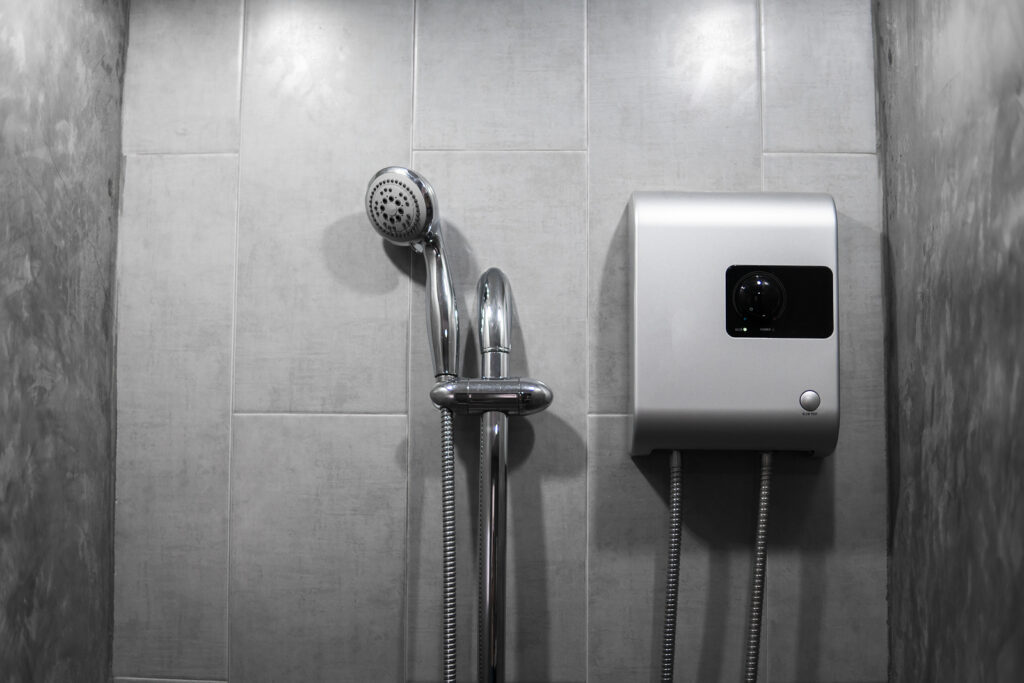
This issue happens more often than many people realize. In Strongsville, OH and throughout Northeast Ohio, tankless water heaters deal with mineral-heavy water, winter temperature swings, venting challenges, and normal wear that can all affect performance. A shutdown during use does not always mean the unit has failed. In many cases, the heater is responding to a condition that it sees as unsafe or outside normal operating range.
Ohio Buckeye Plumbing helps homeowners figure out why this happens, what warning signs matter, and how to restore reliable hot water. Understanding the common causes can help you act sooner and avoid bigger repairs later.
How a Tankless Water Heater Decides to Keep Running
A tankless system works differently from a traditional tank water heater. It does not store heated water. Instead, it senses water flow, ignites a burner or heating element, and heats water as it moves through the unit. For the heater to stay on, several things must remain stable at the same time.
The system needs:
- Enough water flow to trigger the operation
- Proper gas or electrical supply
- Safe venting and combustion conditions
- Clean internal passages for heat exchange
- Functional sensors and controls
If one of those conditions drops outside the acceptable range, the system may shut itself off to protect the unit or the home. That shutdown can feel random to the user, but the heater is usually reacting to a specific problem.
Low Water Flow Is One of the Most Common Causes
Tankless water heaters need a minimum amount of water flow to stay active. If the flow drops below that threshold, the unit may stop heating because it assumes the demand has ended.
This problem often shows up during:
- Low-flow shower use
- Warm-weather faucet mixing, where very little hot water is needed
- Use of fixtures with clogged aerators
- Partially closed valves
- Scale buildup that restricts movement inside the system
A homeowner may notice this during a shower that starts hot and then turns cool once the flow changes. Sometimes the problem appears when someone slightly reduces the faucet or shower setting.
Low flow issues can come from the fixture itself or from the water heater’s internal components. Cleaning aerators, checking shutoff valves, and servicing the unit can often help restore steady operation.
Mineral Buildup Inside the Heat Exchanger
Hard water remains a major issue for tankless systems in Northeast Ohio. Minerals such as calcium and magnesium collect inside the heat exchanger over time. That buildup narrows the internal water pathways and affects how the unit reads flow and transfers heat.
As scale builds, the water heater may:
- Overheat internally
- Sense abnormal temperature changes
- Struggle to maintain flow
- Shut down to protect the heat exchanger
This kind of problem does not always begin with a total shutdown. It often starts with slower hot water delivery, temperature swings, or inconsistent performance. Then it progresses into interruptions during use.
Regular descaling helps prevent this problem. A tankless system in a hard water area needs maintenance more than many homeowners realize.
Gas Supply Problems Can Interrupt Heating
Gas-fired tankless units need a steady fuel supply. A weak or inconsistent gas supply can cause the burner to shut off during operation. This issue can happen if the gas line is undersized, if the regulator is not performing correctly, or if another appliance pulls fuel at the same time.
You might notice this more during heavy household demand, such as:
- Running hot water while the furnace is active
- Using multiple hot water fixtures at once
- Operating other gas appliances during shower use
A tankless water heater needs the right gas volume to keep heating water continuously. If the supply drops, the burner may shut down or fail to maintain temperature.
Gas issues should always be evaluated by a licensed professional. Proper sizing and safe testing matter.
Venting Problems and Airflow Restrictions
Tankless water heaters depend on proper venting to remove exhaust and bring in fresh air where required. If the vent system becomes blocked or restricted, the unit may shut down as a safety measure.
Common venting problems include:
- Debris in the intake or exhaust termination
- Snow or ice buildup in cold weather
- Condensation issues
- Improper vent installation
- Loose vent connections
Strongsville winters can make this issue more noticeable. Cold weather can affect vent terminations and create conditions where airflow becomes restricted. The heater may run fine most of the year and then start shutting off more often during colder months.
A professional inspection can confirm whether the vent path is clear and correctly installed.
Overheating From Restricted Heat Transfer
A tankless system is designed to move heat into flowing water. If that process becomes restricted, the unit may overheat internally. The control system then shuts the heater off to prevent damage.
This can happen because of:
- Scale inside the heat exchanger
- Dirty filters
- Restricted water flow
- Faulty temperature sensors
- Circulation problems inside the unit
To the homeowner, the symptom is simple: hot water suddenly stops. Inside the unit, the problem is more complex. The heater senses temperatures rising faster than they should and protects itself by shutting down.
This is another reason routine service matters. Clean internal components help the unit regulate temperature properly.
Dirty Inlet Filters and Small Internal Blockages
Many tankless systems include inlet screens or filters to catch debris before it enters sensitive components. Over time, these filters can collect sediment and reduce water flow.
That reduced flow affects performance in two ways. First, it may drop below the activation threshold. Second, it may contribute to overheating because water does not move through the heat exchanger as designed.
Small blockages in valves or internal passages can create similar results. These issues often build up slowly, so homeowners may not notice the problem until shutdowns become more frequent.
Cleaning filters and checking internal flow restrictions can solve many intermittent problems.
Faulty Sensors and Control Components
Tankless water heaters rely on sensors to track water temperature, flow, ignition, and safe operation. If one of these components sends inaccurate information, the unit may shut off even when the underlying plumbing conditions seem normal.
Sensor-related shutdowns may involve:
- Temperature sensors are reading too high or too low
- Flame sensors are failing to confirm burner operation
- Flow sensors are misreading demand
- Control board communication problems
These issues often require professional diagnostics because the problem may not be visible from the outside. Some units display error codes, which can help narrow the cause. Others may cycle off without a clear message to the homeowner.
A technician can test the system and determine whether the issue comes from a sensor, wiring, or the control system itself.
Cold Incoming Water Can Push the Unit Harder
In winter, incoming water enters the home much colder than it does in warmer months. That means the tankless heater has to raise the temperature further to produce comfortable hot water. The harder the unit has to work, the more likely existing problems are to show themselves.
For example:
- Scale buildup becomes more noticeable
- Gas supply issues show up under higher demand
- Marginal venting becomes more problematic
- Flow irregularities affect performance faster
A heater that seems acceptable in summer may start shutting off in winter because cold incoming water exposes weaknesses in the system.
This does not always mean the unit is too small, though sizing can play a role. Sometimes the heater simply needs service or adjustment.
Excessive Demand or Improper Sizing
Tankless systems are sized for a certain amount of hot water flow at a certain temperature rise. If demand exceeds capacity, the unit may struggle to keep up. In some cases, the water heater may not fully shut off, but it may behave as if it is failing by producing unstable temperatures or going cold during heavy use.
This often happens when:
- Multiple showers run at once
- A shower and laundry start together
- A large tub fills while other fixtures use hot water
- The unit was undersized for the home
Improper sizing does not always lead to immediate shutdowns, but it can create operating instability that feels similar. A professional can determine whether the heater’s capacity matches the household’s real usage.
Why Professional Maintenance Makes a Big Difference
Tankless water heaters are efficient and reliable when they receive proper care. Many shutdown problems trace back to maintenance that was skipped or delayed.
Routine service can include:
- Descaling the heat exchanger
- Cleaning inlet filters
- Checking burners and ignition components
- Inspecting venting
- Testing gas pressure
- Reviewing error history
- Verifying temperature and flow operation
This kind of service helps catch problems before they cause repeated interruptions. It also helps the system last longer and perform more consistently.
When to Call for Service
A single brief interruption may not always signal a major issue, but repeated shutdowns should not be ignored. It is time to call for professional service when:
- The unit shuts off more than once during normal use
- Hot water turns cold in the middle of showers
- Error codes appear repeatedly
- Water flow seems weaker than before
- The system has not been serviced in a long time
- Problems get worse in winter
Waiting too long can turn a maintenance issue into a repair issue. Early inspection usually makes the solution more straightforward.
FAQs
Why does my tankless water heater turn cold in the middle of a shower?
This often happens because of low water flow, mineral buildup, venting issues, or sensor problems inside the unit.
Can hard water cause a tankless water heater to shut off?
Yes. Hard water can create scale inside the heat exchanger, which affects flow and temperature control.
Why does the problem seem worse in winter?
Cold incoming water makes the unit work harder, which can expose weak gas supply, scale buildup, or airflow issues.
Do tankless water heaters need regular maintenance?
Yes. Regular descaling, filter cleaning, and inspection help prevent shutdowns and extend system life.
Can a clogged faucet or showerhead affect the water heater?
Yes. Restricted fixture flow can reduce demand enough that the unit shuts off during use.
Ohio Buckeye Plumbing helps homeowners in Strongsville and Northeast Ohio solve tankless water heater shutdown problems. Call (440) 283-9377.