


Why Aging Supply Lines Fail Without Preventive Replacement Planning
Water supply lines work quietly behind walls, under floors, and above ceilings. Most property owners rarely think about them until a leak shows up. By the time water stains appear or pressure drops, damage may already exist inside the system. Aging supply lines rarely fail all at once. They weaken gradually. Without preventive replacement planning, small weaknesses turn into burst pipes, water damage, and costly repairs.
In Strongsville, OH and throughout Northeast Ohio, many homes and commercial buildings still rely on older supply piping materials. Cold winters, mineral-heavy water, and decades of daily use place stress on those lines. Ohio Buckeye Plumbing helps property owners understand why aging supply lines fail and how proactive planning protects buildings from sudden plumbing emergencies.
What Are Supply Lines and Why Do They Matter
Supply lines carry fresh water from the main service line into a building and then branch off to sinks, toilets, showers, appliances, and water heaters. These lines stay under pressure at all times. Unlike drain pipes that rely on gravity, supply pipes constantly hold water pressure, which makes them vulnerable when materials begin to weaken.
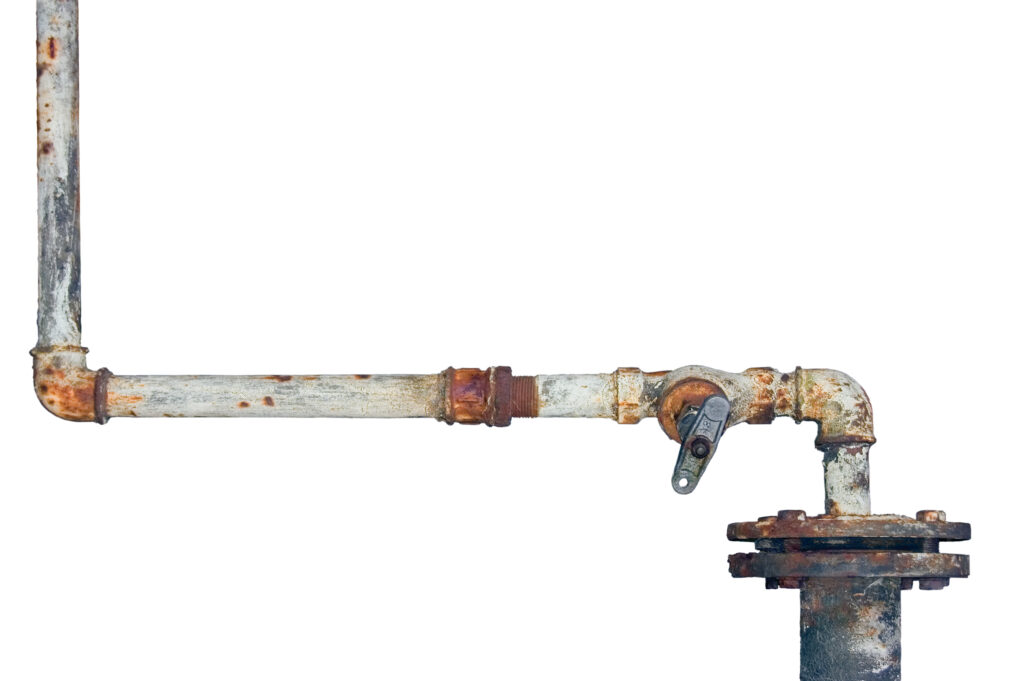
Older buildings in Northeast Ohio may contain galvanized steel, aging copper, or outdated flexible connectors. Over time, corrosion builds inside pipes. Mineral deposits narrow the interior diameter. Joints and fittings loosen from repeated expansion and contraction during seasonal temperature changes.
Supply lines support every water fixture in the building. When one section fails, water can flow freely until someone shuts off the main valve. That constant pressure makes preventive replacement planning essential.
Why Aging Pipes Fail Gradually, Not Suddenly
Pipe failure often appears sudden because water damage shows up quickly. The weakening process usually starts years earlier. Corrosion eats away at the inner walls of metal pipes. Small pinhole leaks form. Fittings develop hairline cracks. Flexible connectors stiffen and split.
In Strongsville and surrounding communities, winter freeze cycles accelerate pipe stress. Pipes expand and contract as temperatures shift. Older materials struggle to handle that movement year after year.
Mineral content in water also plays a role. Hard water leaves scale inside pipes, which restricts flow and creates uneven pressure. That pressure imbalance places extra strain on weakened sections.
Without routine inspections and a plan to replace aging sections before failure, these small issues continue to grow unnoticed.
The Hidden Risks of Delaying Replacement
Many property owners wait until visible leaks appear before taking action. Unfortunately, supply line failures can cause significant damage in a short time. A cracked pipe inside a wall can soak insulation, drywall, flooring, and framing.
Multi-unit properties face even greater risk. One failed supply line can affect multiple units and displace tenants. Commercial buildings risk downtime, damaged inventory, and disrupted operations.
Water damage also encourages mold growth when moisture remains trapped behind walls. Repairing structural damage often costs far more than replacing aging supply lines before they fail.
Preventive replacement planning avoids these chain reactions. Addressing aging materials before they rupture protects both the building and its occupants.
How Preventive Replacement Planning Works
Preventive replacement planning begins with a thorough inspection. A licensed plumber evaluates visible supply lines, checks for corrosion, tests water pressure, and reviews the age of existing materials. In older buildings, plumbers may inspect pipe sections inside crawl spaces, basements, or utility rooms.
After identifying high-risk areas, the plumber creates a phased plan. Instead of replacing everything at once, property owners can schedule upgrades in stages. This method spreads out the work while steadily reducing risk.
For example, older flexible connectors under sinks and toilets often fail first. Replacing those connectors reduces immediate risk. Aging galvanized supply lines may follow next in the replacement schedule.
Strongsville property owners benefit from this structured approach because it prevents surprise failures while allowing controlled upgrades.
Materials That Outlast Older Supply Lines
Modern plumbing materials offer improved durability compared to older systems. PEX and updated copper piping resist corrosion and handle temperature fluctuations more effectively. Flexible connectors now feature stronger reinforcement and improved fittings.
Ohio Buckeye Plumbing recommends materials based on building type, usage, and local water conditions. Proper installation also plays a key role. Correct pipe sizing, secure fittings, and pressure regulation support long-term performance.
Replacing aging supply lines with durable materials improves water flow and reduces the chance of future leaks. Updated systems also improve efficiency for appliances and fixtures.
The Role of Water Pressure in Supply Line Failure
High water pressure accelerates wear inside supply pipes. Many buildings operate at pressure levels higher than recommended. Over time, excessive pressure stresses joints and weakens pipe walls.
Pressure regulators help maintain safe levels throughout the building. During preventive planning, plumbers test pressure and recommend adjustments when necessary.
Balanced pressure protects both old and new supply lines. Without monitoring and adjustment, pressure spikes can trigger failure in already weakened pipes.
Signs That Supply Lines Need Attention
Property owners should watch for warning signs that indicate aging supply lines may require inspection:
- Rust-colored water from faucets
- Fluctuating water pressure
- Visible corrosion on exposed pipes
- Damp spots near plumbing fixtures
- Frequent minor leaks under sinks
- Older galvanized piping in the building
These signs suggest that internal deterioration may already exist. Early action prevents larger problems.
Why Strongsville Properties Face Unique Challenges
Northeast Ohio experiences wide temperature swings throughout the year. Winter freezes and summer humidity stress plumbing systems. Older neighborhoods often contain original supply piping that has served buildings for decades.
Tree-lined streets also increase the likelihood of underground line movement. Soil shifts place strain on exterior supply lines entering the home.
Preventive replacement planning accounts for these local factors. Ohio Buckeye Plumbing understands regional plumbing challenges and creates plans that match the building’s environment and age.
Protecting Multi-Unit and Commercial Buildings
Multi-unit properties and commercial facilities require special attention. Continuous water demand increases stress on supply lines. One failure can disrupt many occupants.
Preventive planning allows property managers to upgrade supply lines during scheduled maintenance rather than during emergencies. Tenants experience less disruption, and business operations continue without unexpected shutdowns.
Structured replacement reduces liability and protects property value. Long-term planning always costs less in stress and disruption than emergency repairs.
The Value of Acting Before Failure
Supply lines rarely announce their final day of service. They weaken quietly over time. Waiting until a pipe bursts puts the building at risk. Preventive replacement planning provides control. Property owners choose when and how upgrades occur. Water damage, emergency calls, and tenant frustration decrease significantly.
Ohio Buckeye Plumbing works with homeowners, landlords, and commercial managers in Strongsville and across Northeast Ohio to create proactive supply line replacement plans that protect properties long term.
Frequently Asked Questions
How long do supply lines typically last?
Lifespan depends on material and water conditions, but older galvanized lines often require evaluation after several decades.
Can I replace only part of my supply piping?
Yes. A phased replacement plan allows targeted upgrades over time.
Does hard water affect supply line lifespan?
Yes. Mineral buildup accelerates internal wear and reduces pipe diameter.
Are flexible supply connectors risky?
Older connectors can fail unexpectedly. Upgrading to modern reinforced connectors improves reliability.
Should commercial buildings plan replacement sooner?
Yes. Higher water demand increases stress on aging supply lines.
Protect your Strongsville property from supply line failure. Call Ohio Buckeye Plumbing at (440) 283-9377 for preventive planning.