


Why Backflow Failures Often Go Unnoticed Until Water Tests Fail
Clean water plays a critical role in every home and business. People use it for drinking, cooking, cleaning, medical care, and sanitation. Most property owners assume that once water enters their building, it stays safe. In reality, plumbing systems face constant pressure changes that can pull contaminated water back into the clean supply. This process is called backflow.
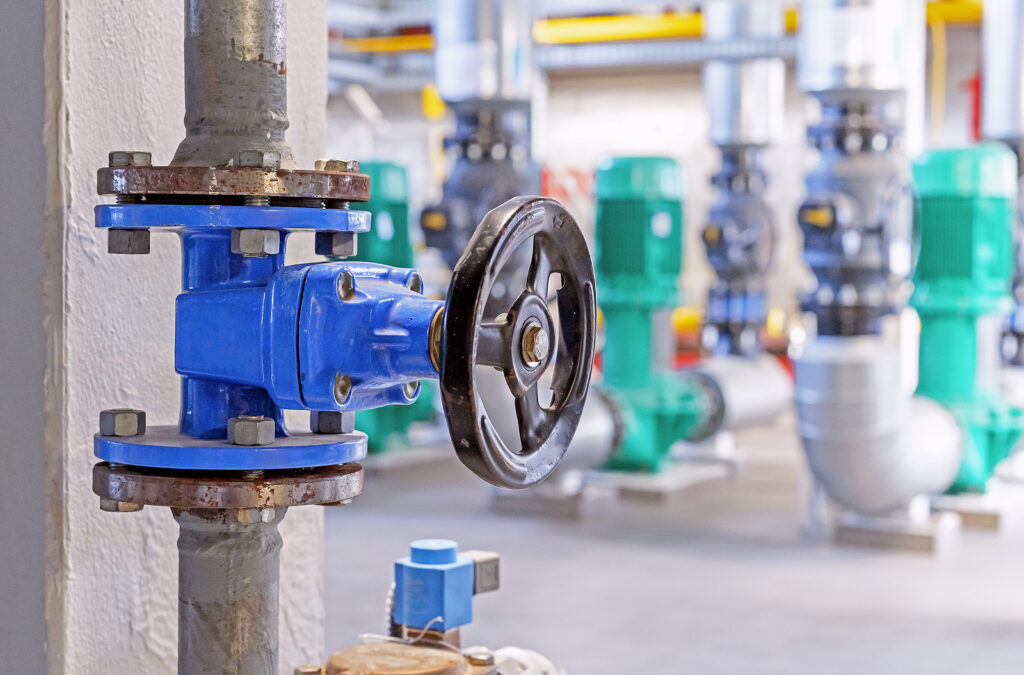
Backflow prevention devices exist to stop this dangerous reversal. These devices protect public and private water systems from pollution. Yet many backflow failures go unnoticed for months or even years. In many cases, the first warning sign appears during a routine water quality test that suddenly fails.
Property owners in Strongsville and across Northeast Ohio often feel surprised when inspectors report contamination risks. The system seemed fine. Water pressure felt normal. No leaks appeared. Still, the backflow device failed.
This guide explains why backflow failures remain hidden, how they develop quietly, and why regular testing remains the only reliable way to catch them early.
Understanding How Backflow Happens in Plumbing Systems
Water normally flows in one direction, from the main supply into your building. Pressure from the municipal system pushes water forward.
Backflow occurs when that pressure drops or reverses. Two main conditions cause backflow:
Backpressure
Backpressure happens when pressure inside a building becomes stronger than the supply pressure. Boilers, pumps, and elevated tanks often create this condition. Water pushes backward into the public supply.
Backsiphonage
Backsiphonage occurs when supply pressure drops suddenly. Main breaks, firefighting activity, or heavy system demand can cause this drop. The system acts like a straw and pulls water backward.
Without protection, dirty water from irrigation systems, boilers, chemical tanks, or drains can enter drinking water lines. Backflow preventers block this movement.
What Backflow Prevention Devices Actually Do
Backflow prevention devices use mechanical parts to keep water flowing in one direction.
Common devices include:
- Double check valve assemblies
- Reduced pressure zone devices
- Pressure vacuum breakers
- Spill-resistant vacuum breakers
Each type suits specific applications.
Inside these devices, springs, seals, discs, and valves open and close based on pressure changes. When water flows forward, the device opens. When pressure reverses, internal parts close. These components wear out over time.
Unlike faucets or toilets, backflow devices usually sit in basements, utility rooms, mechanical spaces, or underground vaults. People rarely see them daily. This makes early failure easy to miss.
Why Backflow Failures Rarely Show Visible Symptoms
Most plumbing problems announce themselves. Leaks drip. Drains clog. Toilets overflow. Backflow devices usually fail silently.
Several factors explain this.
Normal Water Flow Continues
A failing backflow preventer often allows normal water flow. Sinks, showers, and equipment still work. Users see no disruption. Because daily use continues, no one suspects a problem.
Contamination Happens Internally
Backflow contamination happens inside pipes. It does not always change water color, smell, or taste. Small amounts of pollutants may enter without noticeable effects. Water may still appear clear.
Failures Occur Under Rare Conditions
Many backflow devices only activate during pressure reversals. These events may happen once or twice a year. If the device fails during those moments, contamination enters. At all other times, everything seems normal.
Devices Sit Out of Sight
Most devices remain in mechanical rooms or outdoor pits. No one inspects them casually. Out of sight often becomes out of mind.
Common Causes of Hidden Backflow Device Failures
Backflow preventers face constant stress. Several issues cause slow deterioration.
Mineral Buildup
Northeast Ohio water contains minerals that leave deposits on metal and rubber parts. Over time, scale stiffens springs and seals. Valves stop sealing tightly.
Rubber Seal Wear
Rubber components dry, crack, and deform with age. Heat, chemicals, and pressure accelerate this process. A worn seal may leak internally without external signs.
Debris Intrusion
Sand, rust flakes, and sediment enter water lines. These particles lodge in valves and prevent proper closure.
Corrosion
Moist environments corrode metal components. Corrosion weakens springs and valve seats.
Improper Installation
Poor alignment, incorrect sizing, or faulty connections cause premature failure.
Lack of Testing
Without regular testing, minor defects grow into major failures. Each problem develops slowly, making detection difficult without inspection.
Why Routine Water Tests Reveal Hidden Failures
Water quality tests analyze chemical and biological content. Inspectors look for:
- Bacteria
- Fertilizer residues
- Cleaning chemicals
- Metals
- Industrial byproducts
When backflow allows contamination, tests detect abnormal readings. These failures often surprise property owners. The plumbing system still worked. No visible leaks appeared. Staff noticed nothing wrong. The test result becomes the first warning. By that point, contamination already entered the system.
How Compliance Requirements Expose Problems
Many commercial properties must submit annual backflow test reports. Restaurants, medical facilities, schools, factories, and apartment complexes fall under these rules. Certified testers inspect pressure differentials inside the device. They measure how well valves hold against reverse pressure. During these tests, hidden defects surface.
A device that seems fine during daily use may fail under controlled testing conditions. Without mandatory testing, many failures remain undiscovered.
Risks of Undetected Backflow Failures
Ignoring backflow protection creates serious risks.
- Health Hazards: Contaminated water spreads bacteria, chemicals, and toxins. Vulnerable populations face higher risks.
- Legal Liability: Businesses may face fines, closures, and lawsuits after contamination incidents.
- Reputation Damage: Public trust drops quickly after water safety issues.
- Equipment Damage: Corrosive contaminants damage appliances and plumbing fixtures.
- System Shutdowns: Authorities may require immediate repairs and shutdowns.
Early detection prevents these outcomes.
Why Visual Inspections Alone Do Not Work
Some property owners rely on quick visual checks. They look for leaks or corrosion. Visual inspections help but cannot reveal internal failures. Most critical parts sit inside sealed housings. Problems occur where eyes cannot see. Only certified testing measures true performance.
How Professional Testing Identifies Early Warning Signs
Certified testers follow strict procedures.
They:
- Isolate the device
- Measure pressure differences
- Check valve response times
- Inspect relief ports
- Document performance
These tests reveal:
- Weak springs
- Leaking seals
- Slow-closing valves
- Internal bypass flow
Early repairs cost far less than emergency replacements.
Why Testing Frequency Matters in Northeast Ohio
Local conditions affect backflow devices.
Seasonal changes bring:
- Freeze and thaw stress
- Temperature swings
- Ground movement
- Pressure fluctuations
Hard water increases mineral buildup. Industrial and commercial facilities add chemical exposure. Annual testing remains the minimum standard. High-risk properties benefit from more frequent checks.
How Ohio Buckeye Plumbing Helps Prevent Hidden Failures
Ohio Buckeye Plumbing provides certified backflow testing, maintenance, and repairs for homes and businesses in Strongsville and across Northeast Ohio. Technicians understand local codes and water conditions. They document results properly and submit reports when required. Regular service keeps devices compliant and reliable.
Steps Property Owners Can Take to Stay Protected
Simple habits reduce risk.
- Schedule annual testing
- Keep access clear
- Report pressure changes
- Avoid unauthorized modifications
- Maintain accurate records
- Replace aging devices
These steps keep systems safe.
FAQs: Backflow Failures and Water Testing
Why does my backflow device fail even when water seems normal?
Most failures affect internal seals and valves. Water flow may appear normal while protection stops working.
How often should backflow devices be tested?
Most commercial properties require annual testing. High-risk sites may need more frequent checks.
Can homeowners need backflow testing too?
Homes with irrigation systems, boilers, or auxiliary water sources often require testing.
What happens if my backflow test fails?
A licensed plumber repairs or replaces the device and retests it before returning it to service.
Can I test my own backflow device?
No. Certified testers with calibrated equipment must perform official testing.
Protect your water supply before test failures happen. Call Ohio Buckeye Plumbing at (440) 283-9377 for certified backflow testing in Strongsville and Northeast Ohio.