


Why Grease Trap Maintenance Alone Does Not Protect Building Sewer Lines
Grease traps play an important role in commercial plumbing, especially for restaurants, cafeterias, and facilities that handle food daily. Many business owners assume that staying on top of grease trap cleaning means their sewer lines stay protected too. That assumption causes a lot of surprise backups, slow drains, and emergency calls across Strongsville and the rest of Northeast Ohio.
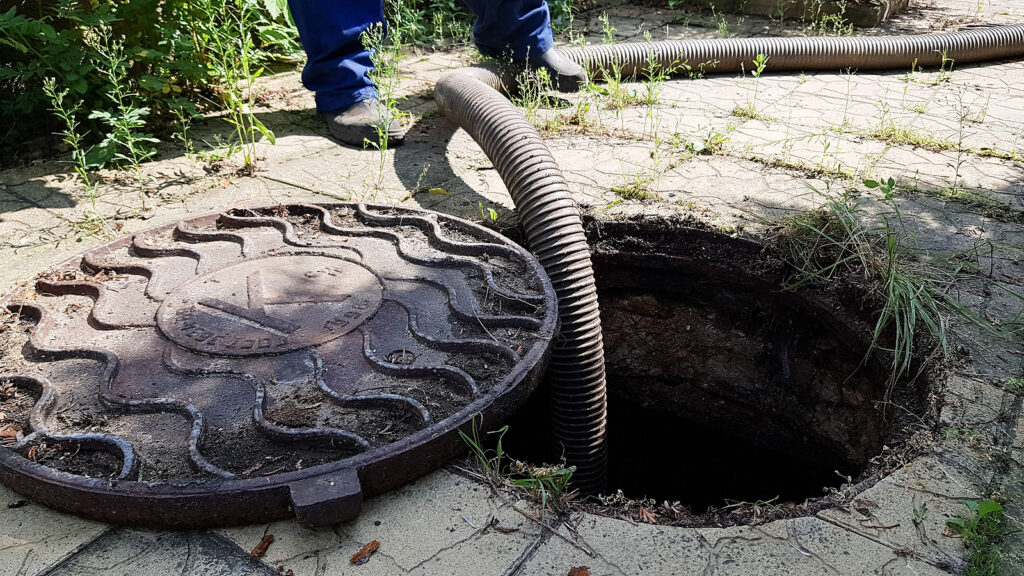
Grease trap maintenance matters, but it only addresses part of the problem. Building sewer lines face grease, food waste, soap residue, paper products, and mineral buildup long after wastewater leaves the trap. Understanding how grease actually moves through a plumbing system explains why trap service alone cannot prevent sewer line damage or blockages.
What a Grease Trap Really Does and What It Does Not
A grease trap slows wastewater and separates fats, oils, and grease before they reach the public sewer. Heavier solids sink, grease floats, and cleaner water flows out. That process protects city sewer systems and helps businesses meet code requirements.
Grease traps do not catch everything. Small grease particles pass through. Hot grease enters as liquid and solidifies later inside cooler pipes. Food scraps, starches, detergents, and paper bypass the trap entirely. Once that material reaches the building drain line, it sticks to pipe walls and builds up over time.
A clean grease trap helps reduce load, but sewer lines still face steady buildup day after day.
How Grease Continues Downstream After the Trap
Grease does not behave the same way in every part of the system. Inside the trap, flow slows and separation occurs. Inside sewer lines, flow speeds up and temperature drops. That change allows grease to coat the pipe interior.
In Northeast Ohio, cooler ground temperatures accelerate this process. Grease hardens quickly once it leaves the trap. Pipes with rough interiors, common in older buildings, hold grease even faster.
Over weeks and months:
- Pipe diameter shrinks
- Flow slows
- Solids stick
- Odors develop
Eventually, a full blockage forms far beyond the grease trap location.
Why Sewer Backups Still Happen With Clean Grease Traps
Many restaurant owners feel frustrated when backups happen despite regular trap service. The issue usually sits farther down the line. Grease trap service schedules often focus on compliance instead of full system health.
Grease buildup in horizontal runs, vertical stacks, and building mains continues silently. No warning appears until flow drops or wastewater backs up into floor drains or fixtures. Trap maintenance reduces grease volume, but sewer lines still need cleaning to remove what escapes the trap.
The Role of Detergents and Hot Water
Modern kitchens rely on detergents and hot water. These break grease into smaller particles that slip through traps easily. Once temperatures cool, grease reforms inside sewer pipes.
Dishwashers, mop sinks, and floor drains all contribute to this process. Over time, detergent residue mixes with grease and food starches to create thick sludge. This mixture sticks aggressively to pipe walls and resists basic snaking during emergency calls.
Why Emergency Clearing Does Not Solve the Root Issue
Emergency drain clearing restores flow but rarely removes grease from pipe walls. Snakes punch a hole through buildup and leave residue behind. That residue regrows quickly.
Many businesses in Strongsville experience repeat backups because emergency clearing never cleans the entire pipe. Each visit solves the moment but shortens the time until the next failure. Hydro jetting removes grease and residue wall to wall, restoring proper flow and pipe diameter.
How Building Sewer Lines Differ From Grease Trap Systems
Grease traps serve a specific purpose at a single point. Sewer lines serve the entire building. Multiple fixtures feed into one main line, compounding buildup.
Bathrooms add paper and soap. Bar sinks add sugar and syrups. Prep sinks add starch and food waste. All of it merges into one system after the trap. Without scheduled sewer maintenance, grease traps act like a filter at the start of a much larger problem.
Why Older Buildings Face Higher Risk
Many Strongsville and Northeast Ohio buildings still rely on cast iron or clay sewer lines. These materials develop rough interiors over time. Rough surfaces trap grease faster than smooth modern piping.
Small bellies or low spots allow grease to settle instead of flowing out. Tree roots exploit grease buildup, worsening blockages. Grease trap service alone cannot address these structural challenges.
How Camera Inspections Reveal the Full Picture
Camera inspections show exactly where grease accumulates and how far it travels beyond the trap. Many business owners feel surprised when footage reveals thick grease lining pipes dozens of feet downstream.
With clear visuals, plumbers create targeted maintenance plans instead of guessing. Camera inspections help schedule jetting before backups happen. This approach saves money, reduces downtime, and protects the entire plumbing system.
What Complete Protection Really Looks Like
True sewer line protection combines:
- Regular grease trap cleaning
- Scheduled sewer line jetting
- Camera inspections
- Staff education on grease disposal
This layered approach prevents emergencies instead of reacting to them. Businesses that follow full-system maintenance see fewer shutdowns and healthier plumbing long term.
Ohio Buckeye Plumbing helps businesses across Strongsville and Northeast Ohio design maintenance plans that protect both grease traps and sewer lines.
FAQs
Does grease trap cleaning prevent sewer backups?
Grease trap cleaning reduces grease entering the system but does not stop buildup inside sewer lines.
How often should sewer lines be jetted?
Frequency depends on usage. Restaurants often benefit from quarterly or semiannual jetting.
Can grease travel far past the trap?
Yes. Grease often coats sewer lines dozens of feet beyond the trap.
Why do backups happen far from the grease trap?
Grease cools and hardens downstream, especially in horizontal runs and low spots.
Is jetting safe for commercial sewer lines?
Jetting works safely when plumbers assess pipe condition and use proper pressure settings.
Protect more than the grease trap. Ohio Buckeye Plumbing keeps sewer lines clear across Strongsville and Northeast Ohio. Call (440) 283-9377.