


Why Renovated Commercial Buildings Often Develop Plumbing Imbalances After Upgrades
Commercial renovations promise a fresh start for any building, but the plumbing system often tells a different story. Many businesses complete a remodel expecting smoother operations, only to start noticing water pressure changes, slow drains, temperature swings, or fixtures that behave unpredictably. These issues appear simple on the surface, but they usually point to deeper plumbing imbalances created during the renovation process.
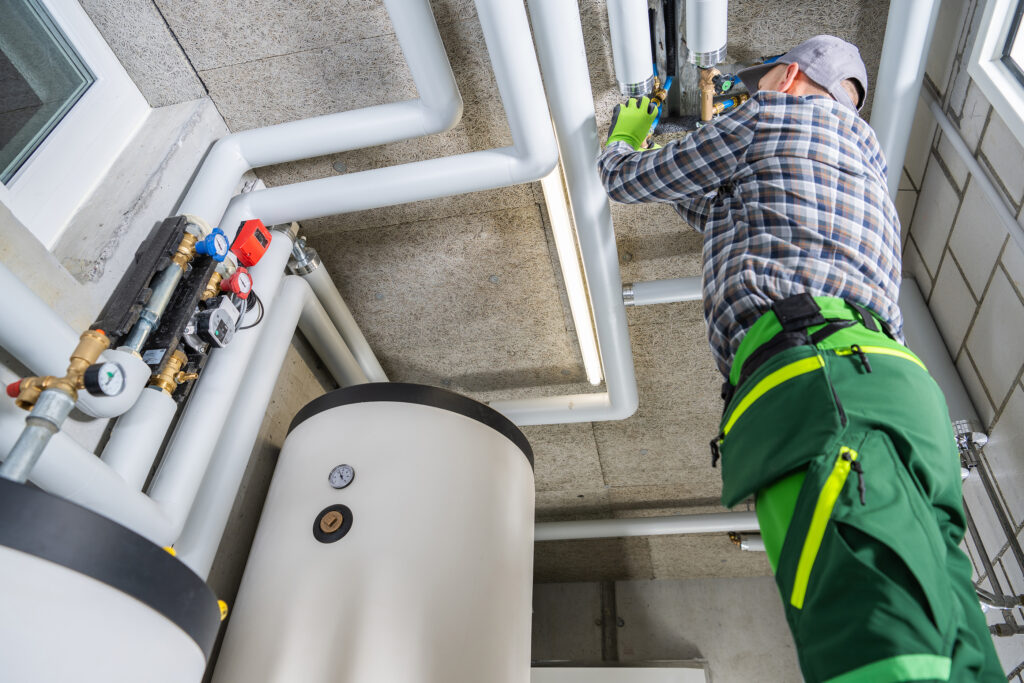
Renovations in commercial properties across Strongsville and Northeast Ohio often involve layout changes, new equipment, upgraded fixtures, or partial system replacements. These upgrades improve the building, but they also shift how water moves, drains, and circulates behind the walls and under the floors. A plumbing system that worked well before the remodel may start struggling once new demands and new configurations enter the picture.
Understanding why these imbalances happen helps business owners take a smarter approach to renovations and maintenance. It also prevents downtime, costly repairs, and health or safety risks that come from hidden plumbing problems. Ohio Buckeye Plumbing works with many commercial properties across the region that experience these issues after a remodel, and we see the same patterns over and over.
This guide explains why plumbing imbalances develop after commercial upgrades and how to prevent them with the right planning, inspections, and long-term care.
Layout Changes Create Uneven Water Pressure
Many commercial renovations shift walls, expand kitchens, add restrooms, or change where equipment connects to the system. These layout changes place new demand on the supply lines.
Water distribution depends on pipe diameter, distance, elevation changes, and the number of fixtures tied into each branch. After a remodel, new connections often pull water from the same line without adjusting pipe size or pressure management. This leads to:
• Water pressure surges in one zone
• Weak flow in another
• Fixtures fighting for supply
• Temperature swings in kitchens or restrooms
Businesses in updated buildings often report new problems that never existed before the renovation. A handwashing sink may drop to a trickle when a nearby fixture turns on, or commercial dish machines may stall due to pressure drops. These problems develop because the updated layout no longer matches the system’s original design.
A full pressure-balancing evaluation after any renovation saves a business from these headaches. It makes sure the plumbing system supports the new floor plan, not the old one.
New Fixtures Change Flow and Drain Patterns
Modern fixtures use different flow rates and internal designs than older commercial plumbing equipment. Installing low-flow faucets, high-efficiency toilets, new showers, commercial spray heads, or touchless fixtures affects how water enters and leaves the system.
Mixing old and new fixtures on the same branch often leads to:
• Slow drain lines
• Unstable flushing patterns
• Air pockets in supply lines
• Sudden pressure drops
• Noise in pipes
New fixtures also rely on precise flow requirements. A luxury multi-head shower in a renovated hotel space or a new high-volume prep sink in a restaurant may demand more water than the existing lines can deliver.
Even small fixture changes can throw off a balanced system when they are not matched to the existing plumbing design. A fixture upgrade sounds simple, but it changes everything from drain velocity to supply flow to vent behavior.
Partial Pipe Replacement Causes Internal Mismatches
Renovations typically replace only the pipes in the areas being remodeled. This means a mix of:
• Old and new pipe materials
• Small and large pipe diameters
• Clean and scale-covered pipe interiors
Old plumbing lines often carry mineral buildup, internal corrosion, or debris. New pipes have a smooth surface that moves water at a different speed. Connecting the two creates pressure fluctuations or sudden clogs where these systems meet.
In many commercial buildings, partial replacement also creates “bottleneck” areas. A modern wider pipe runs into an older, narrow one. Water speeds up, slows down, or collects sediment right at that transition. Over time, this leads to blockages, noisy pipes, or routine backup issues. A full system evaluation helps confirm whether the old sections can support new upgrades or whether a targeted repipe is the better choice.
Vent System Disruptions Create Drainage Issues
Every commercial plumbing system relies on a balanced vent system to control air pressure inside the drain lines. Renovations often require wall removal, roof changes, additional restrooms, or new equipment that may interfere with the vent system.
Once the vent structure changes, drain lines may begin showing:
• Gurgling noises
• Slow drainage
• Repeated clogs
• Odors drifting from floor drains
• Overflow during peak business hours
Vent issues become especially common in commercial kitchens, multi-tenant buildings, and older facilities undergoing large remodels. A fixture may be installed correctly, but if the vent line does not balance it, the drain system loses stability.
This is one of the most overlooked issues during commercial renovations. A full vent inspection should always follow the plumbing upgrades.
Higher Usage After Renovation Strains the System
Many businesses renovate to increase capacity, expand operations, or handle more customers. More use means more demand on the plumbing system.
Examples include:
• Restaurants adding seating
• Gyms adding showers
• Healthcare centers adding exam rooms
• Schools adding new restrooms
• Retail stores expanding floor space
More people using the building means more flushing, handwashing, draining, cooking, cleaning, and heating water. If the plumbing system does not scale with the increased use, imbalances appear within weeks.
This strain also speeds up wear on water heaters, pumps, valves, sewer lines, and pressure regulators. Preventive inspections after renovation help confirm that the plumbing system matches the building’s new usage level.
Old Problems Get Exposed by New Equipment
New equipment places new demands on the plumbing system. For example:
• A commercial dishwasher requires higher flow rates
• A tankless water heater demands strong, consistent water pressure
• A high-efficiency toilet needs the right flush volume
• A new grease trap changes drain flow
• A new water heater changes temperature patterns
These upgrades shine a spotlight on hidden weaknesses in older pipes, valves, drains, or fittings. A system that seemed fine before the remodel may begin showing leaks, noises, or pressure dips once new equipment is in place.
The renovation did not cause the issue; it simply increased the demand enough to expose it.
Why Professional Post-Renovation Evaluation Matters
A commercial plumbing system is a network built on balance. The supply, drainage, and venting must all work together. Renovations change one part of that network, and those changes ripple through the entire system.
A post-renovation plumbing evaluation helps confirm that:
• Pipe sizes match the new demand
• Fixtures are properly balanced
• Venting supports the new layout
• Water pressure remains steady
• Drains operate at the correct speed
• Sewer lines can handle new loads
• The water heater can supply the increased usage
Ohio Buckeye Plumbing provides commercial property owners in Strongsville and Northeast Ohio with full diagnostic inspections after renovations, identifying imbalances before they turn into expensive issues.
FAQs About Plumbing Imbalances After Commercial Renovations
Why does water pressure drop after my commercial renovation?
The new layout or added fixtures may be drawing more water from the same branch lines. This creates competition within the system and leads to noticeable pressure loss.
Can old and new plumbing pipes cause issues when connected?
Yes. Old pipes often contain buildup or corrosion, while new pipes move water faster. When joined, these differences cause bottlenecks, noise, or flow disruptions.
Why are my drains slower after upgrading my fixtures?
New low-flow fixtures change drainage velocity. The old pipes may not match the new flow rate, which slows the system and increases clog risk.
What causes new odors or gurgling sounds after a remodel?
Vent lines may have been changed, blocked, or disconnected during construction. Poor venting affects drainage flow and creates noise or odors.
How soon should I schedule a post-renovation plumbing inspection?
An inspection should happen within the first month after the renovation is complete. Early checks prevent small imbalances from turning into major issues.
For expert help with post-renovation plumbing imbalances in Strongsville and Northeast Ohio, call Ohio Buckeye Plumbing at (440) 283-9377. Our commercial plumbing team restores balance, protects your investment, and keeps your building running smoothly.