


Why Repeated Pipe Leaks in Mechanical Rooms Point to a Larger Plumbing Failure
A pipe leak in a mechanical room never deserves a shrug. One leak may come from a loose fitting, a worn gasket, or a stressed valve. Two or three leaks over a short period tell a different story. Repeated leaks usually point to a system problem, not a one-time accident. In commercial buildings, that difference matters.
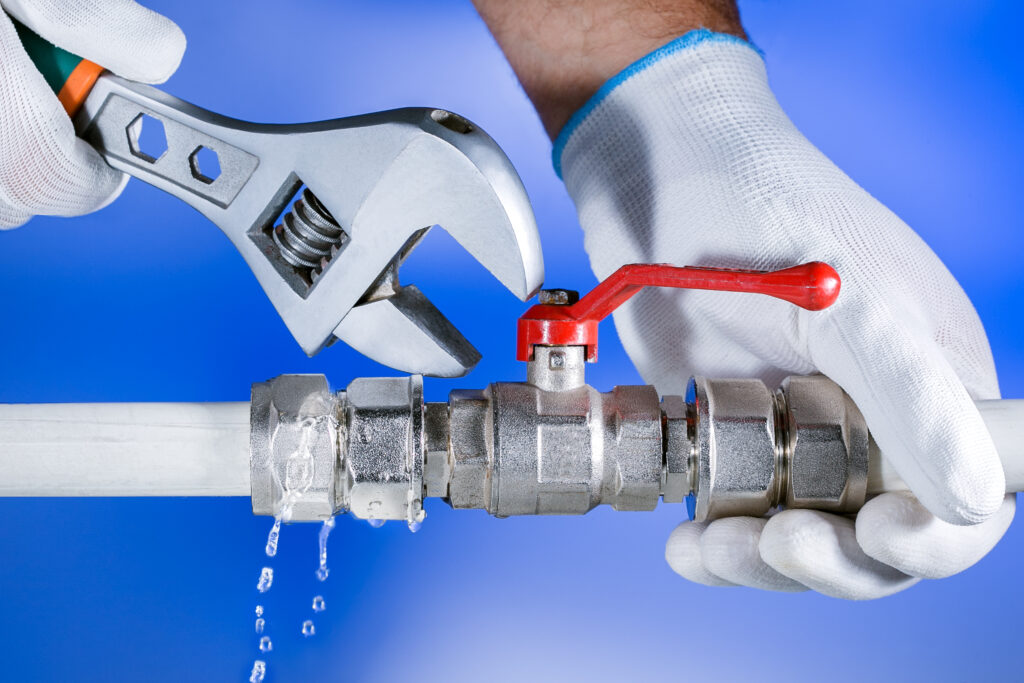
Mechanical rooms hold some of the most important plumbing equipment in a property. Water heaters, pressure regulators, shutoff valves, recirculation lines, backflow assemblies, pumps, and branch connections often run through the same space. These components work together every day. Once leaks keep showing up in that area, the room starts telling you that the plumbing system is under strain.
In Strongsville and across Northeast Ohio, commercial buildings often face pipe stress from aging materials, pressure swings, hard water buildup, freeze-thaw changes, and years of heavy demand. A maintenance team may fix one leak, dry the floor, and move on. Then another leak appears a few feet away. Then another. At that point, the question changes. It is no longer “How do we stop this drip?” It becomes “What is causing this system to keep failing?”
Ohio Buckeye Plumbing helps businesses identify the bigger plumbing issue behind repeated mechanical room leaks so repairs do more than buy a little time.
Why Mechanical Rooms Expose Bigger Plumbing Problems
Mechanical rooms often reveal plumbing trouble before the rest of the building does. That happens because many key connections sit in one concentrated area. Pressure changes hit there first. Heat cycles affect those pipes constantly. Maintenance work also happens there more often, which means early warning signs become easier to spot.
A leak in a ceiling space or behind a wall can stay hidden for a long time. A leak in a mechanical room usually becomes visible faster. That visibility is useful, but it can also create a false sense of control. A building team may assume that because they found and patched the leak quickly, the issue stayed small.
The truth is that repeated leaks in the same room often act like symptoms of a larger condition. The room itself is not always the real source of the problem. It may just be the first place where the stress shows up.
One Leak Can Be Local. Repeated Leaks Usually Are Not
A single leak can come from an isolated weak point. A fitting may loosen. A gasket may wear out. A valve may fail after years of use. Those things happen.
Repeated leaks are different. When multiple components begin leaking in the same general area, the system usually faces an underlying problem that keeps pushing new points to fail.
That larger problem may involve:
- water pressure that runs too high
- pressure spikes caused by failing control equipment
- thermal expansion stress
- corrosion inside older piping
- poor pipe support
- vibration from nearby equipment
- mineral buildup inside valves and fittings
- age-related wear across the system
A building that keeps fixing one leak at a time often spends money without actually reducing risk. The drip may stop at one connection, but the stress that caused it continues moving through the system.
High Pressure Creates Repeated Leak Patterns
Excess water pressure is one of the biggest causes of repeated mechanical room leaks. Pipes, valves, flex connectors, and seals all have pressure limits. A system that stays above normal operating range wears those components down faster.
The first sign may be a dripping relief valve or a sweating connection. A maintenance team may replace that single part and assume the issue is handled. Then another leak shows up on a nearby fitting. Then a valve stem starts dripping. Soon the pattern becomes clear.
Pressure problems often come from:
- failing pressure reducing valves
- thermal expansion with no proper control
- sudden pressure changes from pumps or supply conditions
- closed systems with stressed connections
Mechanical rooms hold the equipment most likely to reveal these issues. That is why repeated leaks in that space often point to pressure management trouble building-wide.
Thermal Expansion Puts Constant Stress on Pipes and Fittings
Hot water systems expand and contract every day. That movement is normal, but the plumbing system needs room and control for it. Without proper expansion management, repeated heating cycles place extra strain on fittings, valves, and tank connections.
Mechanical rooms often contain water heaters, boilers, recirculation lines, and related controls. These systems heat up, cool down, and repeat that cycle constantly. When thermal expansion is not controlled properly, weak points begin leaking one by one.
You may see:
- small leaks near water heater connections
- repeated drips from relief valves
- stressed solder joints or threaded fittings
- premature gasket failure
A repair to one leaking connection does not remove the expansion force behind it. Until the larger condition gets addressed, the next weak point may already be on its way to failure.
Corrosion Rarely Stays in One Spot
Corrosion is another major reason repeated leaks point to a broader problem. Corroded plumbing does not fail neatly one fitting at a time in random isolation. Once corrosion becomes active in a system, other nearby sections often face the same wear.
Mechanical rooms can accelerate this issue because they combine heat, moisture, metal fittings, and constant system movement. Corrosion may appear on older steel, copper, or brass components. It may also show where dissimilar metals meet or where mineral-heavy water interacts with aging pipe walls.
Common warning signs include:
- green or white residue around fittings
- rust staining beneath valves
- flaking or rough pipe surfaces
- repeated pinhole leaks in the same piping run
A business may replace one leaking section and still watch the next section fail a few months later. That pattern suggests the real issue is not a single bad fit. It is system-wide deterioration.
Vibration and Equipment Movement Can Damage Nearby Plumbing
Mechanical rooms often contain equipment that starts, stops, cycles, or hums throughout the day. Pumps, water heaters, compressors, and related systems create vibration. That motion may seem minor, but over time it loosens threaded joints, weakens supports, and stresses nearby fittings.
Repeated leaks near certain equipment may signal that vibration is shaking the plumbing system more than it should. Flexible connectors, hangers, and support points matter a lot in these spaces. Poor support allows movement to transfer directly into the pipe network.
That can lead to:
- loosened unions
- stressed solder joints
- repeated drips at connection points
- worn seals near pumps or valves
Fixing the leak without correcting the movement means the next failure is only a matter of time.
Hard Water Adds Wear Inside the System
Strongsville and much of Northeast Ohio deal with mineral-heavy water. Hard water does not just affect faucets and showerheads. It also builds scale inside commercial plumbing systems. That buildup narrows passageways, changes flow behavior, and places more strain on valves, water heaters, and branch connections.
In mechanical rooms, hard water problems often show up around:
- water heater connections
- recirculation lines
- shutoff valves
- pressure controls
- relief devices
Scale buildup can change how pressure moves through the system. It can also damage seals and create uneven wear. A repeated leak pattern in a building with hard water often points to internal buildup that is stressing more than one part at once.
Repeated Leaks Often Mean the Repair Strategy Is Too Narrow
Another reason repeated pipe leaks point to larger plumbing failure is simple: the repair approach may only address the visible problem.
A building team may call for a quick repair every time a leak appears. The plumber replaces the valve, fitting, or short pipe section. The leak stops. That local repair may be done correctly. Still, if no one checks pressure, corrosion, support, expansion control, or overall system age, the building never learns why the leaks keep happening.
Short repairs feel efficient in the moment. Over time, they often cost more because they do not reduce future risk.
A better strategy asks larger questions:
- Is system pressure stable?
- Are nearby components aging out together?
- Is corrosion active in more than one spot?
- Does this piping run have proper support?
- Is hot water expansion under control?
- Are multiple leaks connected by the same root cause?
Those questions help turn repeated emergencies into a real solution.
Downtime Risk Increases With Every “Small” Leak
A mechanical room leak may seem minor when it starts. The room still functions. Staff places a bucket under the drip. Maintenance cleans up water once or twice a day. Then a second leak starts. Then a valve fails harder overnight. At that point, the building may face service interruption, equipment shutdown, or water damage far beyond the room itself.
Repeated leaks increase the risk because they show that the margin of safety is shrinking. A system that keeps leaking in small ways may be moving toward one larger failure that affects hot water, domestic water supply, restrooms, kitchens, or tenant spaces.
For commercial properties, that means repeated leak patterns deserve attention before a bigger shutdown forces the decision.
What a Proper Investigation Should Include
A repeated mechanical room leak problem deserves a broader inspection, not just another quick patch. A professional evaluation should look at the room as part of the whole plumbing system.
That review may include:
- pressure testing and pressure regulator evaluation
- inspection of expansion control components
- review of water heater and recirculation connections
- assessment of corrosion across visible piping
- inspection of supports, hangers, and vibration points
- review of leak history and failed component patterns
- examination of water quality factors
This kind of investigation helps identify why the failures keep clustering in the same space. It also helps building owners plan repairs that actually change the system’s future performance.
Why Early Action Protects the Whole Building
Mechanical room leaks do not stay in the mechanical room forever. They can affect equipment, electrical components, building materials, utility costs, and occupant comfort. Repeated leaks also drain maintenance time and push businesses into a constant cycle of reacting.
Early action protects more than the leaking pipe. It protects the building’s water service, hot water reliability, and operational stability. Once the larger cause gets identified, a business can repair the right parts in the right order instead of waiting for the next drip to decide the next move.
Ohio Buckeye Plumbing helps commercial properties in Strongsville and across Northeast Ohio find the system issue behind repeated mechanical room leaks so repairs lead to real stability, not just temporary relief.
FAQs
Does one mechanical room leak always mean a bigger plumbing problem?
Not always. One leak can come from a single worn part, but repeated leaks in the same area usually point to a larger system issue.
What is one common reason leaks keep returning in mechanical rooms?
High water pressure and poor pressure control often cause repeated leaks in valves, fittings, and nearby piping.
Can hard water contribute to repeated pipe leaks?
Yes. Hard water causes mineral buildup that stresses valves, fittings, and hot water components over time.
Why do leaks often show up first in the mechanical room?
Mechanical rooms hold major plumbing equipment and connection points, so system stress often becomes visible there first.
Should a business keep repairing leaks one at a time?
A single repair may stop one drip, but repeated leaks need a broader plumbing inspection to find the root cause.
Ohio Buckeye Plumbing helps Strongsville and Northeast Ohio businesses solve repeated mechanical room leaks before larger failures happen. Call (440) 283-9377.