


Why Repeated Toilet Repairs Signal the Need for Full Fixture Replacement
A toilet should work every single time you press the handle. It should flush completely, refill quietly, and stay leak free. When problems keep coming back, frustration builds fast. Many homeowners and property managers in Strongsville, OH and throughout Northeast Ohio try to fix the same toilet again and again. A new flapper here. A new fill valve there. Maybe a handle replacement. For a while, it seems fine. Then the problem returns.
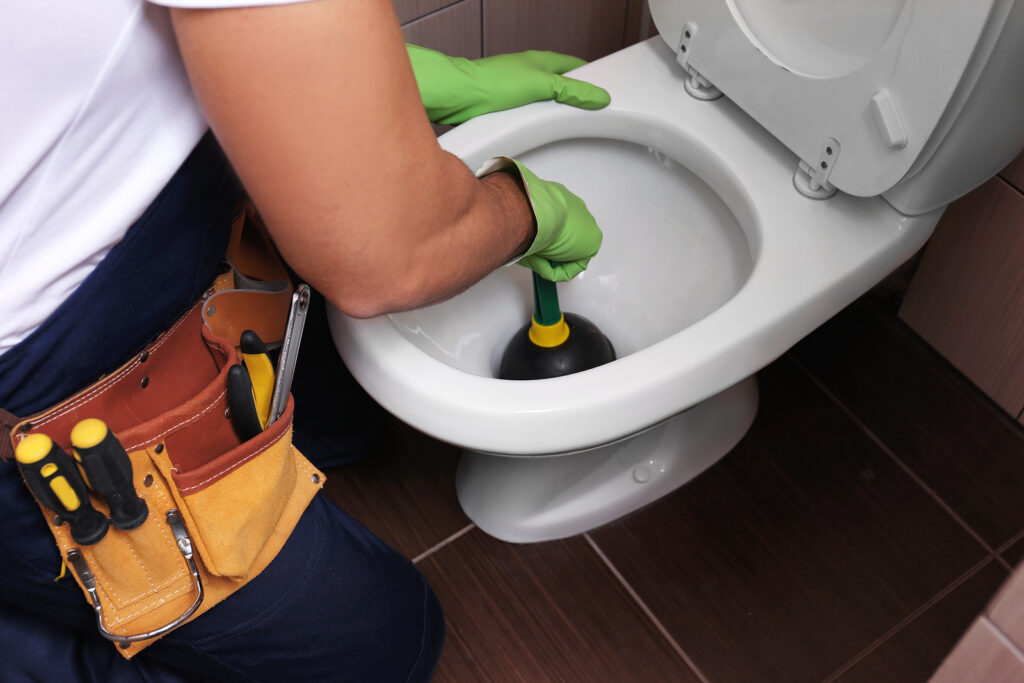
Repeated toilet repairs often signal a bigger issue. At some point, replacing the entire fixture makes more sense than continuing to patch worn-out parts. Ohio Buckeye Plumbing helps property owners understand when repairs no longer solve the root problem and why full replacement can provide long-term reliability.
The True Cost of Ongoing Toilet Repairs
Small toilet repairs appear simple. Replacing a flapper or fill valve takes little time. Many people see these fixes as minor upkeep. The problem starts when those small repairs become frequent.
A toilet that needs attention every few months often hides deeper wear inside the tank or bowl. Internal components age together. Replacing one worn part does not restore the rest of the system. Seals lose flexibility. Plastic parts weaken. Mineral buildup affects moving pieces.
In multi-unit buildings, frequent toilet repairs also disrupt tenants. Maintenance teams spend time revisiting the same unit. Water waste from running toilets increases utility bills.
Instead of solving the issue permanently, repeated repairs turn into a cycle. That cycle signals that the fixture itself may have reached the end of its useful life.
Signs That Repairs Are No Longer Enough
Toilets rarely fail all at once. They show warning signs. Property owners in Strongsville should pay attention to these patterns:
- The toilet runs even after multiple part replacements
- The bowl does not flush completely
- Cracks appear around the base or tank
- The toilet rocks despite tightening bolts
- You notice leaks around the base
- The toilet uses excessive water with each flush
When several of these issues show up together, replacing individual components will not fix the structural wear inside the fixture.
Older toilets also lack modern efficiency standards. Even when they work, they may waste water compared to newer designs.
Mineral Buildup and Internal Wear
Northeast Ohio water often contains minerals that accumulate inside plumbing fixtures. Over time, scale forms around moving parts inside the tank. That buildup interferes with flappers, flush valves, and fill mechanisms.
Mineral deposits also restrict rim jets and siphon holes inside the bowl. As a result, flush performance weakens. Users press the handle longer or flush twice, which wastes water and increases strain on internal parts.
Cleaning can remove some buildup, but older porcelain surfaces often develop rough areas that attract more deposits. After years of exposure, performance declines steadily.
At that stage, replacement restores strong flush power and reliable operation.
Structural Cracks and Hidden Leaks
Toilet bowls and tanks endure constant pressure and temperature changes. Small cracks can form near bolt holes, tank corners, or the base. These cracks may not leak at first. Over time, they expand.
Hairline cracks can allow slow water seepage that damages flooring beneath the toilet. In commercial or multi-unit buildings, that hidden moisture can affect ceilings below.
Once porcelain cracks, no repair can permanently fix it. Replacing parts inside the tank will not solve a structural flaw in the fixture itself. Replacement becomes the safest solution.
Worn Mounting and Stability Problems
A toilet that rocks back and forth signals trouble. Movement can break the wax seal underneath, leading to sewer odors or leaks around the base. Tightening bolts might stabilize it temporarily, but repeated rocking suggests underlying issues.
Older toilets may not sit properly due to uneven flooring or warped bases. Over time, stress on the fixture increases.
Installing a new toilet allows proper leveling, new mounting hardware, and a secure wax seal. Stability protects both the plumbing system and the flooring around it.
Water Efficiency and Modern Performance
Many toilets installed decades ago use significantly more water per flush than modern fixtures. Even if they still function, they waste water daily.
Newer models provide stronger flush performance while using less water. Improved bowl design and trapway shape enhance clearing power. This combination reduces clogs and improves reliability.
For property owners managing multiple units in Strongsville, upgrading older toilets can reduce water usage building-wide. Less strain on plumbing systems also decreases maintenance calls. Replacing aging toilets benefits both performance and long-term efficiency.
Repeated Repairs in Commercial and Multi-Unit Properties
Apartment complexes, office buildings, and retail spaces in Northeast Ohio experience heavy restroom use. Commercial toilets face higher demand than residential fixtures.
When maintenance teams repeatedly service the same toilet, downtime increases. Tenants or customers may view ongoing plumbing issues as neglect.
Preventive replacement planning allows property managers to upgrade aging fixtures before they fail completely. Replacing several older units at once can reduce future service calls and improve reliability across the building.
Ohio Buckeye Plumbing helps managers assess which fixtures show signs of wear and create a structured upgrade plan.
How Professionals Determine When to Replace
A licensed plumber evaluates more than just the visible problem. During inspection, they check:
- Age of the fixture
- Condition of internal components
- Water efficiency
- Signs of cracking or instability
- Performance consistency
If multiple components show wear or structural damage exists, replacement often makes more sense than another repair.
Property owners benefit from honest guidance. Sometimes a simple repair works. Other times, a full fixture upgrade prevents recurring headaches.
The Value of Long-Term Reliability
Reliable plumbing supports daily routines. A toilet should never cause stress or uncertainty. Replacing an aging fixture removes the worry of unexpected failure. Modern toilets offer smoother operation, quieter refilling, and better performance. Once installed correctly, they require less maintenance.
Instead of calling for repairs every few months, property owners enjoy steady performance year-round. That peace of mind carries real value.
Ohio Buckeye Plumbing provides professional toilet replacement services for homes and commercial properties in Strongsville and throughout Northeast Ohio. Our team ensures proper installation, secure mounting, and dependable function from day one.
Frequently Asked Questions
How many repairs are too many for a toilet?
If you repair the same toilet several times within a year, replacement may provide a better long-term solution.
Can cracks in a toilet be repaired?
Porcelain cracks cannot be permanently repaired. Replacement becomes necessary for safety.
Do newer toilets clog less?
Modern designs improve flush performance and reduce the likelihood of repeated clogs.
Is it normal for a toilet to rock slightly?
No. Movement indicates mounting or floor issues that require correction.
Should apartment complexes replace toilets proactively?
Yes. Proactive replacement reduces maintenance calls and improves tenant satisfaction.
Stop repeated toilet repairs in Strongsville and Northeast Ohio. Call Ohio Buckeye Plumbing at (440) 283-9377 for reliable fixture replacement.