


Why Sewer Repairs Keep Failing When Pipe Slope Problems Go Uncorrected
A sewer repair should solve a problem, not buy a little time before the next backup. Yet many homeowners and property managers deal with the same sewer issue again and again. A section gets repaired, a blockage gets cleared, the line works for a while, and then the slow drains, gurgling toilets, and basement backups come back. That cycle frustrates people for a simple reason: the real problem often never gets fixed.
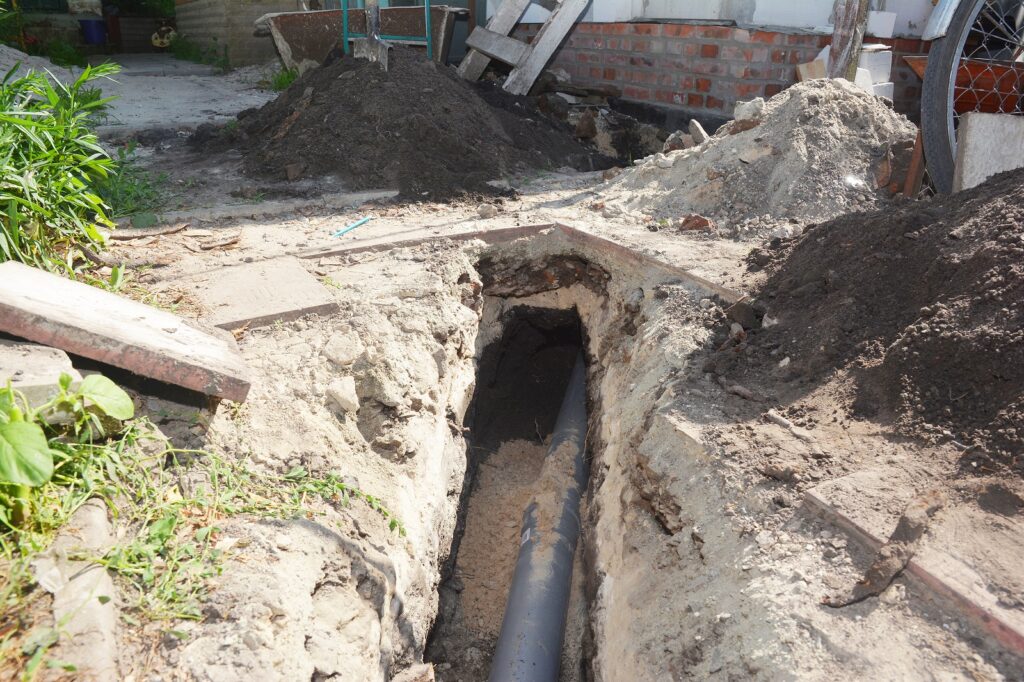
One of the most common reasons repeated sewer trouble happens is poor pipe slope. Sewer lines depend on gravity. Wastewater needs a steady downhill path to move away from the house or building. When that slope is wrong, repairs on cracks, roots, or damaged joints may help briefly, but they do not solve the drainage problem underneath everything else.
In Strongsville and across Northeast Ohio, soil movement, older sewer materials, and years of ground settlement often create slope issues that stay hidden until a camera inspection reveals them. Ohio Buckeye Plumbing helps property owners identify those hidden problems so repairs do not keep failing for the same reason.
What Pipe Slope Actually Means
A sewer line does not need a steep drop, but it does need the right one. Pipe slope refers to the gradual downward angle that allows wastewater and solids to move through the line at the same time. The goal is a steady flow.
A sewer line with the correct slope allows water to carry waste efficiently. A line with too little slope lets solids settle and collect. A line with too much slope can create a different problem, where water outruns solids and leaves them behind. In both cases, the sewer line becomes more likely to clog, smell, and back up.
Most homeowners never see this part of the system. The pipe sits underground, so slope problems stay out of sight until symptoms show up inside the house or business.
Why a Sewer Repair Can Fail Even After Good Work
A sewer repair can be done correctly and still not solve the bigger issue. That does not always mean the repair itself was poor. It often means the damaged area was only part of the problem.
For example, a plumber may repair a cracked section of pipe or remove a root intrusion point. That section may now be sound and watertight. But if the repaired section still sits within a line that sags, rises, or pitches incorrectly, flow problems continue. Waste still slows down or settles in the same general area. Over time, buildup returns.
This leads to repeated problems such as:
- slow drains in multiple fixtures
- recurring sewer backups
- frequent need for snaking
- standing water inside the pipe
- sewer odors around the property
A repair that ignores slope can feel like progress at first, then turn into another service call a few months later.
How Slope Problems Start
Pipe slope problems usually develop over time. In Northeast Ohio, several local conditions contribute to them.
Soil settlement plays a major role. Ground shifts naturally over the years. Heavy rainfall, freeze and thaw cycles, and soil compression under driveways or walkways can all affect pipe alignment. Older clay and cast-iron sewer lines are especially vulnerable because they do not flex well once movement begins.
Common causes of slope issues include:
- settling soil under the line
- poor support under the original installation
- movement caused by tree roots
- heavy surface loads such as vehicles
- past repairs that corrected one section but not the full run
- aging pipe materials that shift at the joints
A small dip in the line may not seem serious at first. Over time, it becomes a place where waste and paper collect. That low spot then turns into the center of repeated trouble.
What Happens When the Sewer Line Has Too Little Slope
Too little slope creates one of the most common sewer line problems: waste slows down and begins to settle before it leaves the pipe. Water may still pass through, but solids collect in the lower section. Each flush or drain adds more material.
This causes a pattern that many property owners recognize. Drains start running slowly. Toilets may flush with less force. A sewer cleaning may restore flow temporarily, but the issue returns because the slope has not changed.
A line with a poor slope often develops:
- sludge buildup
- paper accumulation
- grease settling in horizontal sections
- repeated root catches at low points
- foul odors from standing waste
A repair that seals a crack or replaces a joint will not stop this cycle unless the line’s fall gets corrected, too.
What Happens When the Sewer Line Has Too Much Slope
People often assume a steeper sewer line must be better, but that is not true. Wastewater needs balance. If the line drops too sharply, water can rush through too fast and leave heavier solids behind. Those solids then dry, collect, and form partial blockages.
This type of slope problem is less discussed, but it still causes repeated failures. A line may appear open during inspection, yet still experience chronic buildup because the carrying action inside the pipe is off.
In homes and commercial properties with recurring clogs despite regular cleaning, pipe pitch deserves a closer look.
Why Camera Inspections Matter So Much
A sewer camera inspection does more than find roots or cracks. It shows how the line behaves. Standing water, repeated low spots, and visible dips often reveal slope problems that a standard drain cleaning cannot explain.
Without a camera, repeated repairs often rely on symptoms. A property owner sees a backup, calls for help, gets the line opened, and assumes the issue is fixed. The root problem stays underground and untouched.
A camera inspection helps reveal:
- bellies in the line where water sits
- sections that shifted out of alignment
- spots where repairs did not restore the proper grade
- low areas catching waste repeatedly
- full pipe condition from one end to the other
This is one of the biggest differences between a short-term fix and a long-term solution.
Why Spot Repairs Sometimes Make the Problem Worse
Spot repairs make sense in many situations. A single broken section near a tree root may only need a targeted replacement. The problem comes when a spot repair is installed into a line that already had a poor slope before the repair started.
A new section may restore integrity at one point but create a mismatch with the surrounding pipe. The repaired section itself may stay sound while the overall flow still fails.
This can happen when:
- only the visible damaged area gets replaced
- the trench gets restored without correcting grade
- the surrounding pipe still sags on either side
- a cleanout gets added but the pitch remains wrong
The result is frustrating for the homeowner because the repair was real, but the recurring backup is also real.
Why Northeast Ohio Homes See This Problem So Often
Strongsville and nearby communities include many older homes with aging sewer laterals. Clay tile, cast iron, and older installation methods create more opportunities for slope trouble as years pass. Cold winters also matter. Freeze and thaw movement can shift underground piping in ways that do not become obvious until backups begin.
Homes with mature landscaping and long sewer runs are especially vulnerable. Soil under lawns, sidewalks, and driveways rarely stays perfectly stable forever. Once the line loses proper support, low spots and offsets can form.
That is why repeated sewer cleaning alone often stops working. The issue is not just what is inside the pipe. It is the shape and support of the pipe itself.
What a Real Long-Term Solution Looks Like
A long-term sewer solution starts with a full understanding, not just immediate relief. That means inspecting the line, locating the troubled section, and deciding whether the issue involves damage, slope, or both.
A proper long-term approach may include:
- camera inspection of the full line
- locating low spots and measuring affected sections
- excavating and regrading the trench where needed
- replacing failed pipe with proper support underneath
- installing bedding that helps the pipe maintain pitch
- testing flow before closing the job
This kind of repair takes more planning, but it prevents the repeated cycle of clearing the same line over and over.
Signs Slope Problems May Be Behind Repeated Sewer Trouble
Some sewer problems point strongly toward grade issues rather than a single blockage.
Watch for patterns such as:
- backups that keep returning in the same part of the home
- sewer line that clears, then clogs again within months
- multiple drain issues without a major visible obstruction
- standing water seen during a prior inspection
- gurgling after previous repairs
- repeated trouble after rain or seasonal ground changes
These signs suggest the problem may not just be roots, grease, or paper. It may be the line’s ability to carry waste at all.
Why It Is Worth Fixing the Cause Instead of the Symptom
A recurring sewer problem drains time, money, and patience. More importantly, it raises the risk of damage inside the home or building. Backups can affect floors, walls, finished basements, and daily routines.
A repair that fixes the slope protects more than the pipe. It protects the property from ongoing disruption. It also gives the homeowner or manager confidence that the issue has been handled fully.
Ohio Buckeye Plumbing works with property owners in Strongsville and throughout Northeast Ohio to identify the full cause of recurring sewer trouble. That means not just seeing where the pipe is damaged, but understanding how the line is supposed to carry waste and where that process is breaking down.
FAQs
What is pipe slope in a sewer line?
Pipe slope is the slight downhill angle that allows wastewater and solids to move through the sewer line properly.
Can a sewer line still clog after a repair if the pipe is not broken?
Yes. A sewer line can keep clogging when a poor slope causes waste to settle even after a damaged section gets repaired.
What is a belly in a sewer line?
A belly is a low spot in the sewer line where water collects instead of flowing through smoothly.
How do plumbers find sewer slope problems?
Plumbers often use video camera inspections to spot standing water, dips, and alignment issues inside the line.
Will drain cleaning fix a slope problem?
No. Drain cleaning may restore flow temporarily, but it does not correct the pitch of the pipe.
Ohio Buckeye Plumbing helps solve recurring sewer problems in Strongsville and Northeast Ohio. Call (440) 283-9377 for expert sewer inspections and repair.