


7 Warning Signs of a Gas Leak in Your Home You Should Never Ignore
A gas leak rarely announces itself with only one obvious sign. The rotten egg smell most people expect can fade or disappear under certain conditions, which is why knowing the other warning signs, a hissing sound, dead vegetation in a specific patch, bubbles in a puddle, or symptoms that ease when you leave the house, matters just as much as your sense of smell. Ohio Buckeye Plumbing is licensed by the Ohio Construction Industry Licensing Board (OCILB), carries full general liability and workers’ compensation insurance, and holds an A+ accreditation with the Better Business Bureau. Our residential gas line service team provides 24/7 emergency response throughout Northeast Ohio. Read verified reviews on Google, Angi, and HomeAdvisor. If you suspect a leak right now, leave the house first and call (440) 283-9377 once you are safely outside.
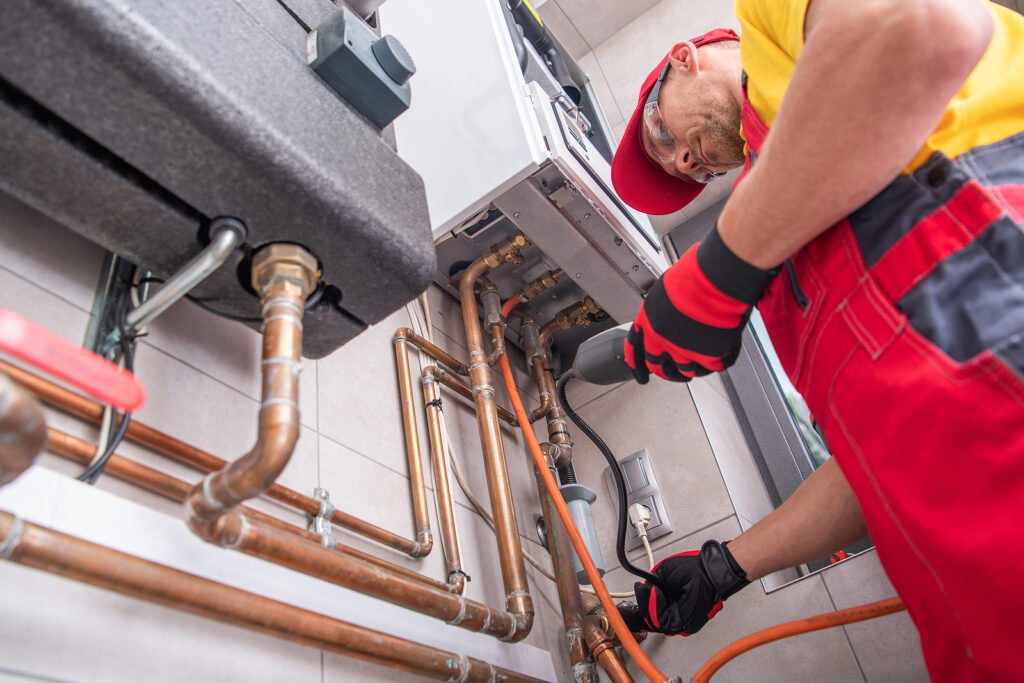
The 7 Warning Signs of a Gas Leak
1. The Rotten Egg or Sulfur Smell
Natural gas is odorless in its raw state. Gas utilities add an odorant, most commonly mercaptan, specifically so a leak is detectable by smell, and it is often described as resembling rotten eggs, sulfur, or rotting cabbage. This is the sign most people know to watch for, and it remains the fastest way to notice a leak in most situations. The Pipeline and Hazardous Materials Safety Administration (PHMSA) identifies this odor as the primary consumer warning signal for a natural gas leak, though as covered below, it is not always reliable on its own.
2. A Hissing or Whistling Sound Near a Gas Line or Appliance
A hissing, whistling, or roaring sound near a gas meter, appliance connection, or any visible section of gas line usually means gas is escaping under pressure through a loose fitting, a cracked connector, or a failed seal. This sound is often easiest to notice in a quiet room or at night, and it should be treated with the same urgency as smelling gas directly.
3. Dead or Dying Vegetation in a Specific Patch
An underground gas leak can displace oxygen in the surrounding soil, suffocating plant roots and killing grass or landscaping in a defined patch or line pattern that follows the buried pipe route, even while the rest of the yard stays healthy. This is different from the uniform browning caused by drought or normal seasonal dieback, and a distinct dead strip or patch near where a gas line is known or suspected to run is worth investigating.
4. Bubbles in Standing Water or Puddles
If gas escaping from a buried line travels upward through saturated soil, it can create visible bubbling in a puddle, a low spot in the yard, or standing water near a ditch. This is one of the more reliable visual signs of an underground leak, since it does not depend on wind carrying an odor toward you.
5. Physical Symptoms That Ease When You Leave the House
Headache, dizziness, nausea, fatigue, and irritation of the eyes, nose, or throat can all result from gas exposure, even in situations where the odorant has faded below a noticeable level. A useful pattern to watch for is whether these symptoms consistently improve after leaving the home and return after being back inside for a while, which points toward an indoor air issue that may be gas-related.
6. A Pilot Light That Frequently Goes Out or Burns Unusually
A pilot light that will not stay lit, or one that burns with a flickering yellow or orange flame instead of a steady blue one, indicates something in the gas supply or appliance connection is not functioning as designed. Not every instance means an active leak, but it signals a gas-related problem that warrants a professional inspection rather than repeatedly relighting it without understanding the cause.
7. Visible Damage, Corrosion, or Dents on a Gas Line or Connector
Physical damage to an exposed gas line or appliance connector, including corrosion, dents, kinks, or cracked fittings, is a direct warning sign even without an accompanying smell or sound. This kind of damage commonly results from nearby digging, a struck line, or age-related deterioration, and any visible damage should be treated as a reason to shut off gas to the affected appliance if it is safe to do so and call for inspection.
Why You Should Not Rely on Smell Alone
A phenomenon called odor fade can reduce or eliminate the rotten egg smell that gas utilities rely on as the primary consumer warning signal. Odor fade occurs when the added odorant is absorbed into pipe material or breaks down through oxidation before it reaches you, and it is most pronounced in new steel gas piping, particularly larger diameter and longer runs. This means a newly installed or recently modified gas line is a situation where smell alone is least trustworthy, which is exactly why the other six signs above matter just as much as your nose. Federal regulation under 49 CFR 192.625 requires gas to be odorized so it is readily detectable under normal conditions, but that regulation cannot account for every real-world scenario where odor fade occurs.
What to Do If You Suspect a Gas Leak
- Do not operate anything electrical. Avoid light switches, appliances, garage door openers, and phones, including your cell phone, since any of these can create a spark.
- Leave the house immediately. Take everyone with you, including pets, and do not stop to search for the source of the leak.
- Call from a safe distance. Once you are outside and away from the property, call your gas utility’s emergency line and 911 if you believe there is immediate danger.
- Do not attempt to shut off a gas valve yourself unless you already know its exact location and can reach it without re-entering an affected area.
Wait for confirmation before returning. Do not go back inside until your gas utility or emergency responders confirm it is safe to do so.
After the Emergency Is Resolved: Inspection and Repair
Once your gas utility and emergency responders have confirmed the situation is safe, the next step is identifying and correcting the actual cause so the same issue does not recur. Ohio Buckeye Plumbing provides gas line installation, repair, and pressure testing throughout Northeast Ohio, including diagnosis of aging or damaged gas piping in older homes. Pressure testing confirms the repaired line holds properly before it is returned to service, and all gas work is completed with required permits and in compliance with Ohio gas code. If your gas leak was related to a specific appliance connection, such as adding a line for an outdoor grill or fire pit, our blog on adding a gas line for an outdoor grill or fire pit in Ohio covers what a properly permitted installation involves.
Why Northeast Ohio Homeowners Choose Ohio Buckeye Plumbing for Gas Line Service
Read verified reviews on Google, Angi, and HomeAdvisor
| What We Offer | What It Means for You |
| Licensed by Ohio OCILB | State-certified plumbing expertise on every residential and commercial job |
| Fully Insured: General Liability + Workers Compensation | Zero liability on your property if anything goes wrong |
| BBB Accredited, A+ Rating | Third-party verified track record of customer satisfaction throughout Northeast Ohio |
| 24/7 Emergency Service | We respond at any hour for leaks, backups, and urgent plumbing situations |
| 20+ Years Serving Northeast Ohio | Deep local knowledge of infrastructure, code requirements, and permit processes |
| Family-Owned Local Business | You are treated like a neighbor, not a service ticket |
| Upfront Pricing Before Any Work Begins | No surprise charges on your invoice |
| 100% Satisfaction Guarantee | We stand behind every diagnosis, repair, and installation we perform |
Frequently Asked Questions: Gas Leak Warning Signs
What are the most common warning signs of a gas leak in a home?
The most common warning signs are a rotten egg or sulfur smell, a hissing or whistling sound near a gas line or appliance, dead or dying vegetation in a specific patch despite adequate water, bubbles in standing water or puddles near the yard, physical symptoms such as headache, dizziness, or nausea that ease when you leave the house, a pilot light that frequently goes out or burns with an unusual flame color, and visible damage or corrosion on a gas line or connector. Any one of these on its own is worth taking seriously, and the presence of more than one increases the urgency to leave the area and call for help.
Can I always smell a gas leak even if there is one?
No. Natural gas is naturally odorless, and the rotten egg smell comes from an odorant added specifically so leaks are detectable. A phenomenon called odor fade can still reduce or eliminate that smell under certain conditions, particularly in new pipe installations. This means the absence of a smell does not guarantee the absence of a leak, which is why other warning signs, such as a hissing sound, dead vegetation, or physical symptoms, matter even when nothing smells wrong.
What does natural gas actually smell like and why?
Natural gas in its raw state has no odor at all. Gas utilities add a chemical odorant, most commonly a compound called mercaptan, specifically so that a leak is detectable by smell. Mercaptan is often described as smelling like rotten eggs, sulfur, or rotting cabbage. Federal regulation under 49 CFR 192.625 requires that combustible gas in a distribution line be odorized so it is readily detectable by a person with a normal sense of smell at a concentration well below the point where it would become dangerous.
What is odor fade and why does it matter for detecting gas leaks?
Odor fade is a reduction in the intensity of the added gas odorant caused by physical or chemical processes such as absorption into new pipe material or oxidation. It occurs most commonly in newly installed steel gas piping, particularly larger diameter and longer runs, where the odorant is absorbed into the pipe surface before it ever reaches your home. Because of odor fade, gas utilities and safety authorities caution against relying on smell as the only method of leak detection, especially around new gas work, which is part of why a broader list of warning signs matters.
What should I do immediately if I smell gas in my home?
Do not turn any light switches, appliances, or electronics on or off, and do not use a landline or cell phone while inside the home. Leave the house immediately, taking everyone with you, and once you are safely outside and away from the building, call your gas utility’s emergency line or 911. Do not attempt to locate the source of the leak yourself, and do not try to shut off a gas valve unless you already know exactly where it is and can do so without re-entering an affected area.
Should I turn on a light or use my phone if I suspect a gas leak?
No. Any electrical switch, including a light switch, garage door opener, or phone, can create a small spark. In a space where gas has accumulated, that spark is enough to ignite it. This is why the standard safety guidance is to avoid operating anything electrical, including your cell phone, until you are already outside and at a safe distance from the property.
Can a gas leak make me feel sick even if I cannot smell it?
Yes. Natural gas exposure can cause headache, dizziness, nausea, fatigue, and irritation of the eyes, nose, or throat, and these symptoms can occur even in situations where odor fade has reduced the smell below what you would notice. A useful pattern to watch for is whether symptoms consistently improve after leaving the house and return after being back inside for a while, which points toward an indoor air quality issue that may be gas-related rather than an unrelated illness.
Why would a patch of grass or plants die near a buried gas line?
An underground gas leak displaces oxygen in the soil around the leak point, which can suffocate plant roots and kill vegetation in that specific area even while the surrounding lawn remains healthy and green. This typically shows up as a defined dead or dying patch or a line pattern following the buried pipe route, rather than the uniform browning you would expect from drought or seasonal dieback.
What causes a hissing sound near a gas appliance or line?
A hissing or whistling sound near a gas appliance, meter, or visible section of line usually indicates gas escaping under pressure through a small opening, such as a loose fitting, a cracked connector, or a failed seal. This sound is often most noticeable in a quiet room or at night when background noise is lower, and it should be treated as an active leak indicator requiring the same evacuation and reporting steps as any other warning sign.
Can a pilot light going out repeatedly indicate a gas problem?
A pilot light that will not stay lit or keeps extinguishing can indicate several issues, ranging from a simple thermocouple problem to inadequate gas pressure or flow reaching the appliance. While not every repeated pilot light failure means there is a leak, it does indicate something in the gas supply or appliance connection is not functioning correctly and warrants a professional inspection rather than repeatedly relighting it without understanding the cause.
How can bubbles in a puddle indicate an underground gas leak?
If gas escaping from a buried line travels upward through wet or saturated soil, it can create visible bubbling in a puddle, a low spot in the yard, or standing water near a ditch or drainage area. This is one of the more reliable visual signs of an underground leak because it does not depend on wind direction or being close enough to smell an odor that may have already dispersed outdoors.
Who should I call if I suspect a gas leak in my home?
From a safe location outside the home, call your natural gas utility’s emergency reporting line, which is typically available 24/7, and call 911 if you believe there is an immediate danger. After the utility and emergency responders have confirmed the situation is safe, contact a licensed plumber for gas line inspection and repair so the underlying cause is identified and fixed rather than just addressed as a one-time emergency response.
Does Ohio Buckeye Plumbing provide emergency gas line service?
Yes. Ohio Buckeye Plumbing provides 24/7 emergency gas line service throughout Strongsville, Cleveland, and all of Northeast Ohio. Once your gas utility and emergency responders have confirmed it is safe to proceed, our licensed plumbers diagnose the source of the leak, perform the repair, and pressure test the line before it is returned to service, all completed with required permits and in compliance with Ohio gas code.
How can I prevent gas leaks in my home going forward?
Schedule periodic gas line inspection and pressure testing, particularly for older homes with aging gas piping, have any gas appliance installation or modification performed by a licensed plumber rather than as a do-it-yourself project, avoid digging or landscaping near known gas line routes without calling 811 first, and address a pilot light that will not stay lit or any suspected connector damage promptly rather than waiting. Ohio Buckeye Plumbing’s gas line service includes inspection and pressure testing that can catch a developing issue before it becomes an active leak.
How do I schedule gas line inspection or repair with Ohio Buckeye Plumbing?
Call Ohio Buckeye Plumbing at (440) 283-9377 or submit a request online at ohiobuckeyeplumbing.com. We provide 24/7 emergency gas line service and standard gas line installation, repair, and pressure testing throughout Strongsville, Cleveland, and all of Northeast Ohio. We are BBB-accredited with an A+ rating, licensed through Ohio OCILB, and back every job with a 100% satisfaction guarantee.
When to Call Ohio Buckeye Plumbing About a Gas Line Concern
Ohio Buckeye Plumbing provides 24/7 emergency gas line service throughout Strongsville, Cleveland, and all of Northeast Ohio. We are licensed through the Ohio Construction Industry Licensing Board and hold an A+ BBB accreditation. The PHMSA provides additional federal guidance on pipeline leak recognition and response. Once your gas utility and emergency responders have confirmed your home is safe, call (440) 283-9377 for inspection, repair, and pressure testing of your gas line.
Schedule Gas Line Service in Northeast Ohio
Ohio Buckeye Plumbing is BBB-accredited with an A+ rating, licensed through Ohio OCILB, and available 24/7 for gas line emergencies. Call (440) 283-9377 today. Every job is backed by our 100% satisfaction guarantee.