


What Happens During a Commercial Backflow Test? A Step-by-Step Guide
A commercial backflow test follows a specific, standardized sequence: a certified tester isolates your assembly, connects a calibrated gauge to the device’s test cocks, measures whether each internal check valve holds the required pressure, and files the results with your water authority. The whole process typically takes 20 to 45 minutes per device. Ohio Buckeye Plumbing is licensed by the Ohio Construction Industry Licensing Board (OCILB), carries full general liability and workers’ compensation insurance, and holds an A+ accreditation with the Better Business Bureau. Our commercial backflow services team performs certified annual testing throughout Northeast Ohio and handles repair or replacement on the spot when a device does not pass. Read verified reviews on Google, Angi, and HomeAdvisor. Call (440) 283-9377 to schedule your backflow test.
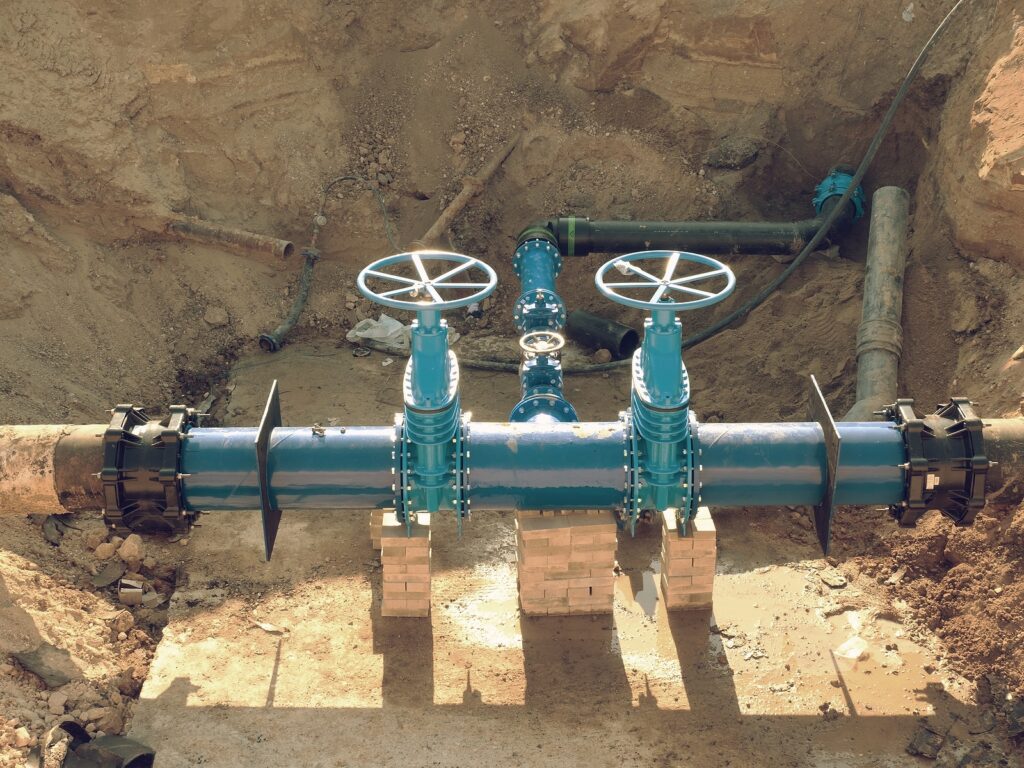
Why Commercial Properties Are Required to Test Annually
A backflow preventer is a mechanical device with internal check valves that can wear over time from sediment, mineral scale, or ordinary use, the same way any valve in a plumbing system degrades. A valve that sealed correctly at installation is not guaranteed to still seal correctly a year later, which is why the Ohio EPA and local water authorities like the Northeast Ohio Regional Sewer District (NEORSD) require documented annual testing rather than treating installation as a one-time compliance event. Commercial properties are classified as moderate to high hazard by default because irrigation systems, boiler systems, fire suppression, and commercial kitchen equipment all create potential cross-connections to non-potable water. Annual testing is the only way a water authority can confirm the device installed years ago is still doing its job today.
Before the Tester Arrives: What to Expect
Scheduling a backflow test typically starts with the water authority sending a reminder notice ahead of your annual due date, or your own maintenance schedule flagging the requirement. When you book with Ohio Buckeye Plumbing, we confirm the device location, note any access considerations such as a locked mechanical room or rooftop location, and let you know whether the test will require a brief interruption to your general water service or only to an isolated line such as irrigation. Clear access to the assembly beforehand is the single biggest factor in keeping the visit efficient.
The Backflow Test Process, Step by Step
- Device identification: The tester records the make, model, serial number, and exact location of the assembly before beginning, which becomes part of the official test report.
- Notification and isolation: Any affected staff or tenants are notified of a brief water interruption, and the assembly is isolated from the rest of the system so testing does not affect unrelated plumbing.
- Gauge connection: A calibrated differential pressure gauge is connected to the numbered test cocks on the device, and air is bled from the hoses to ensure accurate readings.
- Check valve testing: The tester measures the pressure differential across each internal check valve. Each valve must hold the minimum pressure specified for that assembly type to pass.
- Relief valve testing (RPZ only): On a reduced pressure zone assembly, the tester additionally verifies that the relief valve opens at the correct pressure point and discharges as designed.
- Recording results: Every reading, the gauge’s serial number and calibration date, the tester’s certification number, and the pass or fail outcome are documented on the official report.
- Tagging the device: A tag recording the test date and result is placed on the physical assembly so the next tester or a utility inspector can see its history at a glance.
- Submitting the report: The completed report is filed with your water authority, typically through an online compliance portal, within the window that authority requires.
What Happens If the Device Fails the Test
A failed test most often traces back to worn rubber seals, a fouled valve seat, or a spring that has lost tension inside the assembly, all of which are mechanical wear issues rather than installation defects. Many of these are repairable on-site with a rebuild kit, after which the device is retested in the same visit to confirm the repair resolved the issue. When internal components cannot be reliably restored, or the housing itself is cracked or damaged, replacing the assembly with a new code-compliant device is the appropriate next step, followed by a retest of the new unit. Most water authorities allow a window, commonly 30 to 90 days, to complete repairs or replacement and file a passing retest before a property is flagged as non-compliant.
RPZ, DCVA, and PVB: Why Testing Differs by Device Type
The core test method, isolating the device and measuring check valve performance with a calibrated gauge, applies across all backflow assembly types, but the specifics vary. A double check valve assembly (DCVA) test focuses solely on the two check valves. A reduced pressure zone (RPZ) assembly adds a relief valve test on top of the check valve measurements, which is why RPZ testing generally takes a few minutes longer. A pressure vacuum breaker (PVB), common on irrigation systems, has its own installation and testing requirements tied to how it is mounted. Our blog on backflow device types for businesses, comparing RPZ, DCVA, and PVB covers which assembly type is typically required for different commercial applications in more detail.
How to Prepare Your Commercial Property for a Backflow Test
- Confirm access: Make sure the area around the assembly, including any locked mechanical rooms or rooftop access, is reachable on the scheduled day.
- Notify affected staff: Let relevant employees or tenants know that a brief water interruption may occur during the test window.
- Have prior test records available: If a previous test flagged an issue or a repair was made, sharing that history helps the tester understand what to expect.
Ask about your specific device: If you are unsure whether your property has an RPZ, DCVA, or PVB assembly, or how many devices need testing, Ohio Buckeye Plumbing can confirm this before the appointment.
Why Northeast Ohio Businesses Choose Ohio Buckeye Plumbing for Backflow Testing
Read verified reviews on Google, Angi, and HomeAdvisor
| What We Offer | What It Means for You |
| Licensed by Ohio OCILB | State-certified plumbing expertise on every residential and commercial job |
| Fully Insured: General Liability + Workers Compensation | Zero liability on your property if anything goes wrong |
| BBB Accredited, A+ Rating | Third-party verified track record of customer satisfaction throughout Northeast Ohio |
| 24/7 Emergency Service | We respond at any hour for leaks, backups, and urgent plumbing situations |
| 20+ Years Serving Northeast Ohio | Deep local knowledge of infrastructure, code requirements, and permit processes |
| Family-Owned Local Business | You are treated like a neighbor, not a service ticket |
| Upfront Pricing Before Any Work Begins | No surprise charges on your invoice |
| 100% Satisfaction Guarantee | We stand behind every diagnosis, repair, and installation we perform |
Frequently Asked Questions: Commercial Backflow Testing
What happens during a commercial backflow test?
A certified tester connects a calibrated differential pressure gauge to the test cocks on your backflow prevention assembly, isolates the device from the rest of the water system, and measures whether each internal check valve holds the minimum pressure differential required for that assembly type. On a reduced pressure zone assembly, the tester also verifies that the relief valve opens correctly at the right pressure point. The results are recorded on an official test report, the device is tagged with the date and outcome, and the report is submitted to the water authority responsible for cross-connection control in your service area.
How long does a commercial backflow test take?
Most commercial backflow tests take between 20 and 45 minutes per device under normal conditions. Simple, easily accessible assemblies in good condition can be tested in as little as 15 to 20 minutes, while larger devices, fire line assemblies, or units in hard-to-access locations such as mechanical rooms, pits, or rooftops can take 45 minutes or longer. If a property has multiple backflow assemblies, additional devices at the same location are typically faster to test than the first since the tester is already set up on-site.
Who is allowed to perform a commercial backflow test in Ohio?
Only a certified backflow prevention assembly tester is legally authorized to perform official backflow compliance testing and submit results to a water authority. A general plumbing license alone does not qualify someone to conduct a certified test. Testing performed by an uncertified individual is not recognized for compliance purposes, even if the person doing the work is an experienced plumber, and using one creates a compliance gap rather than closing it. Ohio Buckeye Plumbing’s backflow testing is performed by certified technicians using calibrated equipment.
Will my business lose water service during the test?
Testing requires briefly isolating the backflow assembly from the water system, which means the specific line served by that device is shut off for a portion of the test, typically just a few minutes. If the backflow preventer serves an irrigation system or a dedicated process line, your domestic water for restrooms, kitchens, and general use is often unaffected. If the assembly serves the building’s main domestic supply, a brief interruption should be expected. Ohio Buckeye Plumbing coordinates timing with business operations to minimize disruption and will confirm in advance which lines are affected.
What is a differential pressure gauge and how is it used in backflow testing?
A differential pressure gauge is a calibrated test instrument with multiple hoses that connect to the numbered test cocks on a backflow assembly. It measures the difference in water pressure across each internal check valve, which is how a tester confirms the valve is actually sealing rather than allowing water to pass backward. The gauge must be calibrated at least annually, and the calibration date is recorded on the test report. An out-of-calibration gauge is grounds for a water authority to reject a test result entirely, which is why Ohio Buckeye Plumbing maintains current, documented calibration on all testing equipment.
How is an RPZ assembly tested differently from a DCVA?
A double check valve assembly (DCVA) test measures the pressure differential across its two check valves to confirm each one holds the required minimum. A reduced pressure zone (RPZ) assembly has the same two check valves plus a relief valve between them, so testing an RPZ includes an additional step to confirm the relief valve opens at the correct pressure point and discharges water as designed if the zone between the checks loses pressure. This extra step is why RPZ testing typically takes slightly longer than DCVA testing. Ohio Buckeye Plumbing’s blog on backflow device types for businesses, comparing RPZ, DCVA, and PVB, covers which assembly type applies to different commercial applications in more detail.
What happens if my backflow preventer fails its test?
A failed test means one or more internal components, most often worn rubber seals, fouled valve seats, or a spring that has lost tension, are no longer holding the required pressure differential. In many cases the device can be repaired on-site using a rebuild kit and retested the same visit. If the internal components cannot be reliably restored to spec, replacement of the assembly is recommended, followed by a retest of the new device. Most water authorities give a defined window, commonly 30 to 90 days, to complete repairs and submit a passing retest before the property is considered non-compliant.
How often does a commercial backflow preventer need to be tested?
Most water authorities require annual testing for commercial backflow assemblies, including RPZ, DCVA, and PVB devices. Some higher-hazard facilities such as hospitals, food processing plants, and laboratories may be placed on a more frequent testing schedule by the water authority. Annual intervals are set based on how quickly internal check valve components typically degrade under normal water conditions, since a valve that passes at installation can develop wear within twelve months from sediment, mineral scale, or general mechanical use.
What happens to the test results after the test is complete?
The tester completes an official report documenting the device make, model, and serial number, the pressure readings for each valve, the gauge serial number and calibration date, the tester’s certification number, and the pass or fail outcome. A tag is placed on the physical device recording the same information. The report is then submitted to the water authority responsible for cross-connection control in your service area, often through an online portal, within the timeframe that authority requires. Keep a copy for your own compliance records in case there is ever a discrepancy with the utility’s file.
What should I do to prepare my property before a scheduled backflow test?
Confirm that the area around the backflow assembly is clear and accessible, since a technician who cannot reach the test cocks cannot complete the test efficiently. If the device is in a locked mechanical room, arrange access in advance. Notify any staff or tenants who may be affected by a brief water interruption during the test window. Ohio Buckeye Plumbing will confirm your device location and any known access considerations when scheduling, and will let you know ahead of time whether the interruption will affect general water use or only an isolated line such as irrigation.
Can a failed backflow preventer be repaired on-site during the test visit?
Often, yes. Many common test failures, such as a worn rubber disc, a fouled valve seat, or a weakened spring, can be addressed with a rebuild kit that the technician carries on the service vehicle, allowing the repair and retest to happen in the same visit. More significant failures, such as a cracked housing or a device that has reached the end of its practical service life, require replacement with a new code-compliant assembly rather than a repair, which Ohio Buckeye Plumbing can also complete and then retest to close out compliance.
What happens if a business skips its required annual backflow test?
An untested backflow assembly is treated as a non-compliant device by most water authorities regardless of whether it happens to still be functioning correctly. Consequences for skipping required testing typically include a written violation notice, a compliance deadline to complete testing, and in continued non-compliance cases, the water authority may restrict or shut off water service to the property until a passing test is on file. Getting ahead of the annual deadline avoids this escalation entirely.
Does testing a fire line backflow assembly work the same way as a domestic water assembly?
The core testing method, isolating the device and measuring check valve performance with a calibrated gauge, is similar, but fire line testing requires additional coordination since the assembly protects a life-safety system. Testing is scheduled and performed in a way that minimizes how long fire suppression coverage is impaired, and in many jurisdictions requires notifying the fire department or a monitoring company in advance so an isolated fire line does not trigger a false alarm response during the brief test window.
Why do commercial properties need backflow preventers in the first place?
A backflow preventer stops water from reversing direction and flowing backward into the public water supply, which can happen during a sudden drop in municipal water pressure combined with a cross-connection to a non-potable source on the property. Commercial properties are classified as moderate to high hazard by default because they commonly have irrigation systems, boiler systems, fire suppression lines, or commercial kitchen equipment, any of which could introduce contamination into the water system without a functioning backflow assembly in place.
How do I schedule a commercial backflow test with Ohio Buckeye Plumbing?
Call Ohio Buckeye Plumbing at (440) 283-9377 or submit a request online at ohiobuckeyeplumbing.com. We provide certified commercial backflow testing throughout Strongsville, Cleveland, and all of Northeast Ohio, and coordinate scheduling around your business hours to minimize disruption. We are BBB-accredited with an A+ rating, licensed through Ohio OCILB, and provide complete test documentation for your compliance records with every visit.
When to Call Ohio Buckeye Plumbing About Backflow Testing
Ohio Buckeye Plumbing provides certified commercial backflow testing, repair, and installation throughout Strongsville, Cleveland, and all of Northeast Ohio. We are licensed through the Ohio Construction Industry Licensing Board and hold an A+ BBB accreditation. If your annual test is due, your device has never been tested, or a recent test flagged a failure that needs repair, our certified team handles the full process from testing through documentation. We also offer commercial plumbing preventive maintenance programs that can bundle backflow testing with other scheduled commercial service.
Schedule Commercial Backflow Testing in Northeast Ohio
Ohio Buckeye Plumbing is BBB-accredited with an A+ rating, licensed through Ohio OCILB, and staffed with certified backflow testers ready to serve your property. Call (440) 283-9377 to schedule your annual test. Every visit is backed by our 100% satisfaction guarantee.