


Restaurant Floor Drain Keeps Backing Up Despite Regular Cleaning? Here’s Why
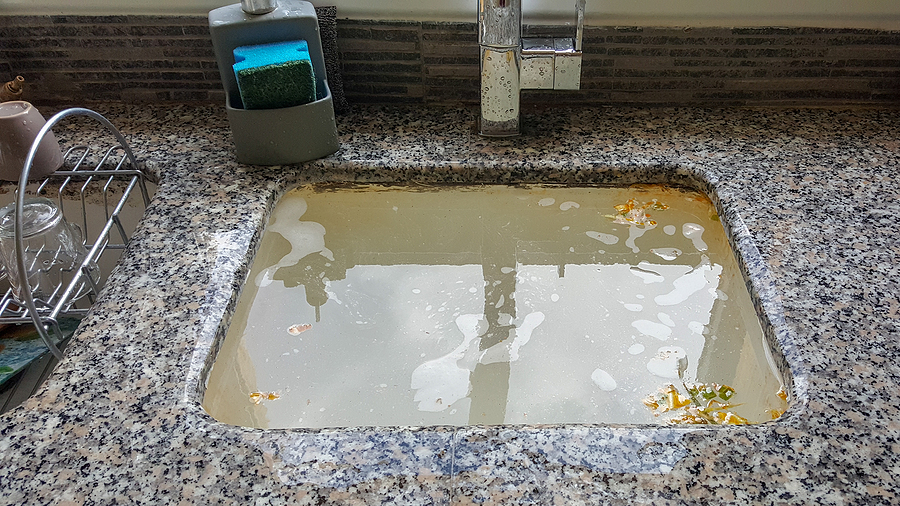
If your restaurant floor drain has been cleaned multiple times this year and keeps backing up within days or weeks, the cleaning service being applied is not solving the actual problem. Standard drain snaking removes the blockage itself but leaves its cause entirely in place. The grease, mineral scale, and biofilm coating the interior walls of your commercial drain lines are still there after every service call, creating a progressively narrowed pipe that re-clogs as soon as the next service period runs its grease and food waste through the system. Ohio Buckeye Plumbing’s commercial hydrojetting service is the solution that addresses what snaking leaves behind. We are licensed through the Ohio Construction Industry Licensing Board, hold an A+ BBB accreditation, and carry full general liability and workers’ compensation insurance. This guide explains exactly what is happening inside your commercial drain lines and what the permanent fix looks like.
What Is Actually Happening Inside Your Commercial Kitchen Drain Lines
A restaurant floor drain connects all the floor drainage in food preparation, dishwashing, and cooking areas to the building’s main drain system. It is the lowest point in the kitchen drainage network, which means it is the first location to show symptoms when the system is overloaded or narrowed. Under Ohio EPA water pollution control law, fats, oils, and grease (FOG) discharged by commercial kitchens into the sewer system are classified as pollutants for a specific reason: they do not break down in drain systems the way organic waste does. Instead, they cool on contact with the pipe walls, adhere, and build up progressively over time.
What was once a 4-inch-diameter cast-iron drain pipe may now have an effective flow diameter of 2 inches or less after years of FOG coating, mineral scale, and organic biofilm accumulation on the interior walls. At 2 inches of effective diameter, the drain can still handle normal trickle flow but backs up immediately when the dishwasher discharges, the prep sink drains, and kitchen wash-down water hits the floor simultaneously during a busy service period. That is not a new clog forming every week. It is the same narrowed pipe failing under peak load every time.
Why Repeated Drain Snaking Does Not Fix the Problem
A drain snake works by pushing a rotating cable through the blockage to create a channel. The cable punches through or breaks up the accumulated material at the obstruction point, momentarily restoring flow. What the cable does not do is contact the pipe walls. The grease coating, scale, and biofilm that built up on every interior surface over months of kitchen operation remain completely in place after snaking. Within days to weeks, the newly cleared channel closes again as the existing wall coating catches new debris and rebuilds the blockage at the same location. This is why a floor drain that has been snaked three times this month keeps clogging: the pipe is still functionally as narrow as it was before the first service call. Our blog on why drains keep clogging after being cleared covers this phenomenon in detail for both residential and commercial drain systems.
The 7 Real Causes of Floor Drain Backups in Commercial Kitchens
1. FOG Coating on Pipe Walls
Fats, oils, and grease enter the floor drain with wash water from cookware, the pot wash station, and kitchen floor wash-down. Hot FOG flows easily when the water is hot but adheres to the cooler interior pipe wall as the temperature drops inside the drain line. Each layer of FOG adhesion attracts the next layer, and over weeks and months, the coating thickens until it significantly reduces the effective pipe diameter. This is the root cause of most recurring commercial kitchen floor drain backups, and it is the condition that hydrojetting resolves by scouring the pipe walls clean.
2. Grease Trap at or Past Its Service Threshold
A grease trap that has reached 25 percent of its liquid capacity with accumulated FOG and solids, the threshold used by most Ohio municipalities and the Northeast Ohio Regional Sewer District under their FOG pretreatment programs, can no longer intercept grease effectively. Grease begins flowing past the trap directly into the downstream branch drain pipes and main lateral. If your floor drain backup correlates with your current grease trap service interval, or if the backups have been getting progressively worse since the last grease trap cleaning, increasing the grease trap service frequency may address a key contributing factor. Our blog on why grease trap maintenance alone does not protect building sewer lines covers the interaction between trap condition and downstream drain performance in detail.
3. Food Particle Accumulation in Drain Biofilm
Small food particles, particularly starches and proteins from dishwashing and plate scraping, accumulate in the biofilm layer inside drain pipes. They mix with FOG deposits to create a dense, adhesive compound that is far more resistant to standard cable clearing than a simple grease clog. Pre-scraping plates thoroughly and using appropriate drain strainers in prep sink and floor drain openings reduces food particle loading. However, in higher-volume kitchens, years of accumulated biofilm inside older drain lines may require professional hydrojetting to remove what behavioral changes alone cannot address.
4. Mineral Scale Buildup From Hard Water
Commercial kitchens run high volumes of hot water through dishwashers and pot wash stations. Over years of operation, mineral deposits from the water supply accumulate on the interior walls of drain pipes alongside the FOG buildup. Mineral scale creates a rough, porous surface that catches more grease and food particles, accelerating the buildup rate. The scale itself is extremely resistant to cable clearing and requires the mechanical scouring action of high-pressure hydrojetting to remove effectively.
5. Pipe Belly or Offset Joint
If a section of the drain line has settled and developed a low spot (pipe belly), water, grease, and debris pool in the belly rather than flowing through to the main sewer. A cable snake can clear the accumulated material from a belly temporarily, but the belly refills predictably because the physical geometry of the pipe is unchanged. Similarly, a joint that has shifted out of alignment creates an interior ledge where debris catches consistently. Neither a pipe belly nor an offset joint is visible or diagnosable without a video camera inspection, and neither can be resolved by any drain cleaning method alone.
6. Tree Root Intrusion in the Building’s Sewer Lateral
In older commercial buildings with cast iron or clay tile sewer laterals, tree root intrusion creates a fibrous root mass inside the pipe that traps grease, food particles, and debris flowing from the kitchen. Root masses form a net that progressively restricts flow and returns quickly after mechanical cutting because the root system is still alive and growing from outside the pipe. Our blog on tree roots in commercial sewer lines covers the progression from early root thread entry to structural pipe damage. For buildings where floor drain backups persist despite proper grease trap maintenance and regular cleaning, a camera inspection of the sewer lateral for root intrusion is a critical diagnostic step.
7. Drain Line Undersized for Current Kitchen Volume
Some older commercial buildings in Northeast Ohio have drain lines that were originally sized for a lower-volume kitchen and have not been upgraded as the kitchen’s output grew. A 3-inch drain serving a kitchen that has expanded seating, added dishwasher capacity, or increased its cooking volume may now be operating above its designed flow rate during peak service periods. In this scenario, even a perfectly clean pipe may back up during peak load because the pipe diameter is the limiting factor, not the buildup condition.
Warning Signs Beyond the Active Backup
- Floor drain backs up specifically during or immediately after peak service (dinner rush, large dishwasher loads, kitchen wash-down)
- Backup occurs faster and faster after each service visit, with the interval between service and the next backup shortening over time
- Gurgling or bubbling from floor drains when the dishwasher discharges or the pot wash station drains (air displacement from a partially narrowed pipe)
- Persistent sewage or sulfurous odors near floor drains between service calls, caused by organic buildup in the pipe walls
- Multiple floor drains backing up simultaneously, suggesting the main lateral or a common trunk line is the source of the restriction
- Floor drains that clear with a slow gurgle rather than draining freely, indicating reduced pipe diameter even when not actively backing up
Solutions That Actually Fix Recurring Commercial Floor Drain Backups
Professional Hydrojetting
High-pressure hydrojetting is the definitive solution for floor drain backups caused by FOG coating, mineral scale, and biofilm buildup. Our commercial hydrojetting service introduces water at pressure through a specialized rotating nozzle inserted into the drain from an access point. The water jet scours every surface of the pipe interior, removing all accumulated grease, scale, and organic material and restoring near-original flow capacity. Unlike snaking, which creates a temporary channel, hydrojetting cleans the pipe walls. The result is a drain that flows freely rather than one that tolerates a narrowed diameter. For high-volume commercial kitchens, quarterly or semi-annual hydrojetting combined with proper grease trap maintenance is the sustainable solution to recurring floor drain backups.
Video Camera Inspection First
Before committing to a repair approach, a commercial video camera sewer inspection tells you exactly what is inside the drain and lateral: grease coating extent, root presence, pipe belly, offset joint, or structural damage. This determines whether hydrojetting alone is sufficient or whether pipe repair is also needed. Ohio Buckeye Plumbing always presents customers with the camera footage before recommending any repair, so the decision is based on what the camera actually shows rather than an assumption about what the problem might be.
Grease Trap Assessment and Service Coordination
A floor drain that backs up in correlation with the current grease trap service interval may need more frequent grease trap service, a larger capacity trap, or both. Ohio Buckeye Plumbing’s commercial grease trap service evaluates whether the trap is appropriately sized for the kitchen’s current output and whether the service interval is keeping the trap below the 25 percent threshold. Coordinating grease trap and drain cleaning service through the same contractor also provides a complete service record for NEORSD FOG compliance documentation.
Scheduled Commercial Drain Maintenance Programs
Ohio Buckeye Plumbing offers commercial preventive plumbing maintenance programs that schedule hydrojetting, grease trap service, and periodic camera inspection on a calendar aligned with the kitchen’s actual output. A structured maintenance program prevents the conditions that cause floor drain backups from developing in the first place, eliminates the operational disruption of emergency drain calls during service, and provides the compliance documentation that supports grease trap compliance programs.
Ohio EPA FOG Compliance and Health Code Context for Northeast Ohio Restaurants
Under Ohio EPA water pollution control law, fats, oils, and grease discharged into the sewer system are classified as pollutants. Commercial food service establishments are required to prevent FOG from entering the municipal sewer through properly sized and maintained grease traps. NEORSD administers the FOG pretreatment program for food service establishments connected to its system in Cuyahoga County and portions of Summit and Lorain counties. Facilities that receive compliance notices from NEORSD or local health departments typically have 30 to 60 days to demonstrate corrective action before escalating enforcement. Ohio Buckeye Plumbing provides documented service records with every grease trap and hydrojetting visit to support your compliance file.
Commercial Kitchen Drain Service Throughout Northeast Ohio
Summer is peak season for the Northeast Ohio restaurant industry. Longer daylight hours, outdoor dining, and the regional spike in dining-out activity from June through September all increase kitchen volume, grease output, and drain system demand. Ohio Buckeye Plumbing serves commercial kitchens, restaurants, cafeterias, and food service facilities throughout Strongsville, Brunswick, Medina, Akron, Hudson, Rocky River, Westlake, Cleveland, and all of Northeast Ohio. Our commercial hydrojetting team responds to emergency drain calls 24/7 and schedules routine maintenance visits around your kitchen’s operating hours.
FAQs About Restaurant Floor Drain Backups in Northeast Ohio
Why does my restaurant floor drain keep backing up even after professional service?
The most common reason is that the drain service your kitchen has been receiving uses a cable snake, which punches through the blockage but does not clean the pipe walls. Grease, biofilm, and mineral scale coating the interior of the drain lines remain completely in place after snaking. Within days to weeks, debris catches on that existing wall coating and rebuilds the blockage at the same location. Hydrojetting, which uses high-pressure water to scour the pipe walls clean, is the service that addresses what snaking leaves behind. A drain that is hydrojetter properly typically stays clear significantly longer than one that is only snaked.
What is the difference between drain snaking and hydrojetting for a commercial floor drain?
A drain snake uses a rotating cable to punch a channel through the blockage, breaking it up or moving it far enough down the pipe to restore temporary flow. It does not contact the pipe walls and does not remove the grease coating, mineral scale, or biofilm that accumulated over weeks or months of kitchen operation. Hydrojetting introduces water at high pressure, typically 3,000 to 4,500 PSI for commercial applications, through a specialized rotating nozzle. The pressurized water scours the interior pipe walls completely, removing all accumulated FOG, scale, and organic debris and restoring the pipe to near-original interior diameter. The result difference is measurable: flow restored by snaking degrades within days to weeks, while flow restored by hydrojetting typically lasts months before any significant buildup returns.
How often should a restaurant get its floor drain lines professionally hydro jetted?
Frequency depends on the kitchen’s volume, menu type, and daily grease output. A high-volume full-service restaurant with heavy frying operations may benefit from quarterly hydrojetting. A lower-volume operation with primarily grilled items and lighter grease production may maintain good results with semi-annual service. The best indicator is performance: if floor drains begin showing signs of slowdown within 60 days of hydrojetting, the service interval is too long for that kitchen’s output. Ohio Buckeye Plumbing builds commercial hydrojetting maintenance programs around each kitchen’s actual grease production rather than applying a generic calendar interval.
Can a grease trap that is not properly maintained cause floor drain backups?
Yes. When a grease trap reaches or exceeds 25 percent of its total liquid capacity with accumulated FOG and solids (the 25 percent rule followed by most Ohio municipalities and NEORSD), it can no longer effectively intercept grease before it enters the downstream drain lines. Grease flows past the overloaded trap and accumulates inside the branch drain pipes and main lateral, progressively narrowing them. A floor drain that begins backing up more frequently than usual, despite no change in kitchen habits, often signals that the grease trap has been reaching its service threshold faster than the current service interval allows. Our blog on why grease trap maintenance alone does not fully protect sewer lines covers this progression in detail.
Is a floor drain backup in my restaurant a health code violation in Ohio?
A floor drain backup creates conditions that can be flagged during a health department inspection. The Ohio Revised Code and local health codes administered through county health departments require that food service establishments maintain sanitary drainage, and a backing up or overflowing floor drain in a food preparation or dishwashing area creates a sanitation concern that inspectors are likely to note. Beyond code compliance, a floor drain backing up during service hours creates unsanitary work conditions that put staff and customers at risk and can interrupt operations. Addressing recurring floor drain issues proactively protects the business from both health code and operational consequences.
What is the 25 percent rule for grease traps and how does it relate to floor drain backups?
The 25 percent rule is the standard maintenance threshold for commercial grease traps used by most Ohio municipalities and the Northeast Ohio Regional Sewer District (NEORSD) under their FOG pretreatment programs. It requires that a grease trap be pumped and cleaned when the combined depth of floating FOG and settled solids reaches 25 percent of the trap’s total liquid capacity. When grease traps are not serviced at this threshold, the trap’s ability to intercept FOG drops sharply, and grease begins flowing into the downstream drain lines. The buildup in those drain lines is what causes the progressive narrowing that results in floor drain backups that get worse over time.
Can tree roots cause floor drain backup in an older commercial building?
Yes. In older commercial buildings with cast iron or clay tile sewer laterals, tree root intrusion creates a network of fibrous root tissue inside the pipe that catches grease, food particles, and other debris flowing from the kitchen. Root masses form a trap that progressively restricts flow. In buildings where floor drains back up despite regular cleaning and a properly serviced grease trap, a video camera sewer inspection may reveal that root intrusion in the building’s sewer lateral is the underlying cause. Our blog on tree roots in commercial sewer lines covers how this type of damage progresses and the right approach for each stage of intrusion.
What is the fastest way to restore flow to a backed-up floor drain during restaurant service hours?
Call Ohio Buckeye Plumbing at (440) 283-9377 for commercial emergency drain service. Our team responds throughout Northeast Ohio on a 24/7 basis. For an active backup during service hours, the fastest immediate relief is typically professional snaking to clear the active blockage and restore flow while the kitchen operates. A follow-up hydrojetting visit should be scheduled as soon as practical after service to clean the pipe walls and provide lasting results. Emergency drain clearing is a temporary measure; hydrojetting after the emergency addresses the cause.
Can Ohio Buckeye Plumbing service commercial kitchen drains without shutting down the restaurant?
In most cases, yes. Ohio Buckeye Plumbing schedules commercial hydrojetting and drain cleaning service around restaurant operating hours. We can typically work before the kitchen opens, after service closes, or during a quiet period between meal services. For larger diameter main lateral hydrojetting that requires temporary access to specific drain entry points, we work with the kitchen manager or facility contact to coordinate the most operationally minimal access windows. Our goal is to complete commercial drain service with as little disruption to daily operations as possible.
How long do hydrojetting results last in a commercial kitchen environment?
In a well-managed commercial kitchen where the grease trap is serviced at or before the 25 percent threshold and kitchen staff follow reasonable FOG management practices (scraping plates, not pouring grease down drains), a professional hydrojetting service from Ohio Buckeye Plumbing typically provides 3 to 6 months of clear drainage before any meaningful buildup returns. Very high-volume operations with heavy daily grease production may see shorter intervals. Operations where grease trap compliance is poor or staff practices contribute heavily to FOG loading will see faster buildup recurrence. Ohio Buckeye Plumbing tracks service history for commercial clients and recommends interval adjustments based on real-world performance at each location.
The floor drains gurgle when the dishwasher runs even when they are not backing up. Is that related?
Yes. Gurgling from floor drains when the dishwasher discharges is a symptom of partial restriction in the drain lines between the dishwasher and the floor drain’s connection to the main system. The dishwasher discharges a high volume of water rapidly, and if the downstream drain is partially narrowed by grease buildup or scale, the displaced air in the partially blocked pipe escapes through the nearest open point, which is usually the floor drain. Gurgling is a leading indicator of a drain line heading toward active backup. Scheduling a hydrojetting service at this stage prevents the floor drain from backing up during a dinner rush rather than treating it after it already has.
How do I know if my floor drain problem is a pipe belly versus grease buildup?
The distinction requires a video camera sewer inspection. Grease buildup presents on the camera as a thick coating on the pipe walls that progressively narrows the interior, sometimes with a distinct waxy or dark-colored accumulation visible on all surfaces. A pipe belly appears as a visible low spot in the pipe where water and debris pool because the pipe sags below its designed slope. Hydrojetting is the right solution for grease buildup. A pipe belly requires structural repair: trenchless pipe relining to restore the interior profile, or excavation and replacement of the sagging section. A camera inspection before committing to a repair approach ensures the right fix is applied.
Does NEORSD have FOG program requirements that apply to my restaurant?
Yes. The Northeast Ohio Regional Sewer District administers an active FOG pretreatment program for food service establishments connected to its sewer system, which covers most of Cuyahoga County and portions of Summit and Lorain counties. The program requires food service establishments to install properly sized grease control devices, maintain them per the district’s requirements (which reference the 25 percent rule), and retain service records that can be reviewed during inspections. Facilities in violation of FOG requirements may receive compliance notices, fines, or requirements to upgrade their grease control equipment. Ohio Buckeye Plumbing provides service documentation after every grease trap and drain cleaning visit.
Does Ohio Buckeye Plumbing offer commercial kitchen drain maintenance programs?
Yes. Ohio Buckeye Plumbing offers structured commercial preventive maintenance programs for food service establishments in Northeast Ohio that want to prevent drain emergencies rather than react to them. Programs are built around each kitchen’s actual grease output and service history, and include scheduled hydrojetting, grease trap service coordination, and video camera inspection checkpoints. A maintenance agreement eliminates the need to schedule individual service calls and provides a documented service record for FOG compliance purposes. Contact Ohio Buckeye Plumbing at (440) 283-9377 to discuss a program tailored to your operation.
How do I schedule commercial hydrojetting for my Northeast Ohio restaurant?
Call Ohio Buckeye Plumbing at (440) 283-9377 or submit a service request online at ohiobuckeyeplumbing.com. We serve restaurants, food service facilities, cafeterias, and commercial kitchens throughout Northeast Ohio including Strongsville, Brunswick, Medina, Akron, Hudson, Rocky River, Westlake, and the greater Cleveland area. Emergency drain service is available 24/7. Scheduled hydrojetting and maintenance program visits are coordinated around your kitchen’s operating hours. Every commercial service call includes a post-service report and recommendations for service interval and any additional work identified during the visit.
When to Call Ohio Buckeye Plumbing for Commercial Kitchen Drain Service
Ohio Buckeye Plumbing’s commercial plumbing team brings the hydrojetting equipment, camera inspection capability, and grease trap service expertise to address floor drain backups at every stage: emergency clearing during service hours, diagnostic camera inspection to identify the specific cause, professional hydrojetting to clean pipe walls rather than just clear the obstruction, and structured maintenance programs to prevent recurrence. We are licensed through the Ohio Construction Industry Licensing Board, carry full insurance, and hold an A+ BBB accreditation. Read customer reviews on Google, Angi, and HomeAdvisor before scheduling.
Schedule Commercial Hydrojetting or Emergency Drain Service in Northeast Ohio
Ohio Buckeye Plumbing is BBB-accredited, licensed through Ohio OCILB, and fully insured for commercial kitchen drain service throughout Northeast Ohio. If your restaurant floor drain keeps backing up despite regular cleaning, the pipe walls need to be cleaned, not just cleared. Call (440) 283-9377 for emergency drain service or to schedule hydrojetting around your kitchen’s operating hours. We are available 24/7 and back every commercial service with a 100% satisfaction guarantee.