


Vactor Truck vs. Vacuum Truck vs. Hydro Excavator: Which Service Do You Need?
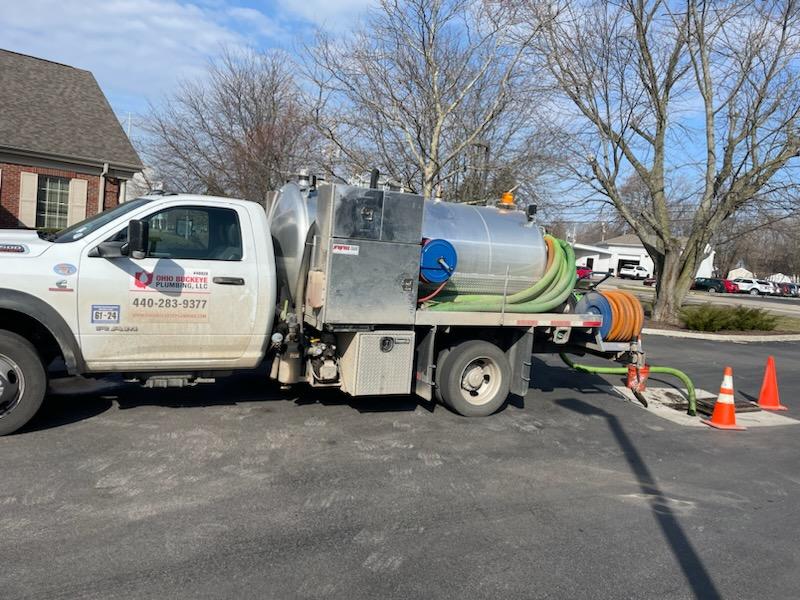
A vacuum truck pumps liquids and sludge out of tanks and pits, a vactor truck adds high-pressure water jetting to that vacuum so it can clean catch basins, storm drains, and trench drains, and a hydro excavator uses pressurized water and vacuum to dig around buried utilities. In everyday use, the names overlap, which is why searches for vac truck services return septic pumpers, storm drain crews, and excavation contractors all at once. The right choice depends on the job, not the label on the truck. Ohio Buckeye Plumbing provides vactor truck services for homes, businesses, HOAs, and municipalities across Northeast Ohio. Our team is licensed through the Ohio Construction Industry Licensing Board (OCILB), fully insured, and holds an A+ accreditation with the Better Business Bureau, with verified reviews on Google, Angi, and HomeAdvisor. This guide explains what each truck does, how to match your problem to the right service, and what to expect when the truck arrives. Call (440) 283-9377 if you would rather describe the problem and let us sort it out.
The short version:
- Vacuum truck: best for pumping septic tanks, grease interceptors, holding tanks, and pits.
- Vactor (jet-vac) truck: best for cleaning packed catch basins, storm drains, trench drains, and drain structures, where jetting and vacuum work together.
- Hydro excavator: best for digging safely around buried utilities, and usually an excavation contractor’s tool.
- Drain snakes and hydro-jetters: best for clogs inside building drain lines, not for tanks or basins.
- If you are unsure, describe the symptom and the location instead of naming a truck.
What Each Truck Actually Does
Vacuum Truck (Vac Truck)
A vacuum truck is a tank truck with a vacuum pump. The pump pulls liquids, sludge, and sometimes loose solids through a hose into the tank, and the load is hauled to an approved disposal facility. The core job is removal: emptying a septic tank, pumping a grease interceptor, drawing down a holding tank or car wash pit, or recovering sludge from an industrial separator.
A basic vac truck does not necessarily carry high-pressure water. It works best when the material is loose enough to flow into the hose, and it has more trouble when silt, sand, or grease has hardened in place.
Vactor Truck (Jet-Vac or Combination Sewer Cleaner)
Vactor began as a brand name. Vactor Manufacturing, a Federal Signal company based in Streator, Illinois, built sewer and catch basin cleaners, and its company history describes combination jetting and vacuum units dating to 1969. Over the decades, the name became shorthand for any truck that combines the two functions, which is why you also hear jet-vac, combination sewer cleaner, and vac-con.
On a vactor truck, high-pressure water jets loosen and flush hardened silt, sand, leaves, and grease, and the vacuum system lifts the slurry into the debris tank. Telescoping vacuum booms and flexible hose systems reach structures that a standard tank truck cannot, which makes the jet-vac combination the usual tool for catch basins, storm drains, trench drains, and drain structures packed with debris.
Hydro Excavator (Hydrovac)
A hydro excavator is built for digging, not cleaning. It uses pressurized water or air to break up soil and the vacuum system to lift the spoil into a debris tank. That lets crews expose buried gas, water, electric, and communication lines with far less risk of striking them than a backhoe. OSHA addressed hydro-vacuum excavation in a standard interpretation, saying it can be an acceptable way to uncover buried utilities when the equipment is adjusted so it will not damage them.
Utility contractors, excavation firms, and municipalities typically run these machines. Any digging in Ohio, including hand digging, starts with a call to 811, and OHIO811 asks for at least two working days of notice before work begins.
Where Drain Snakes and Hydro-Jetters Fit
Two related tools often get lumped in with the trucks. A drain snake, or cable machine, cuts or pulls an obstruction out of a pipe. A hydro-jetter sends high-pressure water through a hose and nozzle to scour the inside of a line. Both are the usual tools for clogs inside building drain lines, and neither replaces pumping a tank or clearing a full catch basin. Our guide to snaking vs. hydro-jetting explains how to choose between them, and our rooter and drain service covers residential clogs.
Vactor vs. Vacuum Truck vs. Hydro Excavator: Side-by-Side
| Feature | Vacuum truck | Vactor (jet-vac) truck | Hydro excavator |
|---|---|---|---|
| Main job | Remove liquids and sludge | Jet and vacuum debris out of structures and lines | Dig soil around buried utilities |
| Water jetting | Not always equipped | Yes, high-pressure water | Yes, water or air to break up soil |
| Vacuum and debris tank | Yes | Yes | Yes |
| Typical jobs | Septic pumping, grease interceptors, holding tanks, pits | Catch basins, storm drains, trench drains, drain structures | Potholing, slot trenching, exposing utilities |
| Usually run by | Septic haulers, plumbers, industrial cleaners | Plumbers, drain contractors, municipal crews | Excavation and utility contractors |
| Call this one when | A tank, pit, or interceptor needs emptying | A basin, drain, or structure is packed and will not flow | You must dig near buried lines |
Why People Choose the Wrong Service
Most mix-ups come from the same few sources:
- Brand names became generic words. Vactor, vac-con, jet-vac, and combo truck are used interchangeably, so one provider’s “vactor service” may be another provider’s “vac truck service.”
- Equipment overlaps. Many trucks can vacuum, some can also jet, and hydro excavators share the same vacuum system, so an equipment list alone does not tell you what the crew is set up to do.
- Providers use different terms for the same job. Catch basin cleaning, storm drain cleaning, and drain vacuum service often describe the same visit.
- Symptoms look alike. Water standing in a yard might come from a full catch basin, a damaged storm line, or a failing downspout connection, and each needs a different fix.
- Bigger is not always better. A large truck may not reach a backyard basin, while a unit with a telescoping boom and long hose can.
Signs You Need Vacuum Truck or Vactor Service
Septic Systems and Holding Tanks
- Slow drains throughout the home, not just at one fixture.
- Drains or toilets that gurgle.
- Sewage odors in the yard or near the tank lid.
- Wet or unusually green areas over the tank or drain field.
- A tank that has not been pumped in several years.
Catch Basins, Storm Drains, and Trench Drains
- Water standing around a grate for hours after rain.
- A basin visibly filled with silt, leaves, and trash.
- Water backing up at downspout connections or low spots in a yard or lot.
- A foul odor coming from a basin or trench drain.
Grease Interceptors, Car Wash Pits, and Separators
- Slow kitchen drains and grease odors.
- An interceptor or pit that is overdue for service.
- Sludge or sand building up near overflows and pit outlets.
- A notice from your municipality about grease or discharge requirements.
Many of these signs are common and manageable when addressed early. A scheduled service is usually simpler than waiting for an overflow or backup, and our article on storm drains that overflow after rain explains what to check first.
What a Property Owner Can Handle and What Needs a Crew
Reasonable owner tasks:
- Keep grates and downspout connections clear of leaves by scooping from the surface with gloves.
- Know where tanks, lids, basins, and cleanouts are, and mark them on a simple site sketch.
- Keep heavy vehicles off tanks and drain fields.
- Schedule seasonal service instead of waiting for a backup.
Work that belongs with a trained crew:
- Any entry into tanks, vaults, or deep basins. OSHA’s confined spaces guidance lists tanks, vaults, pits, and manholes among examples and describes hazards such as unsafe air and engulfment. Entry is for trained crews only.
- Waste transport and disposal. Waste must be transported to an approved facility, which a vac truck crew arranges as part of the job.
- High-pressure jetting. Pressure that cleans a structure can also injure a person or damage a pipe when used incorrectly.
- Anything that involves digging. Call 811 first and use an excavation contractor.
How to Choose the Right Service: Four Questions
- What is the material? Liquid and sludge point to a vacuum truck. Hardened silt, sand, grease, or packed leaves point to a jet-vac. Soil points to a hydro excavator.
- Where is it? Inside a tank or pit, inside a buried drain structure, or in the ground around utilities.
- Does it need jetting? If debris has set up, vacuum alone will not clear it, and the jetting step is what makes a vactor truck effective.
- Is digging involved? If so, the job belongs to an excavation contractor, and 811 comes first.
Use this table to match common situations to the right equipment and service:
| Situation | Right equipment | Related Ohio Buckeye service |
|---|---|---|
| Septic tank is due for pumping | Vacuum truck | Residential or commercial septic tank pumping |
| Catch basin or yard storm drain packed with silt and leaves | Vactor (jet-vac) truck | Catch basin and storm drain cleaning |
| Restaurant grease interceptor is overdue | Vacuum truck, with jetting to clean walls | Grease interceptor pumping |
| Car wash pit or trench drain overflows | Vactor or vac truck | Car wash pit and trench drain cleaning |
| Oil and water separator or industrial holding tank needs cleaning | Vacuum truck | Industrial sludge and separator cleaning |
| HOA or municipal storm structures need routine cleaning | Vactor truck | Municipal and HOA storm drain maintenance |
| A buried gas, water, or electric line must be exposed for a repair | Hydro excavator | Excavation contractor, after calling 811 |
| Kitchen, bath, or floor drain clogs inside a building | Drain snake or hydro-jetter | Rooter and drain cleaning |
If a cleaning raises questions about the condition of a line or structure, a video camera sewer inspection shows what the truck cannot, and our residential sewer line service covers repair options. Our article on why grease trap maintenance alone does not protect building sewer lines explains why interceptor pumping works best alongside line cleaning, and our guide to FOG compliance for Northeast Ohio restaurants covers the municipal side.
What Happens During a Vactor Truck Service
- Site review. We locate the structure, check access for the truck and hose, and talk through what you have noticed.
- Safety setup. We position the truck, protect the work area, and set up barriers or cones where needed.
- Extraction. Jetting breaks up hardened material before the vacuum lifts it out. A catch basin typically takes 45 minutes to 2 hours, a standard residential septic pump-out typically takes 1 to 2 hours, and industrial jobs can take several hours.
- Inspection where applicable. Once the structure is empty, we look at its condition and the outlet lines, and tell you what we see.
- Site cleanup. We leave the work area clean.
- Waste transport. Material is hauled to an Ohio EPA-approved facility.
For overflowing structures or backups that cannot wait, our team provides 24/7 commercial emergency plumbing response, and our guide to what to do in a plumbing emergency covers the first steps while you wait.
Northeast Ohio Context: Leaf Drop, Freeze-Thaw, and Who Owns the Structure
The regional calendar drives vactor work. Leaves fill catch basins and downspout drains from October into November, so cleaning after leaf drop and before the first freeze keeps ice from locking debris in place, and the spring thaw and heavy rain then test every basin again. Our guideline is annual cleaning for most commercial properties, with residential timing depending on tree cover, grading, and past problems.
Who owns the structure matters. Municipal storm sewers belong to the city or county, while private yard drains, on-site catch basins, and HOA-maintained structures belong to the owner. The Northeast Ohio Regional Sewer District’s service area covers Cleveland and many of its suburbs, and responsibilities differ by community, so confirm whether a structure is public or private before you call. Storm drain cleaning searches are especially active in Fairview Park and North Olmsted, where older neighborhoods and mature trees keep drain structures busy.
Outside the sewered core, many homes in the outer suburbs and rural townships rely on septic systems, and we suggest a 3 to 5 year pump schedule as a starting point. Commercial properties such as restaurants, car washes, parking facilities, and office parks in Strongsville, Cleveland, and across the region depend on interceptors, pits, and trench drains that need regular service. Disposal follows Ohio EPA requirements, and we handle non-hazardous work only.
Why Northeast Ohio Property Owners Choose Ohio Buckeye Plumbing
| What We Offer | What It Means for You |
|---|---|
| Licensed by Ohio OCILB | State-certified plumbing expertise on every residential and commercial job |
| Fully Insured: General Liability + Workers Compensation | Zero liability on your property if anything goes wrong |
| BBB Accredited, A+ Rating | Third-party verified track record of customer satisfaction |
| 24/7 Emergency Service | We respond at any hour for septic backups, overwhelmed catch basins, and urgent situations |
| 20+ Years Serving Northeast Ohio | Deep local knowledge of infrastructure, codes, and permit processes |
| Family-Owned Local Business | You are treated like a neighbor, not a service ticket |
| Jet-Vac Equipment With Telescoping Booms | Reaches basins, tanks, and structures without excavation |
| Waste Hauled to Ohio EPA-Approved Facilities | Responsible disposal of every load |
| Upfront Pricing Before Any Work Begins | No surprise charges when the invoice arrives |
| 100% Satisfaction Guarantee | We stand behind every repair and installation we complete |
Read verified reviews on Google, Angi, and HomeAdvisor before you call.
Frequently Asked Questions: Vactor Truck, Vacuum Truck, and Hydro Excavator Services
What is the difference between a vactor truck and a vacuum truck?
A vacuum truck is a tank truck with a vacuum pump that removes liquids and sludge. A vactor truck is a combination unit that adds high-pressure water jetting to the vacuum, so it can loosen hardened debris and lift it out in one visit. For a septic tank or interceptor that needs emptying, a vacuum truck often fits. For a catch basin, storm drain, or trench drain packed with silt and leaves, the jet-vac combination is the better match.
Is vactor a brand name or a type of truck?
Both. Vactor Manufacturing, a Federal Signal company in Streator, Illinois, builds sewer and catch basin cleaners, and its company history describes combination jetting and vacuum units dating to 1969. The name has since become shorthand for any truck that combines jetting and vacuum, regardless of manufacturer, which is why you also hear jet-vac, combination sewer cleaner, and vac-con.
Does a vactor truck dig like a hydro excavator?
No. A vactor truck cleans: it jets and vacuums debris out of tanks, basins, pits, and pipes. A hydro excavator uses pressurized water or air to break up soil and vacuums the spoil so crews can expose buried utilities. The two share a vacuum system, which is why people confuse them, but their jobs are different. Any digging, including hand digging, starts with a call to 811.
Does Ohio Buckeye Plumbing offer hydro excavation?
Our vactor truck service focuses on cleaning and pumping: septic tank pumping, catch basin and storm drain cleaning, grease interceptor pumping, industrial sludge and separator cleaning, and car wash pit and trench drain cleaning. Hydro excavation for exposing buried utilities is a separate specialty usually handled by excavation and utility contractors. If a plumbing repair needs digging near buried lines, tell us about the site and we will plan the plumbing work around your excavation contractor.
Which service do I need for a clogged catch basin or yard storm drain?
A vactor, or jet-vac, truck. Water jets loosen packed silt, sand, and leaves, and the vacuum lifts the slurry out of the basin without excavation. If the basin drains normally after cleaning, the problem was buildup. If water still backs up, the outlet line may be blocked or damaged, and a camera inspection can show which.
Which service do I need to pump a septic tank?
A vacuum truck pumps the tank. Ohio Buckeye Plumbing’s guideline is a 3 to 5 year pump schedule as a starting point, adjusted for household size, tank size, and past performance. Slow drains throughout the house, gurgling, and sewage odors in the yard are signs a tank may be due sooner.
Can a vactor truck clear a clogged drain inside my home?
A drain snake or hydro-jetter is usually the right first tool for a clog inside a building’s drain lines. A vactor truck is the better choice when the problem is a structure or large line packed with debris, such as a catch basin, storm line, or trench drain, or when material must be removed rather than flushed along. Describe the symptom and where water is backing up, and we will recommend the right tool.
How often should catch basins and storm drains be cleaned?
Our guideline is annual cleaning for most commercial properties in Northeast Ohio. Homes and HOAs vary with tree cover, grading, and how often a basin has overflowed in the past. A practical rhythm is a cleaning after fall leaf drop and a check after the spring thaw.
How long does a vactor truck service take?
A catch basin typically takes 45 minutes to 2 hours, a standard residential septic pump-out typically takes 1 to 2 hours, and industrial jobs can take several hours. Access, the amount of material, and how hardened it is all affect the time on site.
How should I prepare for a vactor truck visit?
Clear a path for the truck and hose, mark the location of tank lids, basins, and cleanouts, and move vehicles and equipment out of the way. Tell the technician about symptoms you have noticed, such as slow drains, odors, or standing water, and about any past repairs. Keep children and pets away from the work area.
Is it safe to open a septic lid or catch basin grate myself?
Leave it to the crew. Grates and lids are heavy, and tanks, vaults, and pits can be confined spaces. OSHA lists tanks, vaults, pits, and manholes among its confined-space examples and describes hazards such as unsafe air and engulfment. Never climb into one, even to retrieve a dropped item.
Where does the waste go after the truck leaves?
Material is hauled to an Ohio EPA-approved facility. Ohio Buckeye Plumbing performs non-hazardous work only and refers hazardous material to contractors licensed to handle it.
Do I need to call 811 before vactor truck cleaning?
A cleaning through an existing lid or grate does not involve digging, so it does not usually trigger a call. Any repair that involves digging does. OHIO811 asks for at least two working days of notice before digging, including hand digging, and you reach it by dialing 811. Hydro excavation always falls under that notice.
Do you serve commercial properties, HOAs, and municipalities?
Yes. Our vactor truck service covers homes on septic systems, restaurants, parking facilities, car washes, office parks, manufacturers with holding tanks and separators, construction sites, and municipalities, HOAs, and property management companies with storm drain infrastructure. Emergency response is available 24/7 for situations such as septic backups and catch basins overwhelmed during a storm.
How do I schedule vactor truck service with Ohio Buckeye Plumbing?
Call (440) 283-9377 or request service online. Tell us what you are dealing with and where, and we will recommend the right service and schedule it, including 24/7 emergency response. We are licensed through Ohio OCILB, fully insured, and BBB accredited with an A+ rating, and every job is backed by our 100% satisfaction guarantee.
When to Call Ohio Buckeye Plumbing for Vactor Truck Service
Call when a septic tank is due for pumping, a catch basin or yard drain will not drain, a grease interceptor or pit is overdue, or you are not sure which service fits. Ohio Buckeye Plumbing is licensed through the Ohio Construction Industry Licensing Board, fully insured for general liability and workers’ compensation, and BBB accredited with an A+ rating. We serve homes, businesses, HOAs, and municipalities across Strongsville and Northeast Ohio, with 24/7 emergency response for backups and overwhelmed drain structures.
Schedule Vactor Truck Service in Northeast Ohio
Ohio Buckeye Plumbing is a family-owned team with more than 20 years of experience, OCILB licensing, full insurance, and a 100% satisfaction guarantee. Call (440) 283-9377 to describe your septic, storm drain, or grease interceptor problem and book the right vactor truck service, day or night.